

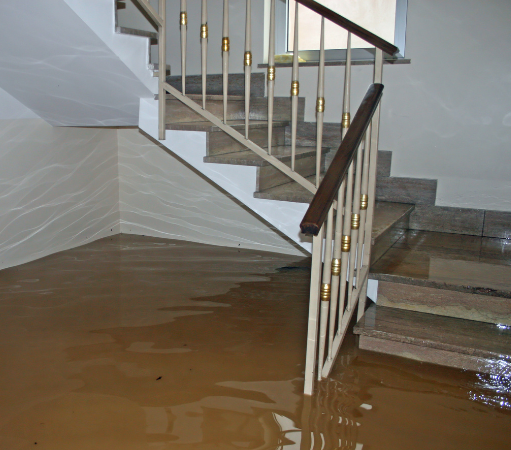
A flooded basement is never just “a little water.” What starts as a small puddle can quickly turn into soaked flooring, damaged walls, and hidden moisture working its way into your home’s structure. Whether it’s caused by heavy rain, melting snow, a failed sump pump, a sewer backup, or a burst pipe, water moves fast and spreads even faster once it gets inside.
The real concern is what happens next. Moisture can settle behind walls, under flooring, and into insulation, creating the perfect conditions for mold growth in as little as 24 to 48 hours. It can also impact indoor air quality and put stress on your home’s foundation if not handled properly.
Here in Northeast Ohio, where lake-effect storms, freezing winters, and sudden thaws are part of the climate, basement flooding is something many homeowners deal with at some point. Knowing what to do in those first few hours can make a big difference in how much damage your home takes.
In this guide, you’ll learn practical, safe steps to handle a flooded basement, what to avoid, and when it’s time to bring in professional help from Bee Dry Restoration of Cleveland to fully dry, clean, and restore your space.
Quick Action Steps for a Flooded Basement
If your basement floods, follow these steps in order:
- Prioritize safety. Do not enter standing water if electrical systems may be energized. Shut off power from a dry location or call an electrician.
- Stop the water source. Shut off the main water valve for plumbing leaks. Check sump pump power and discharge lines. Avoid contact if sewage is involved.
- Document damage. Take photos and videos before moving anything for insurance purposes.
- Remove water gradually. Pump water out slowly to prevent structural damage from pressure differences.
- Clean and dry thoroughly. Disinfect properly and use dehumidifiers and air movers to prevent mold.
Acting quickly reduces long-term structural damage and health risks.
Step 1: Make Safety the First Priority
Standing water and electricity are a deadly combination. If outlets, appliances, or wiring may be submerged, do not step into the water. Shut off electricity from the breaker panel only if you can reach it safely without entering water. If not, call a licensed electrician.
If you smell gas, leave immediately and contact your utility provider.
Wear protective gear before entering a flooded basement:
- Rubber boots
- Heavy gloves
- N95 respirator
- Eye protection
- Long sleeves and pants
Floodwater may contain bacteria, chemicals, or sewage contamination. Avoid direct skin contact whenever possible.
Step 2: Identify and Stop the Source
The cause of the flooding determines your next move.
Common causes include:
- Burst or leaking pipes
- Failed water heater
- Clogged sump pump
- Sewer line backup
- Foundation seepage from heavy rain
For plumbing failures, shut off the main water supply immediately.
For sump pump issues, check the breaker, clear debris from the pit, and inspect the discharge pipe for blockages.
If the water appears contaminated with sewage, do not attempt DIY cleanup. Raw sewage requires professional remediation due to health hazards.
Step 3: Document Everything for Insurance
Before removing items, photograph:
- Water levels on walls
- Damaged flooring
- Furniture and appliances
- Structural cracks
- Personal belongings
Keep receipts for cleanup supplies, disposal costs, and temporary repairs.
Many homeowners are surprised to learn that standard insurance policies do not always cover flood damage. Separate flood insurance policies are often required. Contact your insurer immediately to understand your coverage and next steps.
Step 4: Remove Standing Water Carefully
It may seem logical to pump water out as fast as possible. However, draining a basement too quickly can cause foundation walls to crack or collapse due to external water pressure.
If exterior floodwaters are still present:
- Pump water out gradually.
- Stop pumping when interior and exterior water levels equalize.
- Continue slowly until fully drained.
Use:
- Sump pump
- Submersible pump
- Wet/dry vacuum for smaller amounts
Never use gasoline-powered pumps indoors due to carbon monoxide risk.
Step 5: Remove Mud and Damaged Materials
Once standing water is gone:
- Shovel out mud and debris.
- Remove saturated drywall, insulation, carpet padding, and upholstered furniture.
- Dispose of porous materials that cannot be completely dried.
Items typically salvageable:
- Metal furniture
- Glass items
- Hard plastics
- Solid wood furniture (if dried properly)
Porous materials like insulation and particleboard are rarely salvageable after significant flooding.
Step 6: Clean and Disinfect Properly
Effective cleaning involves two stages:
1. Physical Cleaning
Use detergent and clean water to remove dirt and contaminants first.
2. Disinfection
Apply an EPA-approved disinfectant to non-porous surfaces only after cleaning.
Important safety rules:
- Never mix bleach with other chemicals.
- Follow product label dilution and contact time instructions.
- Ventilate the area during cleaning.
Bleach solutions can be used on concrete surfaces but should not be applied to porous materials like unfinished wood.
Step 7: Dry the Basement Completely
Drying is the most critical step in preventing mold growth.
Use:
- Commercial-grade dehumidifiers
- High-velocity air movers
- Open windows when outdoor humidity is low
- HVAC system only if it has not been contaminated
Drying can take several days to weeks depending on moisture levels.
Do not:
- Install new drywall
- Replace flooring
- Paint surfaces
Until moisture readings confirm the structure is completely dry.
Mold can begin forming within 24 to 48 hours. Proper structural drying is essential.
When to Call Professional Flood Damage Cleanup Services
DIY cleanup is not always safe or effective.
Call Bee Dry Restoration of Cleveland if:
- Electrical systems are compromised
- Sewage contamination is present
- Water covers large areas
- Drywall and insulation are saturated
- Mold is visible
- Sump pump failure caused repeated flooding
Professional flood damage cleanup services include:
- Industrial water extraction
- Structural drying
- Moisture detection
- Mold remediation
- Sanitization
- Full reconstruction
- Insurance claim assistance
Bee Dry Restoration of Cleveland provides 24/7 emergency response throughout Mentor, Cleveland, Eastlake, Willoughby, and surrounding communities.
Preventing Future Basement Flooding
Prevention reduces risk and long-term costs.
Maintain Gutters and Drainage
- Clean gutters regularly
- Extend downspouts away from foundation
- Ensure soil slopes away from the house
Test Your Sump Pump
- Test quarterly
- Install battery backup
- Inspect discharge lines
- Consider water-powered backup systems
Install Backflow Prevention
A backwater valve prevents sewer lines from reversing into your basement during heavy storms.
Upgrade Basement Materials
Use water-resistant materials:
- Tile instead of carpet
- Cement board instead of standard drywall
- Metal shelving instead of wood
Consider Flood Insurance
Flood damage is often excluded from standard homeowner policies. Separate flood insurance may be necessary even outside high-risk zones.
Why Choose Bee Dry Restoration of Cleveland
Bee Dry Restoration of Cleveland specializes in flood damage cleanup services for residential and commercial properties. Our certified technicians use advanced water extraction equipment, moisture mapping technology, and structural drying systems to restore properties safely and efficiently.
We understand Northeast Ohio weather patterns and construction styles, which allows us to respond faster and restore smarter.
If your basement floods, do not wait. The first 24 hours matter most.
FAQs
Water should be removed gradually. Pumping too quickly can damage foundation walls due to pressure differences.
Drying can take several days to weeks depending on moisture levels. Professional dehumidifiers and air movers speed up the process.
Minor clean water leaks may be manageable. Sewage backups, electrical hazards, and large floods require professional flood damage cleanup services.
Mold can begin growing within 24 to 48 hours in damp conditions if materials are not properly dried.
If drywall is saturated, it typically needs removal to prevent hidden mold growth and structural damage.
Standard policies often exclude flood damage. Separate flood insurance may be required depending on the cause.


