Snowstorms get the blame, but snow thawing is when plumbing problems actually start.
As temperatures rise, water begins flowing again through pipes that have been frozen, stressed, or partially blocked for days or weeks. That transition from frozen to flowing water is where hidden damage reveals itself. Leaks appear. Pressure changes occur. Water starts showing up in places it never did during the storm.
At Bee Dry Restoration of Cleveland, we see the same pattern every thaw season. Homes and commercial buildings that survived winter without obvious issues suddenly develop plumbing leaks, water damage, and moisture problems once snow begins to melt.
Understanding how snow thawing affects plumbing systems helps explain why these issues appear late and why early action matters.

How Does Snow Thawing Cause Plumbing Problems?
Snow thawing causes plumbing problems when frozen or stressed pipes begin flowing again, revealing cracks, joint failures, and pressure issues that lead to leaks and hidden water damage.
Why Plumbing Problems Often Start After Snow Melts
Frozen pipes rarely fail at the exact moment they freeze. Most damage happens silently while water is immobile. When temperatures rise and water pressure returns, weakened sections finally give way.
Snow thawing also changes water flow patterns. Meltwater increases demand on drainage systems, sump pumps, and sewer lines. Soil saturation around foundations can stress underground plumbing. Together, these conditions expose weaknesses that were already there.
This is why plumbing problems often appear days after the snow is gone.
Burst Pipes That Do Not Fully Burst
Not all frozen pipes explode. Many develop hairline cracks or weakened joints.
When water begins flowing again:
- Small cracks start leaking slowly
- Joints separate under pressure
- Pipes drip behind walls or under floors
These leaks are easy to miss at first. Water may spread inside walls or ceilings long before stains or odors appear.
Pipe Joint Failures After Freeze Stress
Plumbing systems rely on tight connections. During freezing temperatures, pipes expand and contract. This movement puts stress on fittings, joints, and valves.
Once snow thaws:
- Joints may loosen
- Compression fittings may fail
- Older plumbing materials may crack
Joint failures often cause slow leaks that worsen over time rather than immediate flooding.
Underground Plumbing and Soil Saturation
Snow melt saturates the ground around foundations. As soil becomes waterlogged, pressure increases around underground plumbing lines.
This can lead to:
- Shifting pipes
- Cracked sewer lines
- Compromised drain connections
Because these pipes are underground, damage often goes unnoticed until backups, odors, or water intrusion occur.
Sewer Line and Drain Problems After Snow Thawing
Snow melt increases the volume of water entering sewer and drainage systems. If lines are already partially blocked or damaged, thawing snow can overwhelm them.
Common signs include:
- Slow drains throughout the home
- Gurgling sounds
- Sewer odors indoors
- Basement drain backups
Tree roots, aging pipes, and freeze damage often combine to create these issues during thaw periods.
Sump Pump Failures During Thaw Season
Sump pumps work hardest when snow melts. As groundwater levels rise, pumps cycle more frequently.
Problems occur when:
- Pumps fail due to overuse
- Discharge lines freeze or clog
- Power interruptions occur
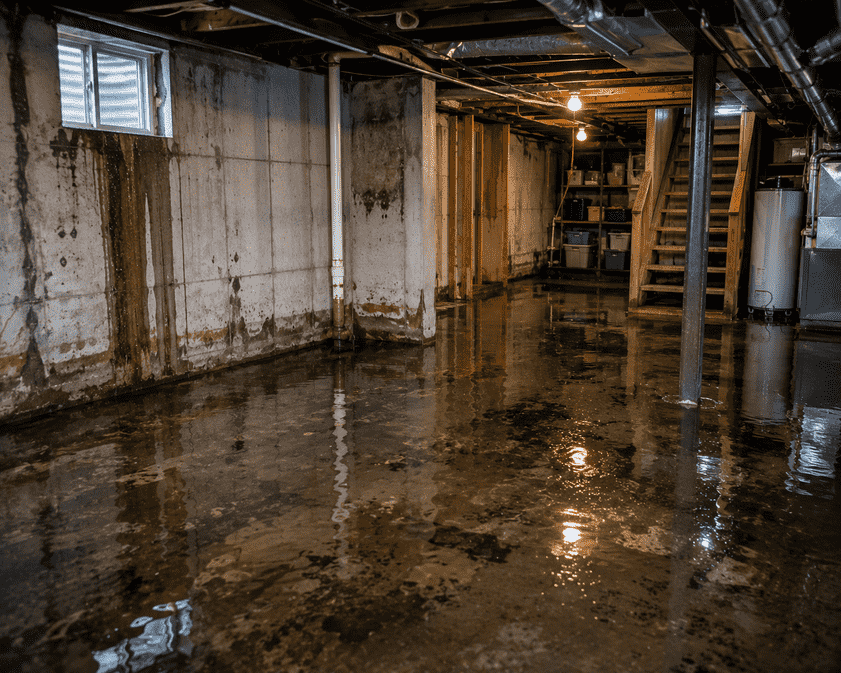
When sump pumps fail during snow thawing, basement flooding and plumbing related water damage follow quickly.
Why Plumbing Leaks Are Often Hidden After Snow Thawing
Plumbing leaks caused by snow thawing often occur in:
- Wall cavities
- Ceilings
- Crawl spaces
- Under flooring
Because these areas are not visible, water spreads quietly. By the time homeowners notice stains or odors, moisture has already caused damage.
Hidden plumbing leaks are one of the leading causes of secondary water damage after winter.
How Plumbing Issues Lead to Water Damage
Even small plumbing leaks can cause serious damage when left unchecked.
Water from thaw related plumbing issues can:
- Saturate drywall and insulation
- Warp flooring and subfloors
- Create persistent odors
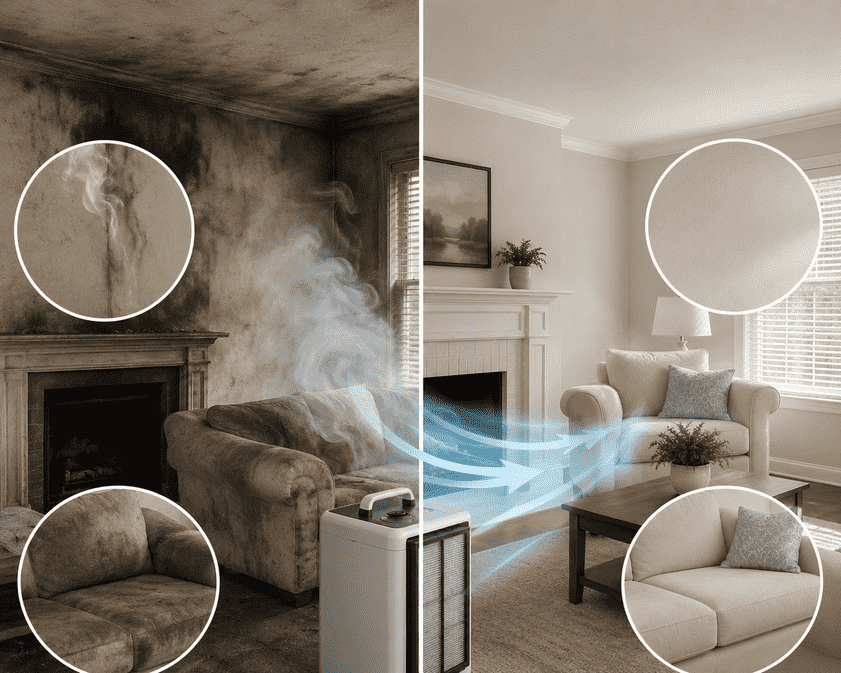
- Increase mold risk
This is why plumbing problems and water damage restoration are closely connected during thaw season.

Signs Snow Thawing Caused a Plumbing Problem
Watch for these warning signs after snow begins to melt:
- Unexplained increases in water bills
- Damp walls or ceilings
- Musty odors near plumbing lines
- Water stains with no rainfall
- Reduced water pressure
- Basement moisture without storms
These symptoms often point to hidden plumbing leaks triggered by thawing.
Why DIY Repairs Often Miss the Real Problem
DIY fixes usually focus on what is visible, not on where the problem actually started. After snow thawing, plumbing issues often originate behind walls, under floors, or underground, where leaks can continue even after surface damage is patched.
Patching drywall, sealing a small wet area, or tightening a visible fitting does not stop moisture that is spreading inside the structure. Temporary repairs may appear to work at first, but once water pressure stabilizes or temperatures fluctuate again, leaks often reopen or worsen. This allows hidden moisture to continue damaging materials and increasing the risk of mold.
Professional assessment is needed to trace the source of the leak, evaluate how far moisture has spread, and ensure repairs address the root cause rather than just the symptoms.
How Professionals Identify Thaw Related Plumbing Damage
Identifying plumbing damage caused by snow thawing requires more than spotting a visible leak. Many thaw-related issues develop behind walls, under floors, or underground, where damage can continue unnoticed without proper evaluation.
Professionals use a combination of:
- Visual plumbing inspection
- Moisture detection
- Pressure evaluation
- Targeted access when necessary
When needed, targeted access is used to confirm the exact source of the problem without unnecessary demolition. This focused approach allows professionals to identify where the damage actually started, how far moisture has traveled, and what repairs and drying steps are required to fully resolve the issue and prevent repeat damage.
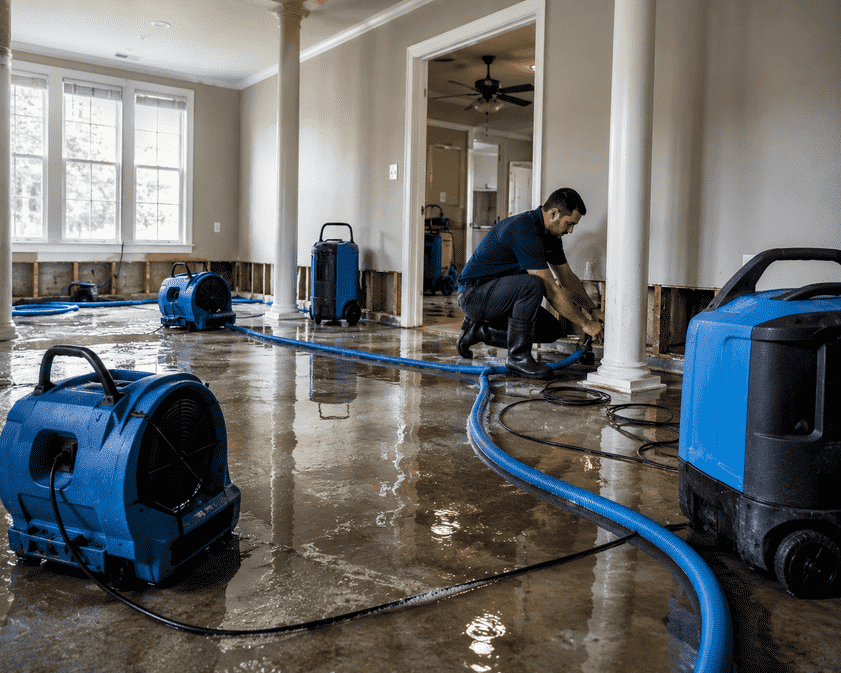
The Role of Water Drying After Plumbing Leaks
Once plumbing leaks are repaired, drying becomes critical.
Water drying removes moisture trapped inside:
- Walls
- Floors
- Insulation
- Structural framing
Without proper drying, plumbing repairs alone do not prevent long term damage.
Why Homeowners Trust Bee Dry Restoration of Cleveland
Bee Dry Restoration of Cleveland specializes in water damage restoration, moisture inspection, professional water drying, and plumbing related water issues caused by snow thawing. Our team understands how frozen pipes, soil saturation, and pressure changes affect plumbing systems.
We use measured data, not assumptions, to identify leaks, dry affected materials, and prevent repeat damage. If you suspect plumbing problems after snow thaws, contact Bee Dry Restoration of Cleveland for a professional inspection and clear next steps before damage spreads.
Frequently Asked Questions
Yes. When snow thaws, frozen or stressed pipes begin flowing again, which can expose cracks, loose joints, and hidden leaks.
Damage often occurs while pipes are frozen. Leaks appear later when water pressure returns during thawing.
Yes. Many pipes develop small cracks or joint failures that cause slow leaks rather than sudden bursts.
Yes. Increased meltwater can overwhelm damaged or partially blocked sewer and drain lines, leading to backups or slow drainage.
Yes. Snow melt raises groundwater levels and strains sump pumps and drain systems, which can cause basement plumbing issues.
Yes. Large or complex plumbing systems often hide damage longer, increasing the risk of delayed leaks and water damage.