Insurance denial does not stop water damage from spreading. When a claim is denied, moisture continues moving through walls, floors, insulation, and structural materials. Mold can begin developing within days. Odors set in. Building materials weaken. Many homeowners assume a denial means the damage can wait. It cannot.
Water damage claims are denied for specific and predictable reasons. Understanding those reasons helps homeowners take the right next steps before damage becomes more extensive and expensive.
Bee Dry Restoration of Cleveland helps homeowners across Northeast Ohio respond correctly after an insurance denial, stabilize damage, prevent secondary problems, and restore homes safely whether insurance pays or not.
This guide explains why water damage claims get denied, what homeowners can still do, and how professional restoration protects property value even when coverage is limited.
What to Do When Insurance Denies a Water Damage Claim
When insurance denies a water damage claim, homeowners should stop the water source, begin professional mitigation immediately, document all damage, and consult a qualified restoration company. Water damage continues to worsen without action, even when insurance does not pay.
Why Water Damage Insurance Claims Are Commonly Denied
Insurance companies deny water damage claims based on three primary factors: the source of the water, the duration of exposure, and whether the damage could have been prevented through reasonable maintenance or timely response.
A denial does not mean the damage is minor. It means the event does not meet the policy definition of a covered loss.
How Insurers Evaluate Water Damage Claims
When a claim is filed, insurers typically look for answers to a few key questions:
- Where did the water come from
- How long was the water present before mitigation began
- Was the damage sudden or did it develop over time
- Could the homeowner have reasonably prevented or limited the damage
If the answers point to external water sources, long-term moisture, or delayed response, coverage is often denied.

Common Denial Categories and What They Mean in Practice
Flooding or Groundwater Intrusion
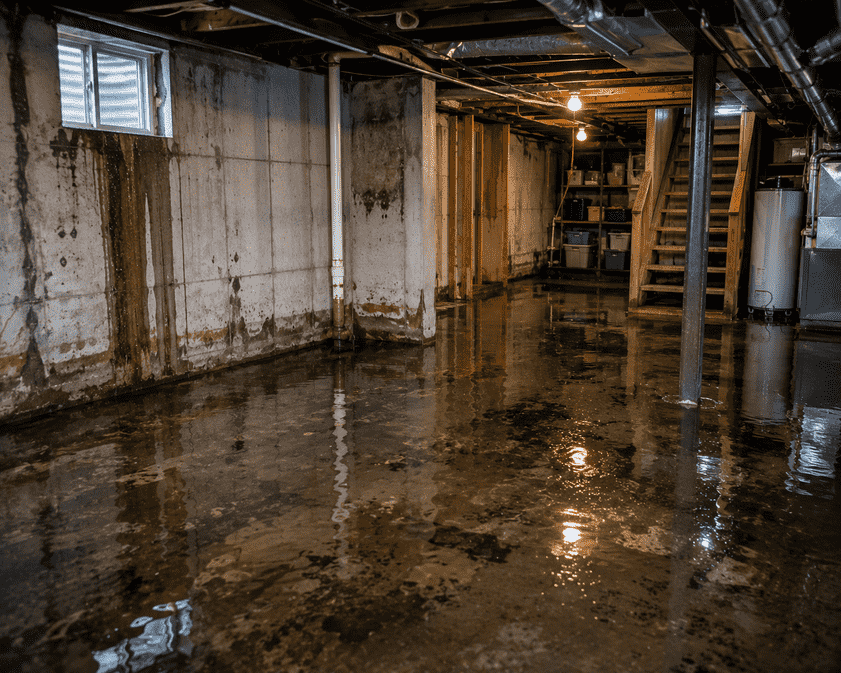
Flooding is defined as water entering from outside the home or rising from the ground. This includes surface water after heavy rain, foundation seepage, and storm runoff entering a basement.
Timeline impact: Floodwater can saturate concrete and wall cavities within hours. Even after visible water is removed, moisture can remain trapped for days without professional drying. Insurance denial is common unless a separate flood policy is in place.
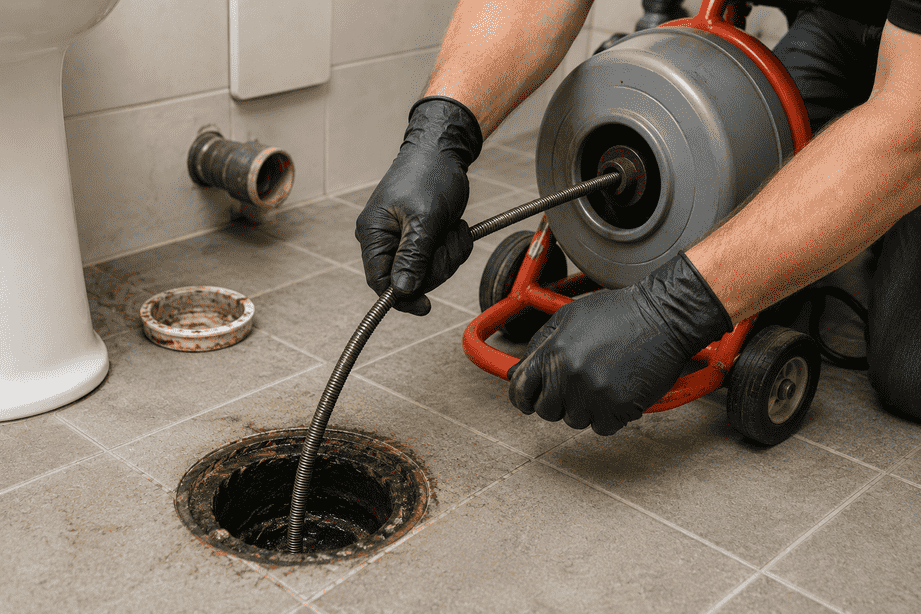
Sewage Backups or Drain Overflows
Sewage damage is frequently excluded because it involves contaminated wastewater that requires specialized cleanup.
Timeline impact: Sewage water begins contaminating porous materials immediately. Within 24 hours, bacteria and odors can spread into flooring, drywall, and framing. Delayed response increases both health risks and restoration costs.
Sump Pump Failure
Sump pump failures are commonly denied because insurers classify them as mechanical or maintenance issues rather than sudden events.
Timeline impact: Basement flooding from sump pump failure can escalate quickly. Within 12 to 24 hours, water can penetrate finished basement walls, insulation, and subflooring. Mold growth can begin within 24 to 48 hours if drying does not start.
Gradual Leaks or Long-Term Moisture
Gradual leaks include slow plumbing leaks, appliance failures that go unnoticed, and ongoing moisture intrusion.
Timeline impact: These leaks may exist for weeks or months before discovery. By the time damage is visible, materials may already be weakened or mold may be present. Claims are often denied because there is no clear start date.
Delayed Mitigation After the Initial Event
Even when an event might otherwise qualify as covered, delayed action can result in denial or reduced coverage.
Timeline impact: Many insurers expect mitigation to begin as soon as reasonably possible. Waiting more than 24 to 48 hours after discovering water damage can allow secondary damage such as mold growth, which may not be covered.
Damage Classified as Maintenance Related
Insurance is designed to cover sudden and accidental losses, not wear and tear.
Claims are often denied when damage is linked to:
- Aging plumbing systems
- Deteriorated seals or joints
- Poor drainage or grading
- Lack of routine inspection
In these cases, insurers may determine the damage was preventable.
Why Waiting After a Denial Makes Damage Worse
An insurance denial does not stop water from moving through a home. Moisture continues absorbing into drywall, insulation, framing, flooring, and concrete. The longer water remains, the more complex and costly restoration becomes.
How Water Damage Progresses Over Time
First 0 to 12 Hours
- Water spreads into wall cavities and subflooring
- Drywall and insulation begin absorbing moisture
- Wood framing starts swelling
- Electrical components may be exposed
12 to 24 Hours
- Moisture becomes trapped behind finished surfaces
- Flooring adhesives begin failing
- Odors may develop
- Bacteria growth increases
24 to 48 Hours
- Mold growth can begin on organic materials
- Drywall and wood lose structural integrity
- Insulation becomes ineffective
- Hidden moisture spreads to adjacent areas
48 Hours and Beyond
- Mold colonies expand and release spores
- Odors become persistent
- Framing and subfloors may deteriorate
- Repair costs increase significantly
In Northeast Ohio, high humidity and common basement construction accelerate this progression, especially in older homes.
How Bee Dry Restoration of Cleveland Helps After a Denial
When insurance denies or limits a water damage claim, Bee Dry Restoration of Cleveland focuses on restoring the home based on real conditions, not coverage decisions.
Bee Dry helps homeowners by:
- Assessing the full scope of damage, including hidden moisture
- Stopping moisture at the source to prevent continued spread
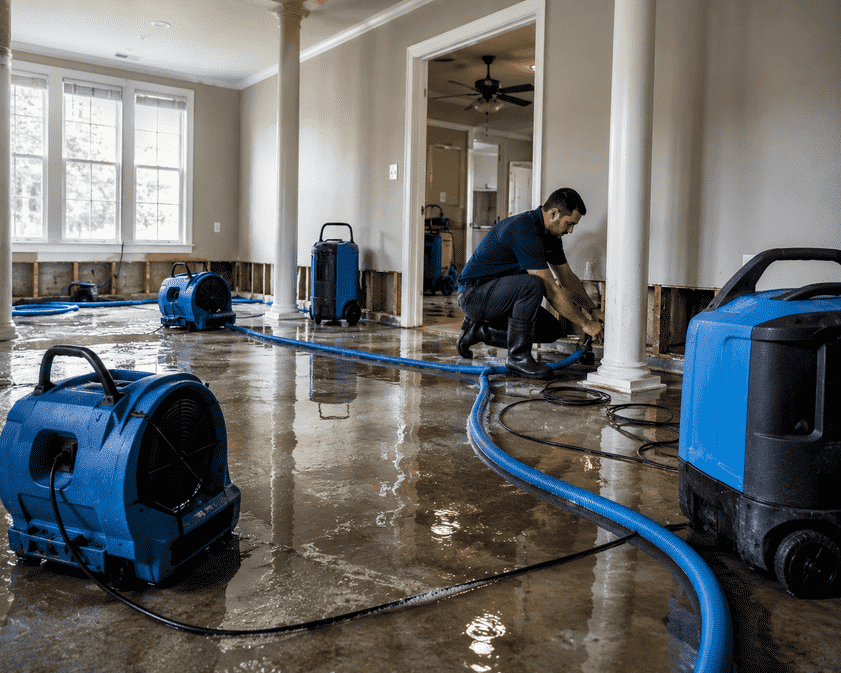
- Drying the structure properly using professional equipment
- Preventing mold growth through controlled moisture management
- Documenting damage clearly so homeowners understand the condition of their home
- Protecting long-term property value through correct restoration, not surface-level fixes
This approach ensures both visible and hidden damage are handled correctly, allowing homeowners to move forward safely and confidently after a denial.
Insurance Partners Bee Dry Works With
Bee Dry Restoration of Cleveland works with many major insurance carriers during water damage and restoration claims, including:
- State Farm
- Allstate
- Farmers Insurance
- Nationwide
- USAA
- Travelers
- Progressive
- Liberty Mutual
- Regional and specialty insurance carriers
Working with an insurance carrier does not guarantee coverage. Claim decisions depend on individual policy terms, exclusions, and endorsements.

Flood, Sewage, and Sump-Related Denials Still Require Action
Flood damage, sewage backups, and sump pump failures are frequently excluded from standard homeowners insurance. Even without coverage, these events require immediate professional cleanup to protect the structure and indoor air quality.
Professional restoration focuses on:
- Water extraction
- Structural drying
- Removal of contaminated materials
- Mold prevention and remediation
Ignoring these issues almost always leads to higher repair costs later.
What Homeowners Should Do Immediately After a Denial
After a water damage denial, homeowners should:
- Stop the water source if it is still active
- Begin professional mitigation as soon as possible
- Avoid surface-only cleanup that traps moisture
- Document visible and hidden damage
- Consult a qualified restoration company
Ignoring water damage or delaying mitigation almost always leads to higher repair costs, larger mold problems, and longer restoration timelines.
If your water damage claim has been denied or delayed, do not wait.
Bee Dry Restoration of Cleveland can assess the damage, stop moisture spread, and create a clear restoration plan to protect your home.
Contact Bee Dry Restoration of Cleveland today for a professional evaluation and emergency mitigation support.
FAQs: Insurance Denials and Water Damage
Insurance companies commonly deny water damage claims when the loss is classified as flooding, sewage backup, sump pump failure, gradual leaks, or delayed mitigation. These events are often excluded under standard homeowners policies.
In some cases, yes. A denied claim may be reviewed if additional documentation clarifies the cause, timing, or scope of damage. However, mitigation and repairs should not be delayed while an appeal is considered.
No. Most insurance policies require homeowners to take reasonable steps to prevent further damage. Delaying cleanup can increase damage and may negatively affect coverage eligibility.
No. Insurance denial is based on policy language, not the severity of damage. Denied claims often involve extensive moisture, structural impact, or contamination that still requires professional restoration.
Yes. Bee Dry focuses on damage stabilization, moisture control, and safe restoration regardless of insurance outcomes. The goal is to protect the home and prevent secondary damage.
Restoration should begin as soon as possible. Acting quickly limits moisture spread, reduces mold risk, and helps control overall repair costs.