The snow outside is finally disappearing, but now something feels off inside your home.
You notice damp spots on the ceiling. The basement smells musty. A wall feels cold and slightly wet. In some cases, water is actively pooling where it was never a problem before. This catches many homeowners off guard, especially in regions where snow does not last long but melting happens fast.
When snow starts to melt, water damage often appears days or even weeks later. This is one of the most misunderstood causes of residential water intrusion, and it is exactly why homes that seem fine during winter storms suddenly develop leaks, moisture issues, and structural damage during the thaw.
At Bee Dry Restoration of Cleveland, we regularly inspect and dry homes affected by snow melt related water damage. The pattern is consistent. The snow leaves, the temperatures rise, and water finds its way into places it should never be.

Why Does Snow Melt Cause Water Damage Inside Homes?
When snow melts, water can enter homes through roofs, walls, foundations, and plumbing systems. Freeze and thaw cycles push water into small openings, where it spreads into building materials and causes hidden moisture damage.
Snow Melt Is Not the Same as Rain
Many homeowners assume melting snow behaves like rainfall. It does not.
Rain typically drains quickly. Snow melt happens slowly. Water sits on roofs, seeps into small gaps, refreezes overnight, and then melts again. This repeated freeze and thaw cycle forces water deeper into roof systems, siding, wall assemblies, and foundation areas.
Unlike a heavy storm that reveals leaks immediately, snow melt often causes delayed water intrusion. By the time damage becomes visible, moisture has already traveled through insulation, drywall, flooring, and framing.
The Most Common Places Snow Melt Water Enters a Home
Roof Edges and Roof Penetrations
As snow melts, water flows downward and refreezes near roof edges or shaded areas. This creates small dams that push water under shingles and flashing. Once water gets beneath roofing materials, it can drip into attic spaces and ceilings.
Ceiling stains that appear after snow melts are often the first visible sign of this problem.
Exterior Walls and Siding Systems
Melting snow can saturate exterior walls, especially when snow piles up against siding. Water seeps through seams, fasteners, and small cracks, then travels downward inside wall cavities.
This type of water intrusion often causes damp walls, peeling paint, or insulation saturation.
Foundations and Basement Areas
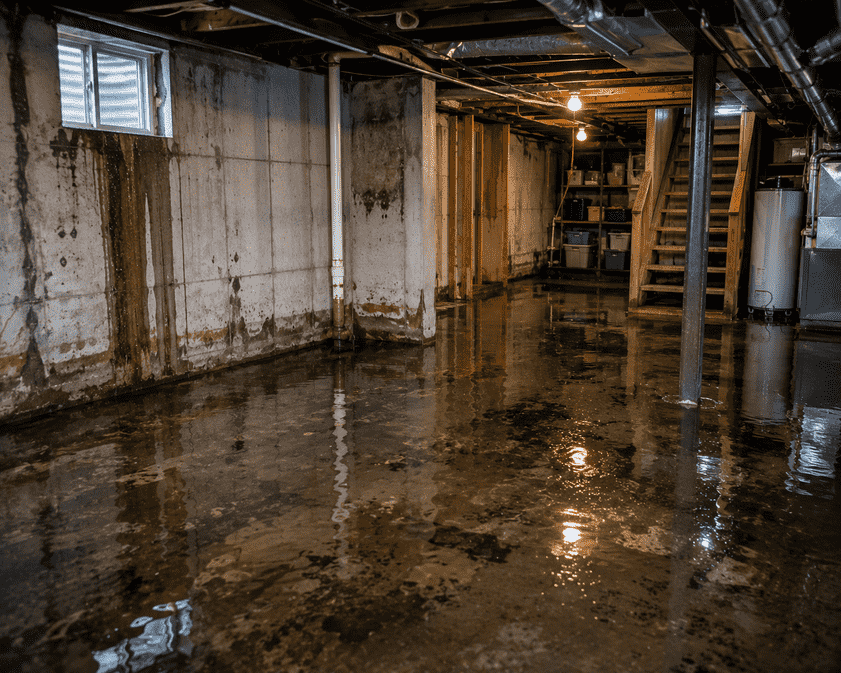
Snow melt increases groundwater levels around the foundation. As the soil becomes saturated, water pressure builds against basement walls and floors. This can lead to seepage through cracks, joints, and porous materials.
Basement flooding caused by snow melt is common even when no rain is present.
Plumbing Affected by Freezing and Thawing
Pipes that freeze during winter can develop small fractures. When temperatures rise and water flow resumes, those cracks begin leaking. This often happens behind walls, under floors, or in crawl spaces where leaks remain hidden until moisture damage becomes noticeable.
Why Water Damage Often Appears After the Snow Is Gone
This delay is what confuses homeowners the most.
Snow melt water does not always enter all at once. It moves slowly, following gravity and airflow paths inside the structure. Moisture can sit inside insulation or framing for days before it reaches a visible surface.
By the time you see water stains, odors, or warped materials, the damage has already progressed beyond the surface.
Signs Snow Melt Is Causing Hidden Water Damage
Some of the most common warning signs include:
- Water stains that appear days after snow melts
- Musty or damp odors indoors
- Cold or wet walls and ceilings
- Warped flooring or soft drywall
- Recurring moisture with no active rain
- Increased humidity inside the home
These symptoms often point to moisture trapped inside building materials rather than a surface level problem.
Why Snow Thawing Creates Higher Risk Than You Think
Snow thawing creates repeated stress on a home. During the day, snow melts and water flows. At night, temperatures drop and water refreezes. This cycle repeats until all snow is gone.
Each cycle forces water further into cracks, joints, and material seams. Once inside, drying does not happen naturally. Modern homes are designed to be energy efficient, which also means they trap moisture more easily.
Without professional drying, that moisture stays.

Why Surface Drying Does Not Fix Snow Melt Damage
Many homeowners try to dry wet areas with fans or dehumidifiers. While this may dry visible surfaces, it does not remove moisture trapped behind walls, under floors, or inside insulation.
Hidden moisture continues to cause damage by:
- Weakening structural materials
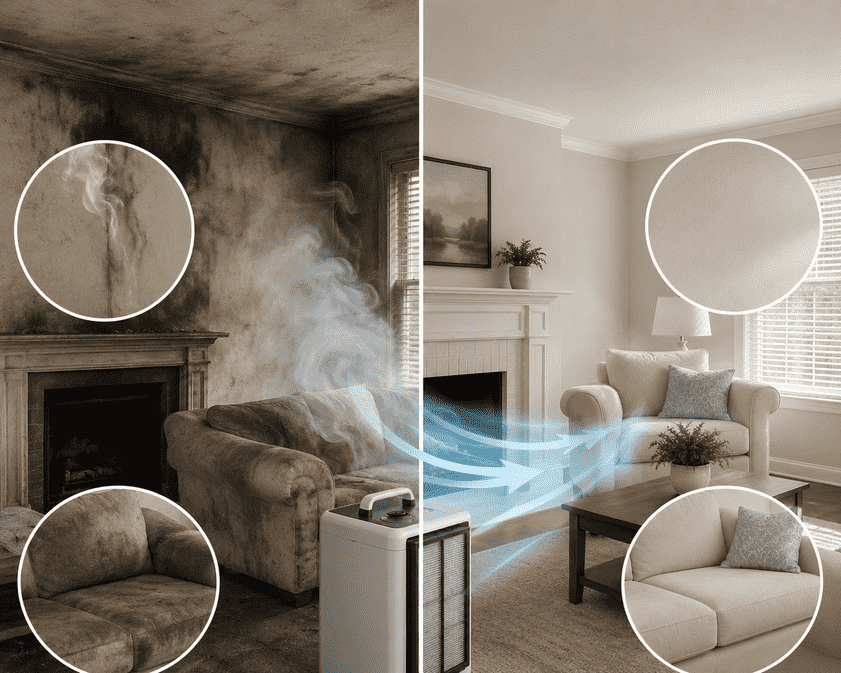
- Creating conditions for mold growth
- Causing odors that return after drying
- Leading to repeat damage months later
Professional water drying focuses on moisture removal from the entire structure, not just what you can see.
How Professionals Identify Snow Melt Water Damage
Snow melt water damage is often hidden, which makes visual checks unreliable. Water can travel behind walls, above ceilings, and beneath floors before any damage becomes visible.
Professionals use moisture meters and thermal detection tools to locate water inside building materials and trace how it has spread from the original entry point. This makes it possible to find hidden moisture caused by snow melt and freeze-thaw cycles.
By mapping moisture levels, technicians can determine which materials are affected and choose the correct drying approach. This targeted assessment avoids unnecessary demolition while ensuring no trapped moisture is left behind, helping prevent future damage and mold growth.
The Role of Water Drying After Snow Melt
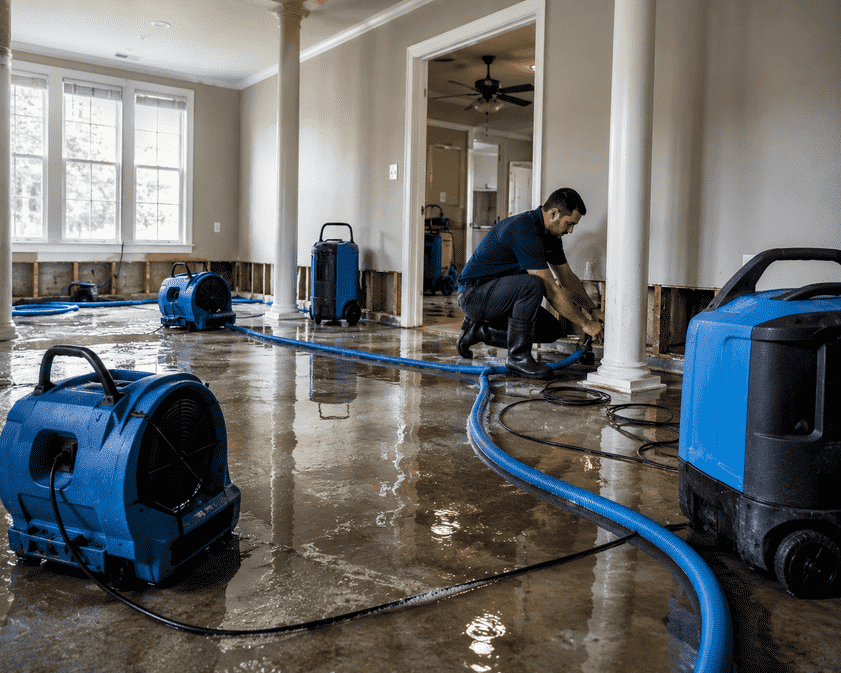
Water drying is the most critical step after snow related water intrusion.
Proper drying involves:
- Controlled airflow to move moisture out of materials
- Dehumidification to pull moisture from the air and structure
- Monitoring moisture levels until materials return to safe conditions
Drying too fast can damage materials. Drying too slowly allows mold growth. Professional control matters.
When to Call a Water Damage Professional
You should seek professional help if:
- Water appears after snow melts
- Moisture returns repeatedly
- Walls, ceilings, or floors feel damp
- Odors persist after drying attempts
- Plumbing issues followed freezing weather
Early action reduces damage severity and repair costs.
Why Bee Dry Is Trusted for Snow Melt Water Damage
Bee Dry Restoration of Cleveland specializes in moisture inspection, water extraction, professional water drying and water damaged restoration in general.. Our team understands how snow melt, snow thawing, and freeze cycles affect structures and plumbing systems.
We do not rely on guesswork. We measure moisture, dry materials properly, and verify results to protect your home or business long term.
Frequently Asked Questions
When snow melts, water can seep into roofs, walls, foundations, and plumbing through small gaps created by freeze and thaw cycles, causing delayed leaks.
Yes. Snow melt alone can saturate building materials and raise groundwater levels, leading to leaks and moisture problems without any rainfall.
Water damage can appear anywhere from a few days to several weeks later as moisture slowly moves through walls, ceilings, and floors.
Snow melts gradually and refreezes overnight, repeatedly forcing water deeper into roofing systems, walls, and foundations instead of draining away quickly.
Yes. Pipes can crack while frozen and begin leaking once water pressure returns during thawing temperatures.
Fans and dehumidifiers help surface drying, but they do not remove moisture trapped inside walls, floors, or insulation.