Snow in North Carolina does not usually last long, but when it melts, the damage can last much longer than expected.
Many homeowners assume that once the snow is gone, the risk is over. In reality, snow melt is often when water damage begins. As temperatures rise, melting snow creates slow-moving water that seeps into roofs, walls, foundations, and plumbing systems. The result is water damage that shows up days or even weeks later, often without heavy rain or obvious leaks.
This delayed damage catches homeowners off guard every year. At Bee Dry Restoration of Cleveland, we routinely inspect and dry homes where snow melt caused moisture problems long after winter storms passed. Understanding how snow melt behaves in North Carolina homes is the key to preventing serious structural damage and mold growth.

What Is Snow Melt Water Damage?
Snow melt water damage occurs when melting snow slowly enters roofs, walls, foundations, or plumbing systems, causing hidden moisture problems that often appear after the snow has already disappeared.
Why Snow Melt Is a Unique Water Damage Risk in North Carolina
North Carolina homes are not designed for long periods of snow coverage. When snow does occur, it is often followed by rapid warming. This creates ideal conditions for snow melt water intrusion.
Unlike rain, which drains quickly, snow melt happens gradually. Water sits on roof surfaces, collects near edges, and seeps into small gaps. At night, temperatures often drop again, refreezing water and forcing it deeper into building materials during the next thaw.
This freeze and thaw pattern repeats several times, pushing moisture into places where it cannot dry naturally.
How Snow Melt Water Gets Inside Homes
Roof Systems and Attic Areas
Melting snow can back up near roof edges, valleys, and penetrations. Water slips under shingles and flashing, then drips into attic spaces and ceilings. Ceiling stains that appear after snow melts are often the first visible sign of this problem.
Exterior Walls and Siding
Snow that piles up against siding allows water to soak into wall assemblies. As snow melts, water enters through seams, nail holes, and trim joints, then travels downward inside wall cavities.
Foundations and Basements
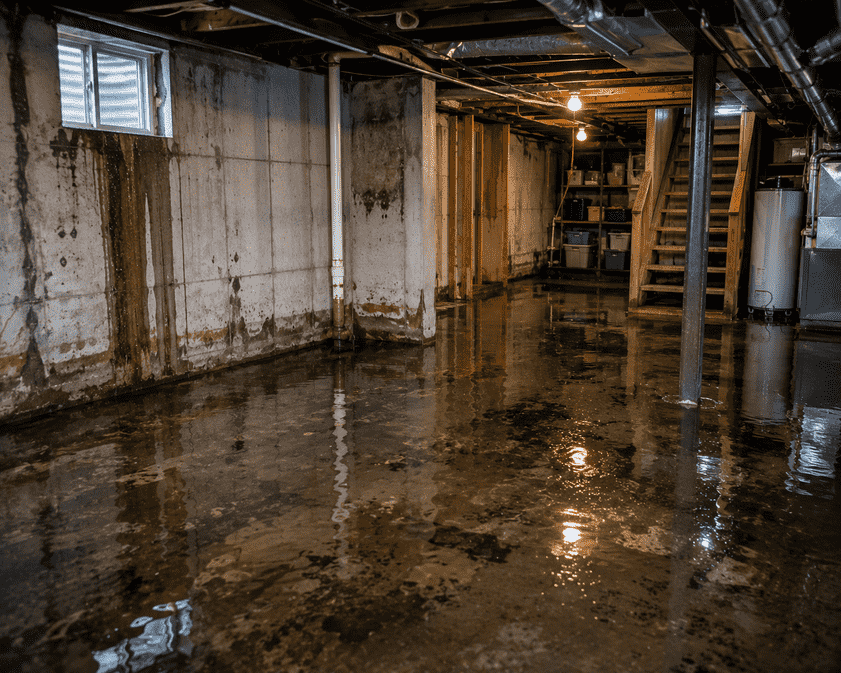
Snow melt increases groundwater saturation around foundations. As soil becomes saturated, pressure builds against basement walls and floors, leading to seepage through cracks and joints. This often causes basement water intrusion without any rainfall.
Plumbing After Freezing Weather
Pipes that freeze during winter may crack slightly. When temperatures rise and water flow returns, those cracks begin leaking. These leaks often occur behind walls, under floors, or in crawl spaces, making them difficult to detect early.
Why Water Damage Often Appears After the Snow Is Gone
One of the most confusing aspects of snow melt water damage is the delay.
Water does not always appear where it enters. Moisture can move through insulation, framing, and drywall before becoming visible. This means damage may not show up until days or weeks later, when staining, odors, or warped materials appear.
By the time homeowners notice a problem, moisture has often spread far beyond the original entry point.
Common Signs of Snow Melt Water Damage
As snow begins to melt, water can enter a home slowly and without obvious leaks. Because this moisture often travels behind walls or under floors, the warning signs are easy to overlook at first.
Homeowners should watch for these indicators after snow starts to melt:
- Water stains on ceilings or walls that appear days after the snow is gone
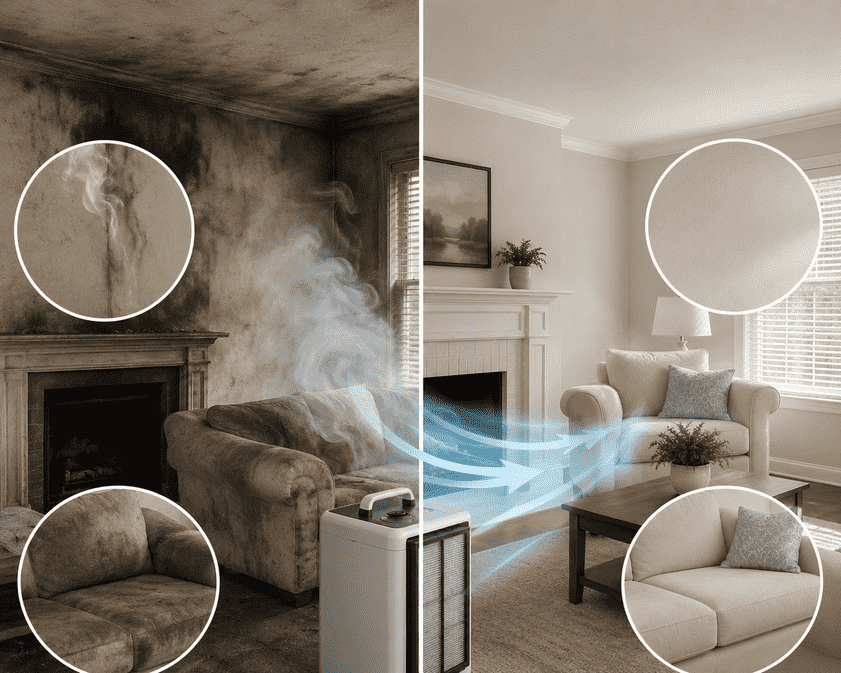
- Musty, damp, or earthy odors indoors, especially in basements or lower levels
- Cold, wet, or spongy surfaces with no visible source of water
- Peeling paint, bubbling drywall, or discoloration along walls and ceilings
- Warped flooring, lifting boards, or soft spots underfoot
- Basement dampness, moisture along foundation walls, or pooling water on floors
- Condensation buildup on windows or walls that was not present before
- Increased indoor humidity or a persistent feeling of damp air
- Recurring stains that dry out and then reappear without rainfall
These symptoms usually point to hidden moisture inside building materials, not simple surface condensation. Snow melt water damage often continues behind the scenes even after visible moisture dries, which is why problems tend to worsen over time if they are not properly inspected and dried.
Early detection makes a significant difference. Addressing snow melt water damage at the first signs helps prevent structural deterioration, recurring leaks, and mold growth later in the season.
Why Snow Thawing Creates Hidden Moisture Problems
Snow thawing does not happen all at once. Water melts during the day, refreezes at night, and melts again. Each cycle pushes water deeper into cracks and seams.
Once water enters wall cavities or insulation, natural airflow cannot remove it. Modern homes are tightly sealed for energy efficiency, which traps moisture even longer. Without professional drying, moisture remains and continues damaging materials.

Why Fans and Store Bought Dehumidifiers Are Not Enough
Many homeowners attempt to dry wet areas using fans or portable dehumidifiers. While this may help surface moisture, it does not remove water trapped inside building materials.
Hidden moisture can continue causing damage by:
- Weakening drywall and framing
- Creating odors that return after drying
- Increasing mold risk
- Leading to repeat water damage
Professional water drying focuses on controlled airflow and moisture removal from the entire structure, not just visible surfaces.
How Professionals Identify Snow Melt Water Damage
Effective assessment requires more than a visual inspection. Professional moisture inspections use moisture meters and thermal detection tools to locate water inside walls, ceilings, floors, insulation, and structural framing. This allows technicians to trace moisture paths and understand how far water has spread.
By mapping moisture levels, professionals determine which materials are affected and which drying methods are required. This targeted approach prevents unnecessary demolition while ensuring no moisture is left behind.
The Role of Water Drying After Snow Melt
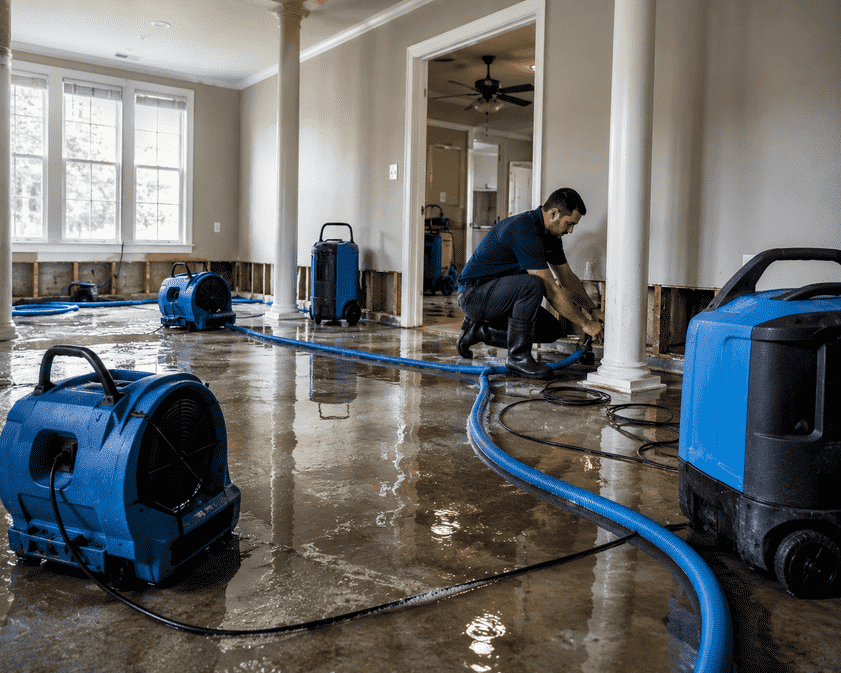
Water drying is the most important step after snow melt intrusion because it addresses the moisture you cannot see. When snow melts, water often enters slowly and settles deep inside walls, floors, insulation, and structural framing. If that moisture is not removed properly, damage continues long after visible water disappears.
Professional drying includes:
- Controlled airflow placement
- Dehumidification to pull moisture from materials
- Ongoing moisture monitoring
Drying continues until materials return to safe, stable moisture levels based on readings, not just until surfaces feel dry to the touch. This verification step is critical, especially after snow melt events, because moisture can linger behind walls or under flooring even when rooms appear dry. Thorough water drying helps prevent repeat damage, future repairs, and long-term structural problems caused by trapped moisture.
Residential and Commercial Properties Are Both at Risk
Snow melt water damage affects single-family homes, apartments, offices, retail spaces, and multi-unit buildings alike. When snow begins to melt, water can enter through roofs, walls, foundations, and plumbing systems, often spreading quietly before any damage becomes visible. Because this intrusion is gradual, homeowners and property managers may not notice a problem until moisture has already traveled into walls, flooring, and structural materials.
Commercial properties are especially vulnerable due to their size, layered construction, and complex layouts. Moisture can remain hidden longer in large buildings, increasing the risk of structural deterioration, odors, and business disruption. Professional moisture inspection and water drying help identify hidden damage early and ensure both the structure and occupants are protected before problems escalate.
Why Homeowners Trust Bee Dry Restoration of Cleveland
Bee Dry Restoration of Cleveland is trusted because our work goes beyond surface-level fixes. We specialize in moisture inspection, water extraction, professional water drying, water damage restoration, and plumbing-related water issues, with a deep understanding of how snow melt, freeze cycles, and plumbing systems affect both residential and commercial properties. Our team knows where water hides, how it moves through structures, and what it takes to stop damage before it spreads.
Every decision we make is guided by measured data, not assumptions. We use moisture readings, material assessments, and proven drying methods to ensure water is fully removed and structures are stabilized correctly. This disciplined approach prevents repeat damage, lingering moisture problems, and long-term issues that often appear when drying is rushed or incomplete. If snow melt or water intrusion is affecting your home or business, contact Bee Dry Restoration of Cleveland for a professional inspection and clear next steps before the damage gets worse.
Frequently Asked Questions
Snow melt water moves slowly through building materials, so damage may not become visible until moisture spreads to ceilings, walls, or floors.
It can be. Snow melt happens gradually and refreezes overnight, repeatedly pushing water deeper into building materials instead of draining away.
Yes. Melting snow raises groundwater levels around foundations, which can lead to basement seepage or flooding even during dry weather.
Yes. Pipes may crack while frozen and begin leaking once water pressure returns during thawing conditions.
No. Fans and dehumidifiers help surface drying but cannot remove moisture trapped inside walls, floors, or insulation.
A professional water damage restoration company with experience in moisture inspection and structural drying.