Without professional treatment, smoke odor can last weeks, months, or even years, depending on fire type, surface porosity, and ventilation. Odor molecules penetrate walls, fabrics, and ductwork, requiring specialized ozone or hydroxyl treatments to neutralize. DIY cleaning or air fresheners only mask the smell temporarily.
Why Smoke Odor Lingers So Long
After a fire, the visible damage might be gone, but the smell of smoke often lingers far longer than expected. That persistent odor isn’t just an inconvenience, it’s a sign that microscopic soot particles and volatile compounds are still trapped inside your home’s materials.
Smoke odor doesn’t fade easily because it’s chemically bonded to porous surfaces like drywall, wood, fabric, and insulation. Even small fires, like a kitchen grease flare-up or candle mishap, can release thousands of odor molecules that settle deep into surfaces and air ducts.
At Bee Dry Restoration of Cleveland, we often get calls from homeowners weeks or even months after a fire because the smoke smell “came back.” This happens because standard cleaning methods only remove surface residues, not the deeply embedded particles causing the persistent odor.
What Determines How Long Smoke Odor Lasts
Several key factors influence how long smoke odor will linger without professional restoration:
1. Type of Fire and Smoke
Different fires create different residues and some are much harder to remove:
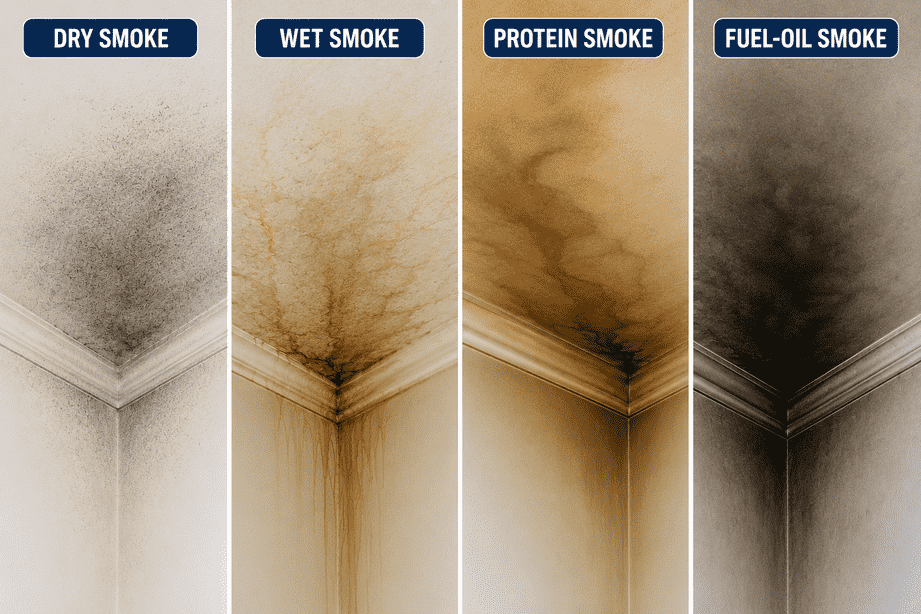
Type of Smoke | Characteristics | Odor Duration (Without Treatment) |
Dry Smoke | From fast, high-heat fires (wood, paper) | Weeks to months |
Wet Smoke | From low-heat, smoldering fires (plastics, rubber) | Months to years |
Protein Smoke | From cooking or food fires | Can last indefinitely if untreated |
Fuel-Oil Smoke | From furnace puff-backs | Lingering odor for years if untreated |
Wet and protein smoke are particularly stubborn, they produce greasy, sticky residues that cling to everything and are nearly impossible to eliminate with household cleaning.
2. Surface Porosity
Porous materials; drywall, carpet, insulation, upholstery, absorb and retain smoke particles far more than nonporous ones like glass or tile. That means your walls, ceilings, and furniture can trap odor long after the fire is gone.
3. Air Circulation
Poor ventilation keeps airborne odor molecules moving through your home. Once they enter your HVAC system, they continuously recirculate through vents and ducts, spreading the smell everywhere.
4. Time Since the Fire
The longer smoke residues sit, the deeper they penetrate. Delayed cleaning not only worsens the odor but also increases the cost and complexity of removal.
5. Humidity and Temperature
Moisture and heat reactivate odor molecules. That’s why homeowners often notice a stronger smoke smell on humid or warm days, even months later.
How Long Does Smoke Odor Typically Last?
Without professional cleaning, smoke odor can last:
- Small localized fires: 1 to 4 weeks (odor fades but doesn’t disappear)
- Moderate whole-room smoke damage: 1 to 6 months
- Severe or structural smoke contamination: 1 year or longer
If the smell persists beyond two weeks despite surface cleaning and ventilation, that’s a clear sign of hidden contamination in materials or air systems.
Professional treatment from Bee Dry Restoration of Cleveland eliminates odors at the molecular level, permanently neutralizing the problem instead of masking it.
Why DIY Smoke Odor Removal Fails
Most DIY smoke cleaning methods only treat what you can see, not the microscopic soot particles embedded in your walls and ceilings. Common mistakes include:
- Using Air Fresheners or Scented Candles: These only mask the odor temporarily and mix new chemical compounds into the air, which can worsen indoor air quality.
- Washing with Soap and Water: Water and detergents often smear oily soot, spreading it deeper into drywall or paint layers.
- Using Household Vacuums: Standard vacuums release fine soot particles back into the air unless equipped with a HEPA filter.
- Painting Over Smoke Stains: Painting without sealing traps odor inside. Over time, it seeps back through the paint, especially in humid weather.
- Ignoring HVAC Systems: Smoke odor often hides in ductwork and filters, constantly reintroducing contaminants into clean areas.
The bottom line: smoke cleanup is not a surface-level task, it’s a deep, technical process requiring professional equipment.
How Professionals Permanently Remove Smoke Odor
At Bee Dry Restoration of Cleveland, our certified technicians follow a proven multi-step system to restore clean, breathable air.
Step 1: Inspection and Odor Source Identification
We perform a complete evaluation using particulate and air-quality sensors to pinpoint contamination sources including hidden areas inside walls or vents.
Step 2: Air Scrubbing and Filtration
Using industrial-grade HEPA air scrubbers and carbon filters, we remove airborne particulates and VOCs that standard filters can’t capture.
Step 3: Deep Surface Cleaning
Walls, ceilings, and hard surfaces are cleaned using dry chemical sponges and alkaline cleaners designed to break down acidic soot.
Step 4: Odor Neutralization
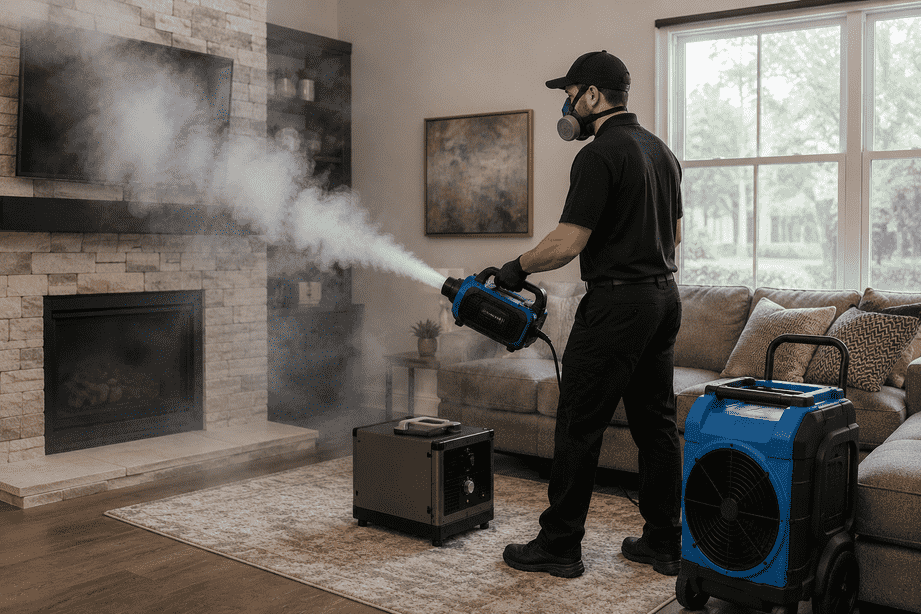
We deploy ozone generators and hydroxyl radical machines to chemically neutralize odor molecules throughout the structure.
Unlike air fresheners, these treatments eliminate odor at its molecular core.
Step 5: HVAC Cleaning
All ducts, coils, and vents are cleaned and sanitized to prevent recontamination.
Step 6: Sealing and Restoration
Surfaces are primed with odor-blocking sealants and repainted. Post-cleaning air tests confirm full odor removal.
How Long Does It Take for Professionals to Remove Smoke Odor?
Professional smoke odor elimination typically takes:
- 1–2 days for small or isolated areas
- 3–7 days for moderate damage
- 1–3 weeks for full-home restoration
This depends on the size of the affected area, the smoke type, and how long the odor has been present.
The Health Risks of Lingering Smoke Odor
Smoke odor is more than a bad smell, it signals ongoing air contamination. Prolonged exposure can cause:
- Respiratory irritation and coughing
- Eye and throat irritation
- Fatigue or headaches
- Allergic reactions
- Worsened asthma or COPD symptoms
- Long-term exposure to carcinogenic compounds (benzene, formaldehyde, carbon monoxide)
Even after visible cleaning, toxic gases and fine particles can linger for weeks. The safest option is a full professional restoration.
How to Prevent Smoke Odor from Returning
After professional cleaning, you can maintain indoor air quality with a few preventive steps:
- Replace HVAC filters regularly.
- Install activated carbon air purifiers in key rooms.
- Keep humidity levels between 30–50%.
- Schedule annual duct inspections.
- Avoid burning candles or smoking indoors.
Bee Dry Restoration also provides ongoing air-quality testing and deodorization maintenance for Cleveland homeowners who want complete peace of mind.
When to Call a Professional
If you’ve cleaned repeatedly and still smell smoke after two weeks, professional help is essential. Signs that indicate you need expert smoke removal include:
- Persistent odor no matter how much you clean
- Stains or yellowing on walls or ceilings
- Oily soot near vents or light fixtures
- Health symptoms like coughing or dizziness indoors
- Odor returning after humid weather
Our experts at Bee Dry Restoration respond 24/7 to handle smoke and soot removal for residential and commercial properties.
The Long-Term Cost of Ignoring Smoke Odor
Neglecting professional cleaning often leads to:
- Ongoing health complaints
- Corrosion and discoloration of walls and fixtures
- Odor reactivation during seasonal humidity changes
- Reduced property value
- Mold growth in fire-damaged insulation or walls
Addressing the problem early is always cheaper and safer than remediation months later.
Why Bee Dry Restoration of Cleveland Is the Right Choice
As Northeast Ohio’s trusted restoration company, we provide full-service fire, smoke, and soot damage cleaning with industry-leading technology.
- IICRC-certified technicians in Fire and Smoke Restoration
- Advanced odor removal equipment (ozone and hydroxyl systems)
- Complete HVAC and air duct decontamination
- Licensed, insured, and local
- 24/7 emergency response and free inspections
When your home still smells like smoke weeks later, Bee Dry Restoration is the expert team that restores both your air quality and peace of mind.
Conclusion
Smoke odor can linger for months or even years without professional help. It seeps into every surface, reappearing whenever the weather changes or humidity rises. Standard cleaning products simply aren’t enough to remove the microscopic soot and chemical residues behind the smell.
If your Cleveland home still smells like smoke, Bee Dry Restoration of Cleveland can restore clean, safe air using advanced deodorization and HEPA filtration systems. Don’t wait, call our certified team today for 24/7 smoke odor removal and indoor air restoration.
Frequently Asked Questions
Smoke particles and odor molecules can penetrate drywall, insulation, wood, carpet, furniture, and HVAC systems. Even after visible fire damage is cleaned, residual smoke contamination can continue producing odors until affected materials are properly cleaned and deodorized.
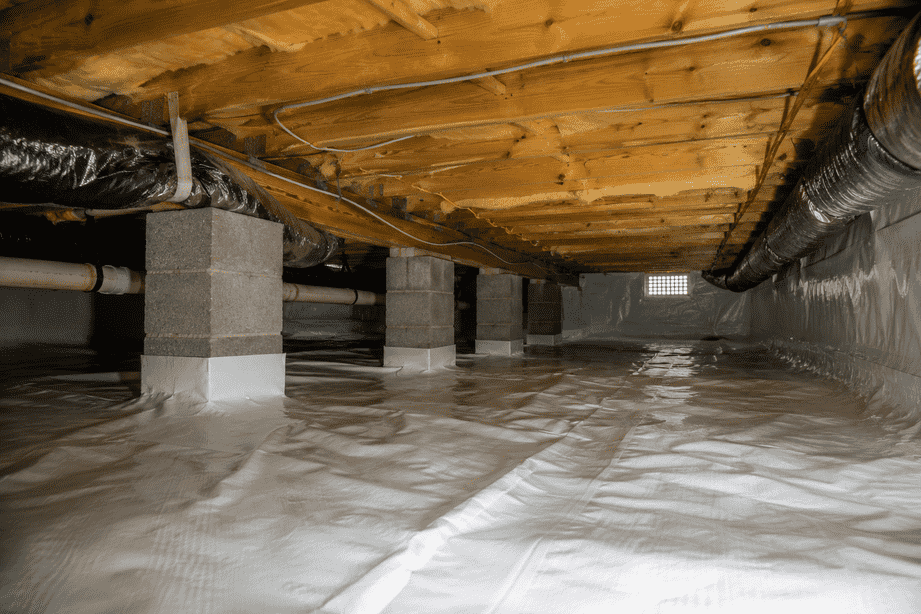
In many cases, yes. Persistent smoke odor often indicates that smoke residue remains inside porous materials, air ducts, attics, crawl spaces, or wall cavities. A professional smoke damage inspection can help identify hidden contamination.
Yes. Smoke particles can enter ductwork and circulate throughout the property. If the HVAC system was operating during or after the fire, smoke odors may continue spreading until the system and ductwork are professionally cleaned.
Porous materials such as drywall, insulation, carpet, upholstery, curtains, wood, and clothing absorb smoke particles more easily than hard surfaces. These materials often require specialized cleaning or restoration to fully eliminate odors.
Replacing smoke-damaged drywall can eliminate odors trapped within the material, but it may not solve the entire problem. Smoke residue can also affect insulation, framing, flooring, and HVAC systems that may require additional cleaning or restoration.
A professional smoke damage assessment can help determine the source. Smoke trapped inside insulation, wall cavities, attics, crawl spaces, or HVAC ductwork often causes recurring odors that return even after surface cleaning.
If smoke odors persist after cleaning, continue returning over time, or affect multiple areas of the property, professional smoke odor removal is recommended. Early treatment can help prevent long-term contamination and restore healthier indoor air quality.