A slow drain is one of the clearest early signs that a plumbing system is starting to struggle. Water takes longer to disappear, the sink fills higher than usual, the shower floor becomes a small pool, and toilets lose flushing power. These issues always point to the same thing. Something inside the drain line is disrupting smooth water flow.
Slow drains rarely happen overnight. They form gradually as buildup, debris, or blockages narrow the inside of the pipe. Once the opening becomes restricted, water has to fight its way through, and that is when you begin to notice slower movement. Left untreated, these early symptoms eventually turn into a complete clog.
Bee Dry handles drain cleaning, hydro jetting, camera inspections, and clogged drain repair every day. Through thousands of service calls, a clear pattern shows what causes drains to slow down most often.
What causes slow drains?
Slow drains are commonly caused by hair buildup, grease, soap residue, food waste, mineral deposits, foreign objects, or partial sewer line blockages. These materials collect inside the pipe and restrict water flow. Professional drain cleaning or hydro jetting removes this buildup and restores proper drainage.
The Top Causes of Slow Drains
1. Hair Buildup in Bathroom Drains
Hair is one of the most frequent causes of a slow shower drain or sluggish bathroom sink. As hair flows through the drain, it wraps around itself and forms a net-like cluster. This catches soap scum, oils, conditioner residue, shaving products, and dirt. Over time, the cluster becomes dense enough to slow water movement.
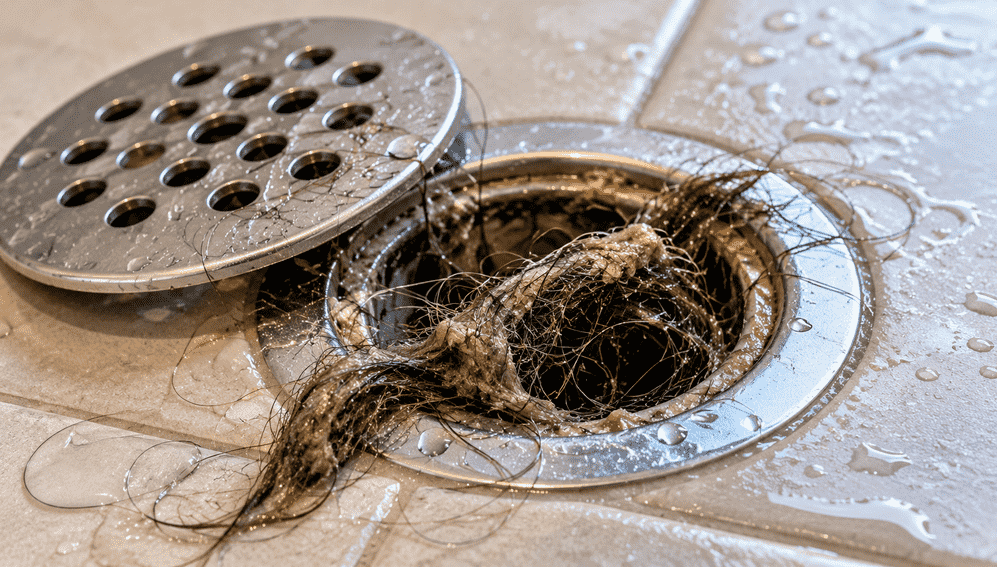
Common symptoms include:
- standing water in the shower
- a tub that drains several minutes after use
- slow movement in bathroom sinks
- faint gurgling as water pushes through the obstruction
A drain snake removes most hair clogs, but recurring buildup usually means hair and residue are collecting deeper inside the line.
2. Soap Residue and Product Buildup
Soap seems harmless in liquid form, but when it mixes with minerals in water, it creates a sticky film. This film attaches to pipe walls and captures anything that flows past. Add shampoos, conditioners, lotions, face wash, and toothpaste, and the buildup becomes thick, slick, and slow to dissolve.
This problem is especially heavy in:
- showers
- tubs
- bathroom sinks
Snaking may improve flow temporarily, but hydro jetting cleans the entire pipe and removes the film completely.
3. Grease Buildup in Kitchen Drains
Grease is the number one cause of slow kitchen sinks. When grease cools, it solidifies into a sticky coating that traps food particles. The more grease that enters the drain, the thicker the coating becomes. Eventually, it narrows the pipe enough that water cannot pass quickly.
Grease buildup forms from:
- oils
- butter
- meats
- sauces
- dairy fats
- frying residue
A kitchen line with heavy grease rarely improves on its own. Professional drain cleaning or hydro jetting is usually required to remove hardened layers.
4. Food Waste and Organic Material
Certain food items expand, harden, or tangle inside drain lines. Many homeowners assume garbage disposals can grind anything, but disposals only break food into smaller pieces. Those pieces still travel into the drain.
Foods that commonly cause slow drains include:
- rice
- pasta
- potato skins
- coffee grounds
- fibrous vegetables
- eggshells
Once food compacts in the drain, it blocks water flow and may require snaking or jetting.
5. Mineral Deposits from Hard Water
Hard water contains natural minerals like calcium and magnesium. These minerals cling to the inside of the pipe and accumulate over time. This creates a narrowed, uneven pipe surface that slows water movement.
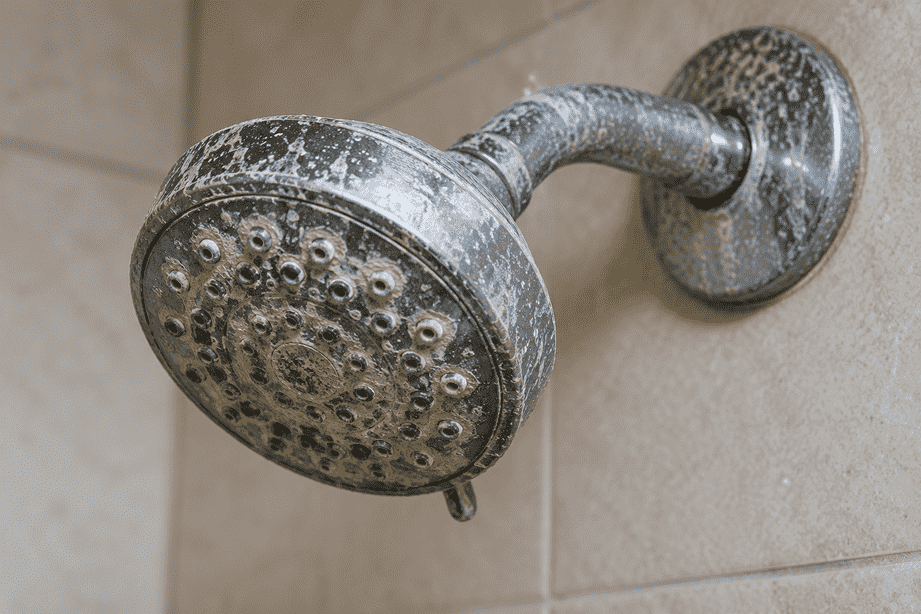
Homes without water filtration are especially prone to mineral buildup in:
- bathroom sinks
- kitchen drains
- laundry drains
- main sewer lines
Mineral scale is extremely difficult to remove with basic drain snakes. Hydro jetting is the most effective way to restore pipe diameter.
6. Foreign Objects That Do Not Break Down
Any object that enters a drain and does not dissolve can restrict flow. This includes items many people accidentally flush or wash down sinks.
Common culprits include:
- wipes
- paper towels
- feminine hygiene products
- dental floss
- cotton swabs
- hair ties
Even flushable wipes stay intact inside pipes. Once caught on a small snag, they begin collecting other debris and slow the drain significantly.
7. Sludge and Sediment in Floor Drains and Laundry Drains
Floor drains and laundry drains capture dirt, lint, and sediment that should never enter the plumbing system. Over time, these materials settle into a thick sludge at the bottom of the trap or line.
This sludge reduces water flow and eventually blocks the drain entirely.
Signs of sludge buildup include:
- slow basement drainage
- water pooling around floor drains
- slow laundry sink drainage
- musty or sewer-like odors
Floor drains often require rodding or hydro jetting to remove deep sludge.
8. Early Root Intrusion in Sewer Lines
Roots seek water and nutrients, and sewer lines are a perfect target. Even a small crack or loose joint can let root strands enter the pipe. Once inside, roots multiply and grab onto passing debris, eventually forming a partial blockage.
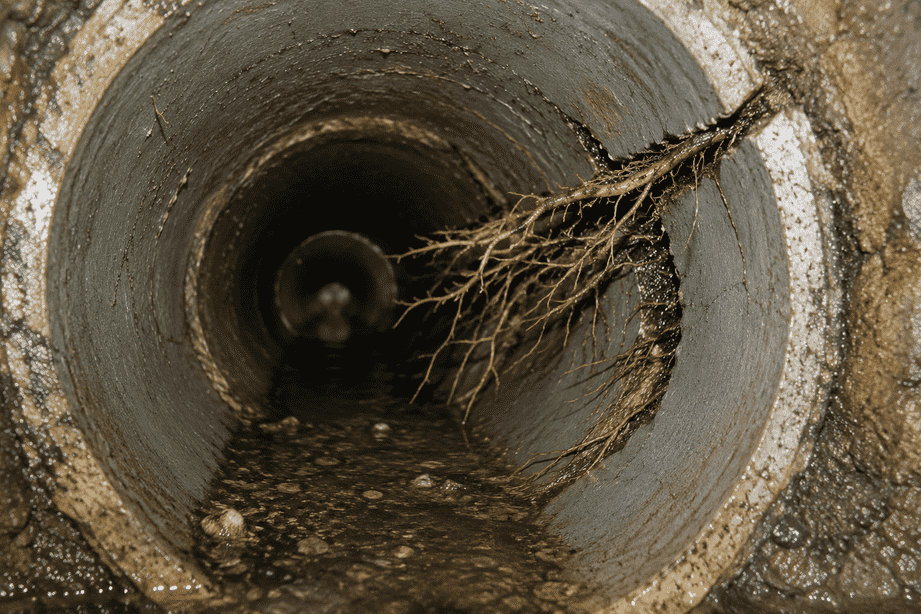
Early symptoms include:
- slow toilets and tubs
- gurgling drains
- recurring clogs that do not resolve permanently
A camera inspection confirms root problems. Cutting heads, rodding, or hydro jetting are used depending on severity.
9. Structural Problems Inside the Pipe
Some slow drains are caused by issues with the pipe itself.
- Pipe Bellies: A sag in the pipe holds water and debris, slowing drainage.
- Cracked or Damaged Sections: Broken sections catch buildup and create resistance.
- Misaligned Joints: Shifts in the pipe allow debris to settle and obstruct flow.
Camera inspections are often required to identify these problems accurately.
10. Partial Sewer Line Blockages
If more than one fixture is slow, the issue likely involves the main sewer line. Partial blockages form gradually from:
- grease buildup
- wipes
- roots
- debris
- collapsed sections
The main sewer line impacts the entire home. Slow drainage in multiple rooms is a clear sign that professional drain cleaning or hydro jetting is needed immediately.
How Slow Drains Lead to Bigger Problems
A slow drain is one of the strongest indicators that the plumbing system is developing a deeper issue. When water no longer moves through the pipe at a normal rate, it means buildup, debris, grease, or early sewer line problems are restricting flow. If the cause is not removed, slow drains become clogged drains, and clogged drains turn into full plumbing failures.
Slow drains often lead to:
- complete blockages in sinks, tubs, showers, and toilets
- sewage backups into bathrooms, basements, and floor drains
- foul odors coming from drains, traps, or the plumbing stack
- water damage in low areas such as basements and laundry rooms
- mold growth around sinks, tubs, and walls
- pressure buildup inside aging or fragile pipes
- hidden leaks behind walls or under floors
- recurring clogs that return more quickly each time
- gurgling, bubbling, and air pressure fluctuations in fixtures.
- drainage issues appearing in multiple rooms
- increased risk of sewer line collapse or root intrusion
- bacteria and biofilm buildup inside the drain system
Every slow drain points to a restriction inside the plumbing system. The longer the water remains in the line, the more material sticks to the pipe walls. This causes the drain to slow even further, eventually resulting in a full blockage or sewer backup.
When to Call a Professional Drain Cleaning Service
You should contact Bee Dry Restoration when any of the following warning signs appear. These symptoms show that the issue is deeper than a simple clog and likely involves buildup, sewer line restrictions, or hidden pipe problems.
Call Bee Dry Restoration if you notice:
- Multiple drains slowing down at the same time
- Gurgling or bubbling sounds while draining
- Sewage or foul odors coming from drains
- Water rising in tubs, showers, or sinks when another fixture runs
- Slow drains that keep returning even after temporary fixes
- Plungers and store-bought cleaners do not help
- Toilet flushes are weak or cause water to rise in nearby fixtures
- Bubbling in the toilet after running the sink or shower
- Water pooling around basement or laundry floor drains
- Any amount of wastewater backing up indoors
- A sudden slow drain after installing heavy-use appliances
- Older plumbing materials such as cast iron or clay sewer lines.
Why These Symptoms Should Not Be Ignored
These symptoms often mean:
- a blockage is located deeper than the fixture
- buildup has coated the inside of the pipe
- multiple branch lines are affected
- roots have entered the sewer line
- the main line is sagging, cracked, or partially collapsed
A slow drain is the first warning. A backup is the expensive result. Bee Dry Restoration of Cleveland has the tools and expertise to clear the line safely before the problem escalates.
How Bee Dry Restoration Fixes Slow Drains
Bee Dry Restoration uses multiple solutions depending on what is slowing the pipe.
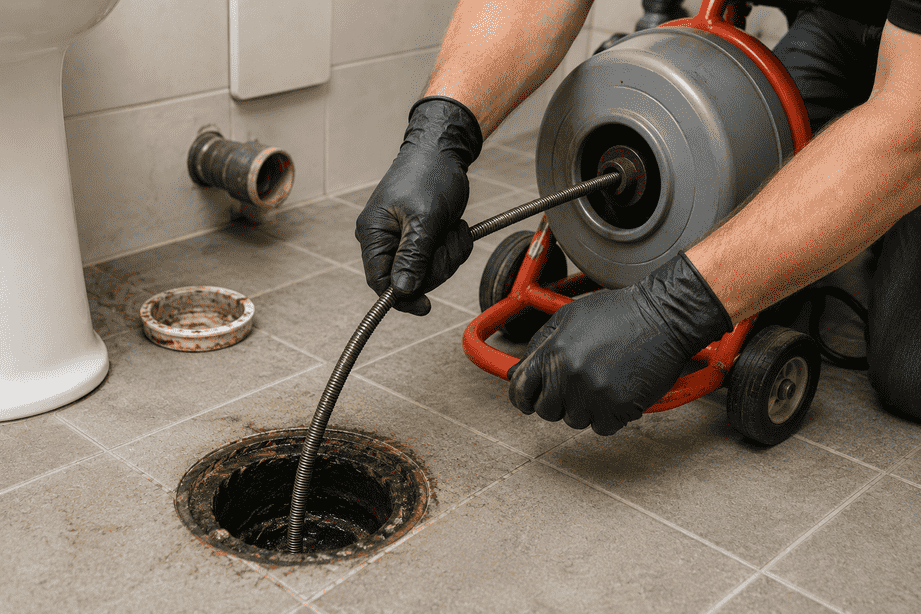
Snaking and Mechanical Clearing
Snaking breaks through:
- hair
- food buildup
- soap residue
- small obstructions
- minor roots
This is ideal for basic slow drain problems.
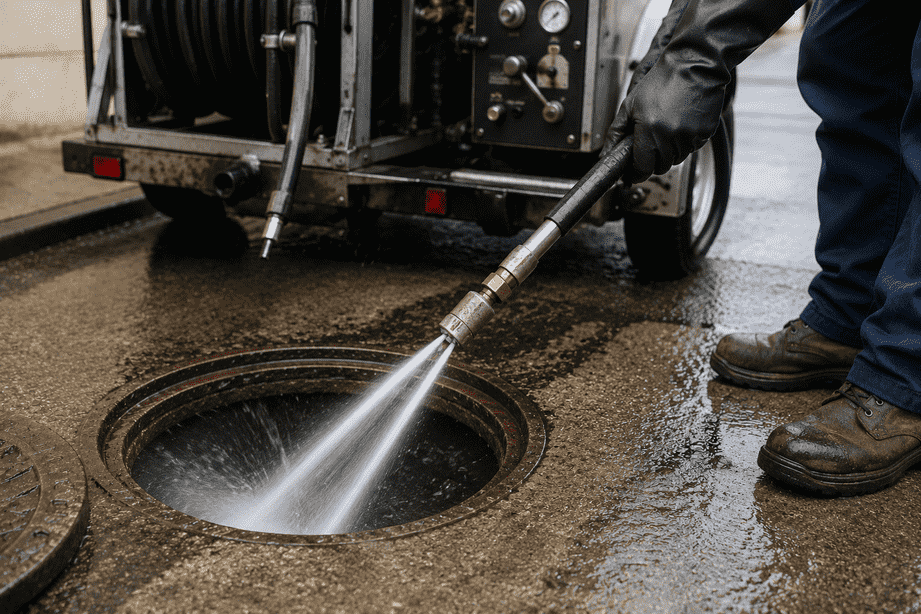
Hydro Jetting for Complete Cleaning
Hydro jetting uses high pressure water to clean the entire pipe interior, removing:
- grease
- sludge
- mineral scale
- thick soap deposits
- deeper buildup
It is one of the best ways to eliminate the cause of recurring slow drains.
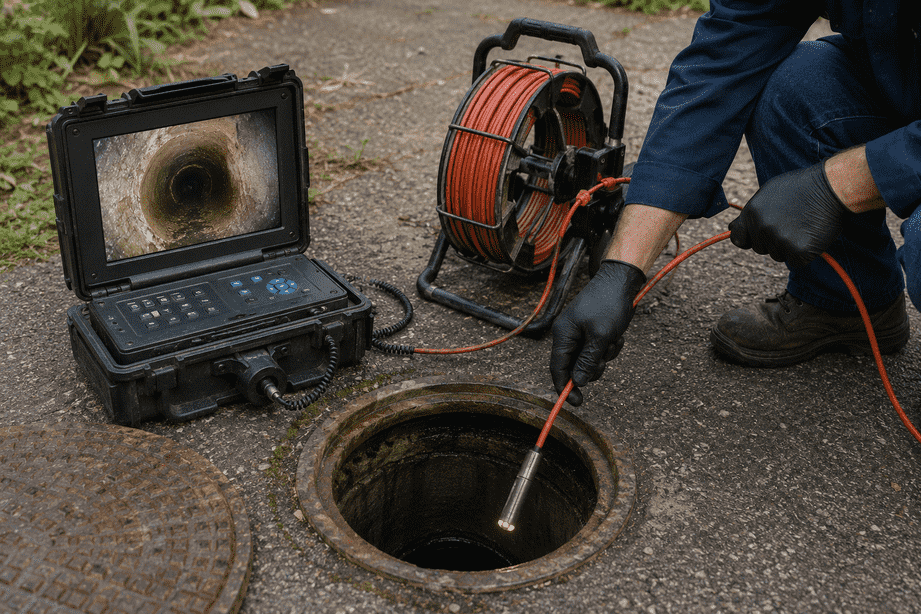
Camera Inspection to Identify Hidden Issues
A drain camera shows exactly what is inside the pipe and helps identify:
- roots
- pipe bellies
- misaligned joints
- cracks
- debris clusters
This identifies the long-term solution for repeated slow drainage.
- Professional Drain Cleaning Equipment: We use commercial-grade snaking, rodding, and hydro jetting tools.
- Experienced Technicians: Our team understands how to diagnose and repair slow drains correctly.
- Clear Recommendations: We choose the safest and most effective solution for each situation.
- Local Trust: Bee Dry Restoration of Cleveland is known for reliable service and effective drain repair.
Frequently Asked Questions
A sink can drain slowly when grease, soap scum, food particles, hair, or mineral deposits gradually build up along the pipe walls. Even without a complete blockage, this buildup restricts water flow and often worsens over time.
Yes. Hard water contains minerals such as calcium and magnesium that can accumulate inside pipes. Over time, mineral scale narrows the pipe diameter, reduces water flow, and contributes to recurring slow drain problems.
Slow drains after heavy rainfall can indicate a partially blocked sewer line, root intrusion, or excess groundwater affecting the plumbing system. If multiple fixtures drain slowly after storms, a sewer line inspection may be necessary.
Yes. Hydro jetting uses high-pressure water to remove grease, sludge, soap buildup, mineral deposits, and debris from pipe walls. It is often more effective than traditional drain snaking for recurring drain problems.
Most homes benefit from professional drain cleaning every 1 to 2 years. Properties with older plumbing, large households, heavy kitchen use, or recurring slow drain issues may require more frequent maintenance.
Professional drain cleaning may be needed if drains repeatedly slow down, multiple fixtures are affected, foul odors develop, water backs up, or DIY methods only provide temporary relief. These signs often indicate a deeper blockage or sewer line issue.