A sewage smell in a crawl space is commonly caused by a broken sewer line, leaking drain pipe, sewer gas intrusion, standing water, mold growth, animal waste, poor ventilation, or septic system problems. The odor should never be ignored because it can indicate plumbing damage, moisture issues, poor indoor air quality, and potential health risks.
Nobody Expects Their Crawl Space to Smell Like Sewage
A foul sewage odor coming from beneath your home is one of those problems homeowners often hope will disappear on its own.
Unfortunately, sewer smells rarely resolve themselves.
In many cases, a sewage smell in a crawl space is an early warning sign of a plumbing leak, damaged sewer line, excessive moisture, mold growth, or sewer gas intrusion. What starts as an unpleasant odor can quickly develop into structural damage, poor indoor air quality, mold contamination, and expensive repairs.
Because crawl spaces are hidden areas, problems can remain unnoticed for weeks or months. During that time, moisture, bacteria, and sewer gases can spread throughout the home.
At Bee Dry Restoration of Cleveland, we regularly inspect crawl spaces where homeowners initially report “just a smell” only to discover hidden water damage, leaking pipes, mold colonies, or deteriorating sewer lines.
Understanding the source of the odor is the first step toward protecting your home and restoring healthy indoor air quality.
What Causes a Sewage Smell in a Crawl Space?
Several issues can create sewer-like odors beneath your home.
Some causes involve plumbing failures, while others involve moisture problems, biological growth, or ventilation deficiencies.
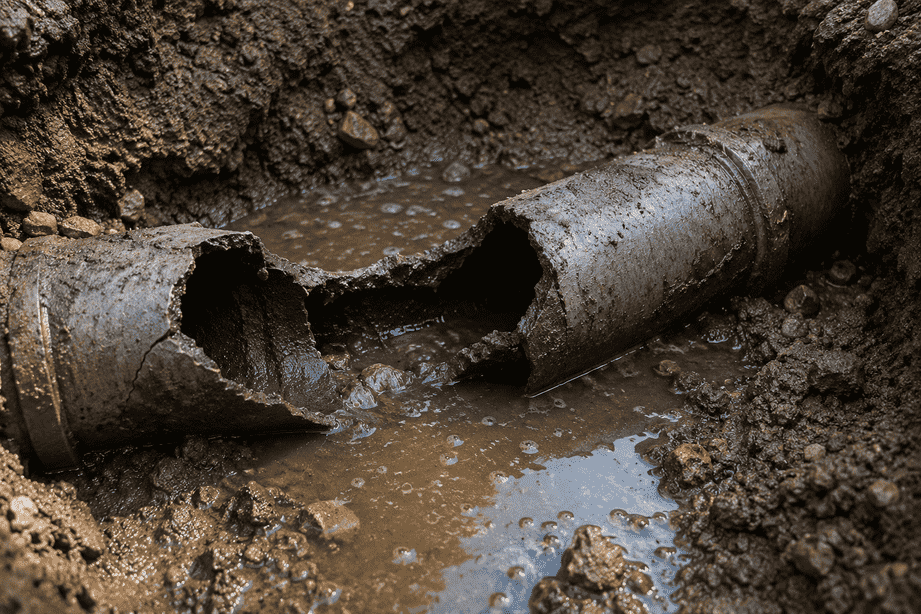
Broken Sewer Line
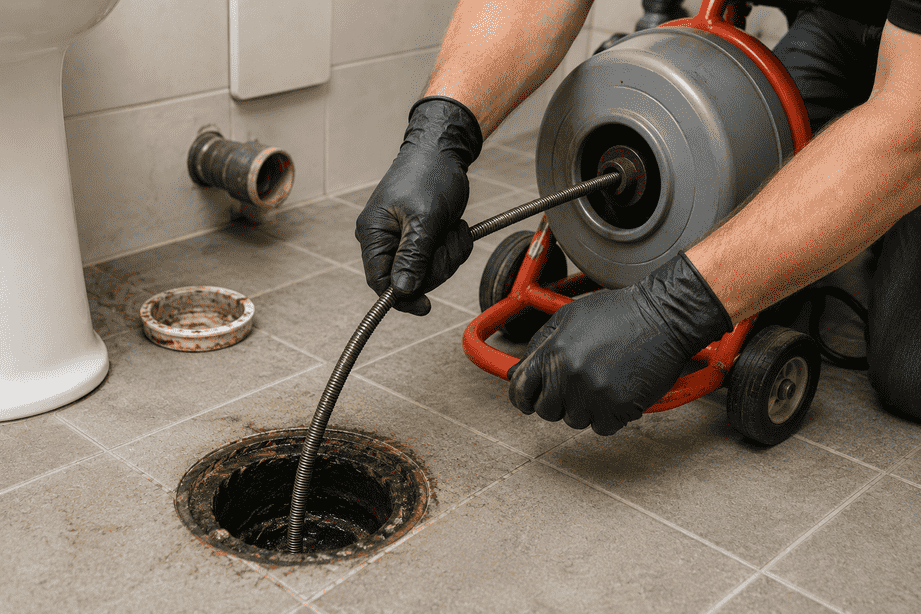
A damaged sewer line is one of the most common reasons for sewage odors in a crawl space.
Older sewer pipes can crack, corrode, separate, or collapse over time. When this happens, wastewater and sewer gases can escape beneath the home.
Common causes include:
- Aging cast iron pipes
- Pipe corrosion
- Ground movement
- Tree root intrusion
- Freeze-thaw cycles
- Improper pipe installation
A broken sewer line may also cause:
- Slow drains
- Gurgling toilets
- Sewer backups
- Soft spots in the yard
- Increased pest activity
Because sewer leaks often occur below the floor, many homeowners first notice the smell before they notice any visible damage.
Leaking Drain Pipes
Not every sewage odor originates from the main sewer line.
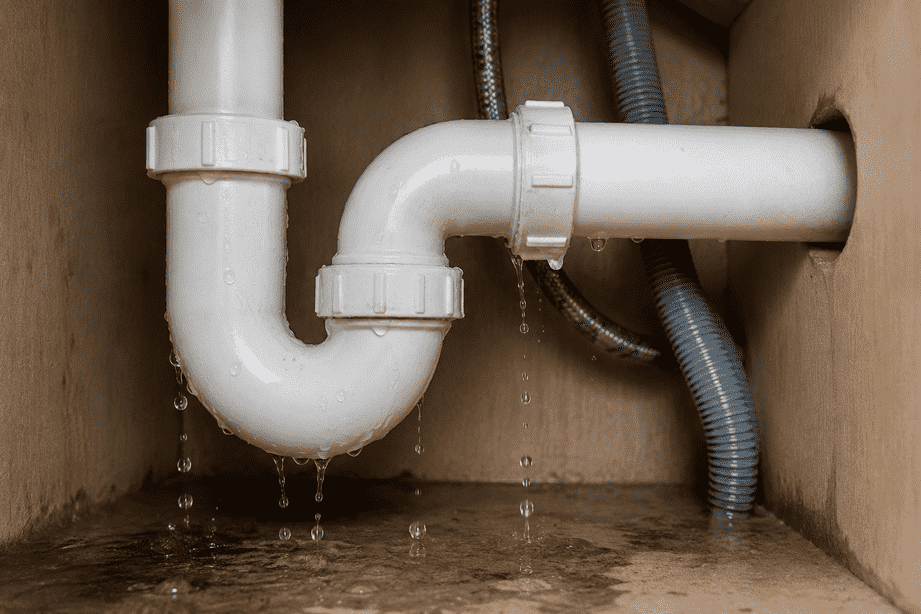
Leaking drain pipes beneath sinks, showers, bathtubs, washing machines, or bathrooms can release wastewater into the crawl space.
Even a small leak can create:
- Bacterial growth
- Persistent odors
- Wood rot
- Mold growth
- Elevated humidity
Over time, moisture can soak insulation, floor joists, and subflooring, leading to costly structural repairs.
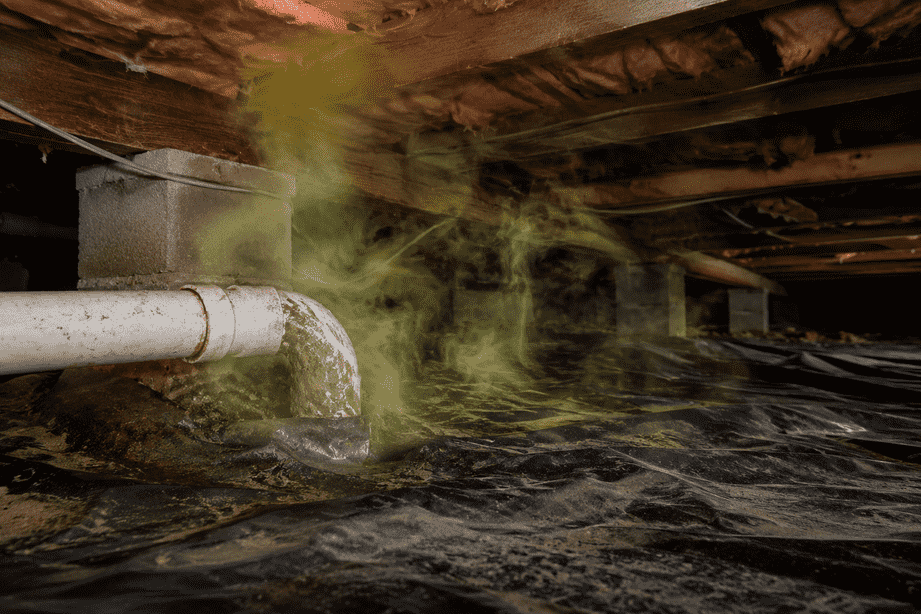
Sewer Gas Entering the Crawl Space
Many homeowners describe the smell as rotten eggs.
That odor is often sewer gas.
Sewer gas is a mixture of gases produced by decomposing waste inside the plumbing system.
Common sources include:
- Dry P-traps
- Cracked pipes
- Damaged plumbing vents
- Broken cleanout caps
- Loose pipe connections
When plumbing components fail, sewer gas can escape into the crawl space and eventually migrate into living areas.
Standing Water in the Crawl Space
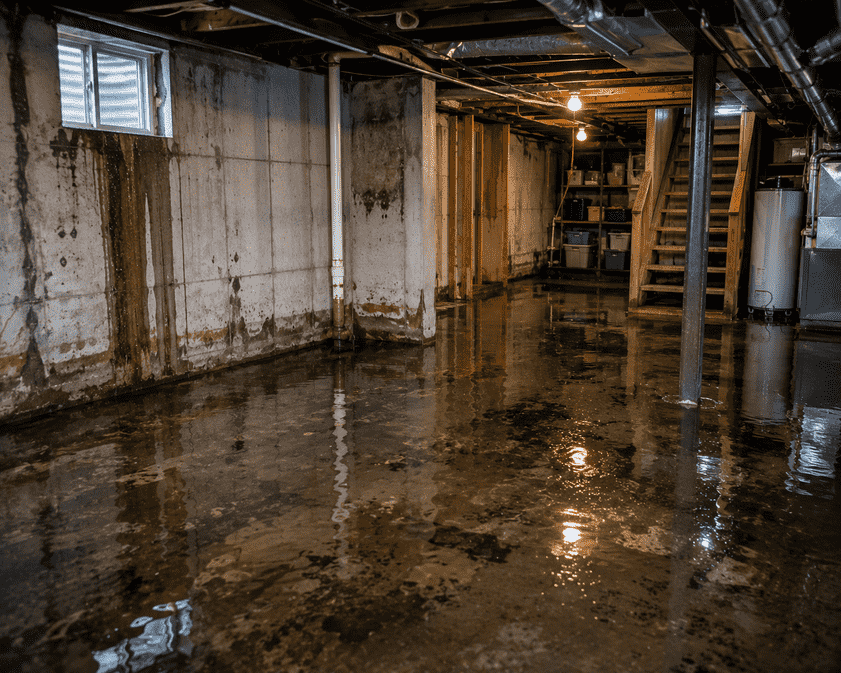
Standing water creates ideal conditions for foul odors.
When water accumulates beneath a home, bacteria begin feeding on organic materials such as:
- Soil
- Wood
- Debris
- Insulation
- Animal waste
As decomposition occurs, strong odors develop.
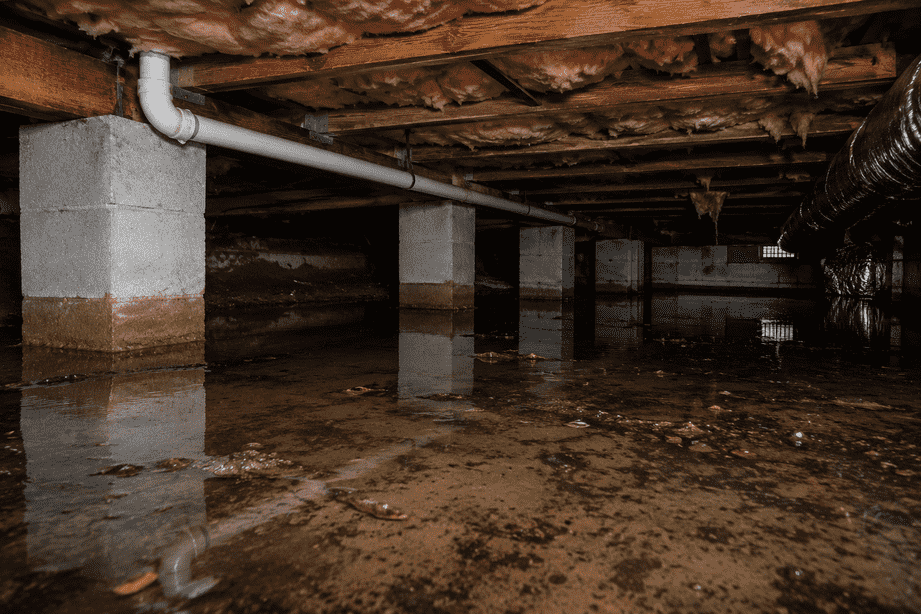
Standing water often results from:
- Foundation drainage problems
- Heavy rainfall
- Flooding
- Groundwater intrusion
- Plumbing leaks
- Sump pump failures
Many homeowners initially mistake these odors for a direct sewage leak.
Mold and Mildew Growth
A damp crawl space creates the perfect environment for mold growth.
Although mold odors are often described as musty, severe mold contamination can produce odors that resemble sewage or decay.
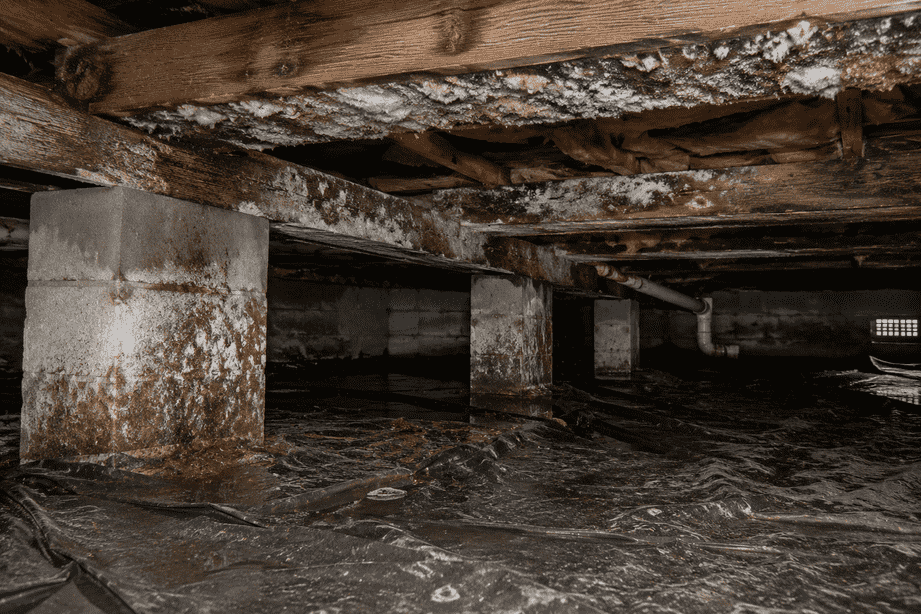
Mold commonly develops when:
- Humidity remains high
- Water leaks are present
- Ventilation is poor
- Standing water exists
Besides creating unpleasant odors, mold can impact indoor air quality and trigger respiratory symptoms.
Animal Waste or Dead Animals
Wildlife frequently enters crawl spaces.
Common intruders include:
- Mice
- Rats
- Squirrels
- Raccoons
- Opossums
Animal droppings, urine, nesting materials, and decomposing carcasses can create odors that closely resemble sewage.
In some situations, pest infestations may be responsible for the smell rather than plumbing issues.
Septic System Problems
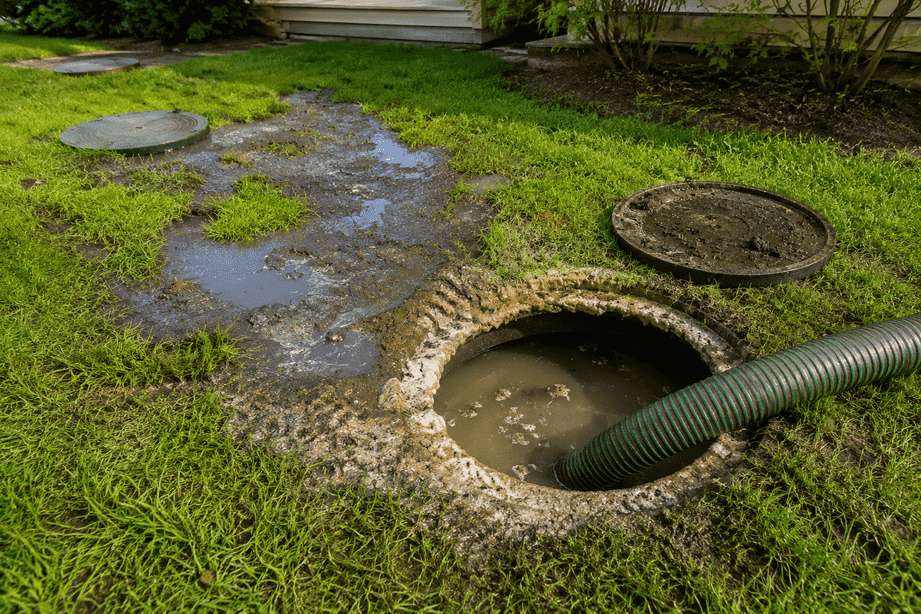
Homes with septic systems may experience sewage odors when the septic tank or drain field malfunctions.
Potential causes include:
- Septic backups
- Full septic tanks
- Drain field failures
- Broken septic lines
Wastewater may seep into the crawl space or surrounding soil, producing strong sewage odors.
Why Sewage Smells Should Never Be Ignored
Many homeowners attempt to mask odors with air fresheners or deodorizers.
Unfortunately, covering the smell does not solve the underlying problem.
Ignoring sewage odors can lead to:
Structural Damage
Moisture from leaking pipes or sewage can damage:
- Floor joists
- Support beams
- Subflooring
- Insulation
- Foundation materials
Long-term exposure may compromise structural integrity.
Mold Growth
Moist environments promote mold colonization.
Mold spreads rapidly and can contaminate large areas of a home if moisture sources are not addressed.
Poor Indoor Air Quality
Air naturally moves upward through a process called the stack effect.
This means air from the crawl space can enter living areas.
Contaminated crawl space air may carry:
- Mold spores
- Bacteria
- Allergens
- Sewer gases
- Odors
Health Concerns
Sewer gases and biological contaminants may contribute to:
- Headaches
- Nausea
- Dizziness
- Eye irritation
- Respiratory irritation
- Allergy symptoms
- Asthma flare-ups
Individuals with respiratory conditions, young children, and older adults may be especially vulnerable.
How Professionals Diagnose a Sewage Smell in a Crawl Space
Finding the exact source of a sewage odor requires more than simply locating the smell. At Bee Dry Restoration of Cleveland, inspections focus on identifying hidden moisture, plumbing defects, mold growth, and other conditions that may be contributing to the problem.
Moisture Detection
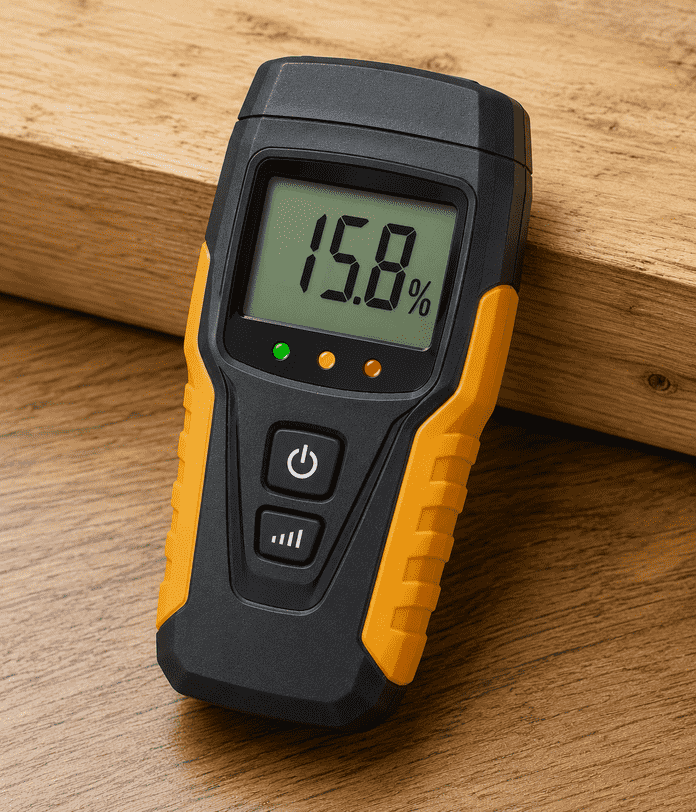
Professional moisture meters and detection equipment help locate hidden water intrusion, wet insulation, saturated building materials, and elevated humidity levels that may be creating conditions for odors, mold growth, and structural damage.
Plumbing Inspection
A thorough plumbing inspection evaluates sewer lines, drain pipes, vent stacks, cleanouts, and pipe connections for leaks, damage, blockages, or other defects that may allow wastewater or sewer gases to escape beneath the home.
Sewer Camera Inspection
Video camera inspections provide a detailed view inside sewer lines to identify cracks, root intrusion, pipe separations, blockages, or collapsed sections that may be responsible for persistent sewage odors.
Mold Assessment
Inspectors evaluate the crawl space for visible mold growth, moisture-related conditions, contamination concerns, and indoor air quality issues that may contribute to unpleasant odors and unhealthy conditions.
Crawl Space Evaluation
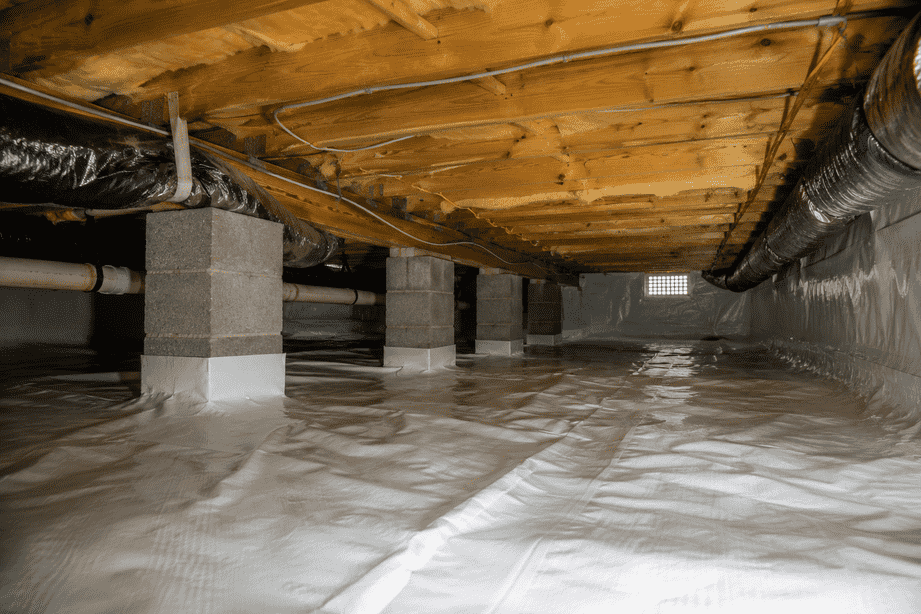
A complete crawl space assessment examines drainage conditions, ventilation, vapor barriers, structural components, and signs of pest activity to identify factors that may be contributing to moisture buildup and sewer-like smells.
How to Eliminate Sewage Odors in a Crawl Space
- Repair Damaged Sewer Lines: Repairing damaged sewer lines or drain pipes stops wastewater leaks and sewer gas intrusion.
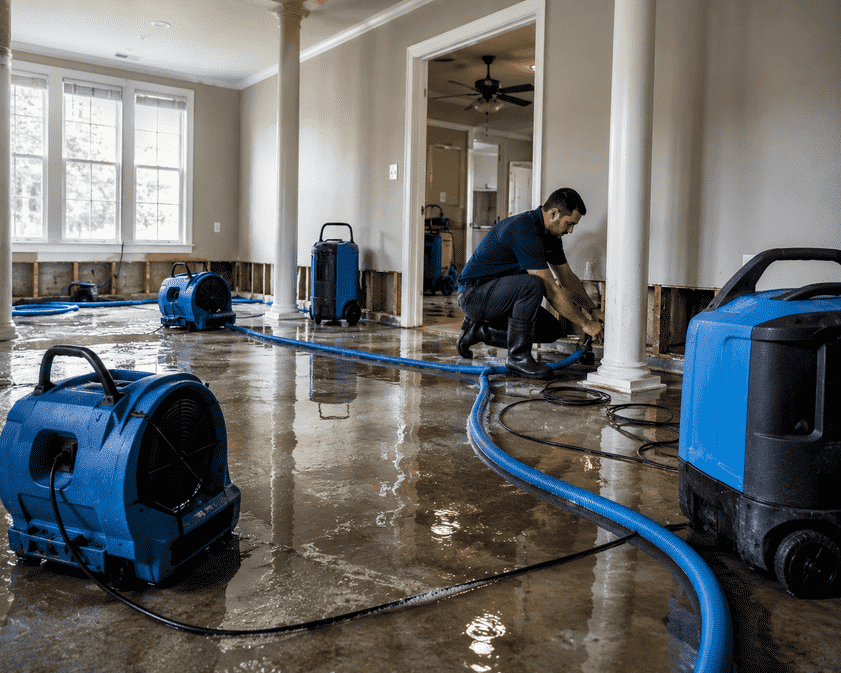
- Remove Water and Moisture: Water extraction and drainage improvements help eliminate moisture that contributes to odors and mold growth.
- Dry Structural Materials: Professional drying removes trapped moisture from wood, insulation, and subflooring.
- Address Mold Growth: Mold remediation removes odor-producing contamination and helps improve indoor air quality.
- Encapsulate the Crawl Space: Encapsulation helps block ground moisture and reduce humidity-related odors.
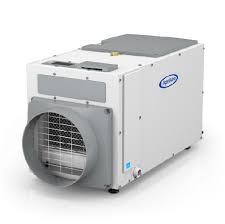
- Install a Crawl Space Dehumidifier: A dehumidifier helps control humidity and prevent moisture buildup year-round.
How Cleveland Weather Contributes to Crawl Space Problems
Northeast Ohio presents unique challenges for crawl spaces.
Several local factors increase the likelihood of moisture and sewer-related issues:
- Heavy Rainfall: Frequent rain can saturate soil around foundations and contribute to groundwater intrusion.
- Snow Melt: Rapid snow melt can overwhelm drainage systems and increase crawl space moisture.
- Freeze-Thaw Cycles: Winter temperature swings can stress underground pipes and increase the risk of cracks and leaks.
- High Humidity: Warm summer months often raise crawl space humidity levels, creating ideal conditions for mold growth.
These factors make regular crawl space inspections especially important for Cleveland homeowners.
When Should You Call a Professional?
Contact a professional immediately if you notice:
- Persistent sewage odors
- Standing water
- Mold growth
- Soft or sagging floors
- Sewer backups
- Frequent drain clogs
- Elevated humidity
- Water-damaged insulation
The longer these issues remain unresolved, the greater the risk of structural damage and costly repairs.
Trust Bee Dry Restoration of Cleveland for Crawl Space Odor Problems
A sewage smell in your crawl space is often a symptom of a larger issue hiding beneath your home. Whether the cause is a broken sewer line, plumbing leak, standing water, mold growth, sewer gas intrusion, or crawl space moisture problem, prompt action is essential.
Bee Dry Restoration of Cleveland provides professional crawl space inspections, water damage restoration, structural drying, mold remediation, moisture control, and crawl space solutions throughout Northeast Ohio. Our team identifies the source of the odor, addresses the underlying cause, and helps restore a healthier environment for your home and family.
If your crawl space smells like sewage, contact Bee Dry Restoration of Cleveland today for a professional inspection and expert restoration services.
Frequently Asked Questions
A sewage smell in a crawl space can occur even when sinks, showers, and toilets drain normally. Common causes include a cracked sewer line, leaking drain pipe, damaged plumbing vent, sewer gas intrusion, standing water, or hidden moisture beneath the home. A professional crawl space inspection can identify the source before it causes structural damage or mold growth.
Yes. A broken sewer line is one of the most common causes of sewage odors in crawl spaces. Cracked, separated, or deteriorated sewer pipes can release wastewater and sewer gases beneath the home, creating persistent odors and increasing the risk of water damage, mold growth, and foundation issues.
Higher temperatures accelerate bacterial activity and organic decomposition, which can intensify sewage-like odors. Summer humidity can also increase moisture levels in crawl spaces, making odors from mold, standing water, sewer leaks, and animal waste more noticeable throughout the home.
Mold typically produces a musty, earthy odor, while sewer-related problems often create a rotten egg, sulfur, or sewage smell. However, severe mold growth, standing water, and bacterial contamination can sometimes create similar odors, making professional inspection important for accurate diagnosis.
Common signs include a rotten egg smell, sulfur odor, headaches, nausea, dizziness, increased humidity, recurring indoor odors, and unexplained air quality concerns. Sewer gas may enter a crawl space through damaged pipes, dry traps, broken vent stacks, or sewer line leaks.
Professionals typically use moisture meters, sewer camera inspections, leak detection equipment, humidity testing, and visual inspections to identify the source of odors. This process helps determine whether the problem is related to sewer line damage, plumbing leaks, standing water, mold contamination, or ventilation issues.
You should contact a professional if the odor persists for more than a few days, becomes stronger over time, or is accompanied by signs of water damage, mold growth, standing water, soft floors, slow drains, or sewer backups. Early intervention can help prevent costly repairs and improve indoor air quality.