To remove smoke smell effectively, deep clean all surfaces, wash soft fabrics, replace air filters, and use ozone or hydroxyl treatments. Smoke odor lingers because soot particles embed in walls, fabrics, and HVAC systems. Professional restoration by certified technicians ensures permanent odor removal.
Why Smoke Odor Doesn’t Go Away Easily
After a fire, cigarette use, or cooking incident, the smoke smell can feel impossible to eliminate. The reason? Smoke odor is not just airborne, it’s absorbed deep into porous materials like drywall, carpet, insulation, and upholstery.
Each smoke particle carries microscopic soot, oils, and volatile organic compounds (VOCs) that chemically bond to surfaces. Regular cleaning and air fresheners might mask the odor temporarily, but unless you remove those residues, the smell always returns, especially on humid days.
At Bee Dry, we specialize in smoke odor removal and fire damage restoration for Northeast Ohio homes. Our team has seen every kind of smoke contamination from mild kitchen fires to full-structure burns and we know what it takes to make a house smell clean and safe again.

How Long Does Smoke Odor Last Without Treatment?
Smoke odor can linger for weeks, months, or even years without proper remediation.
Light smoke exposure might fade slowly, but heavy soot infiltration often requires professional cleaning and deodorization.
For example:
- Cigarette smoke can saturate drywall and HVAC ducts in a few months.
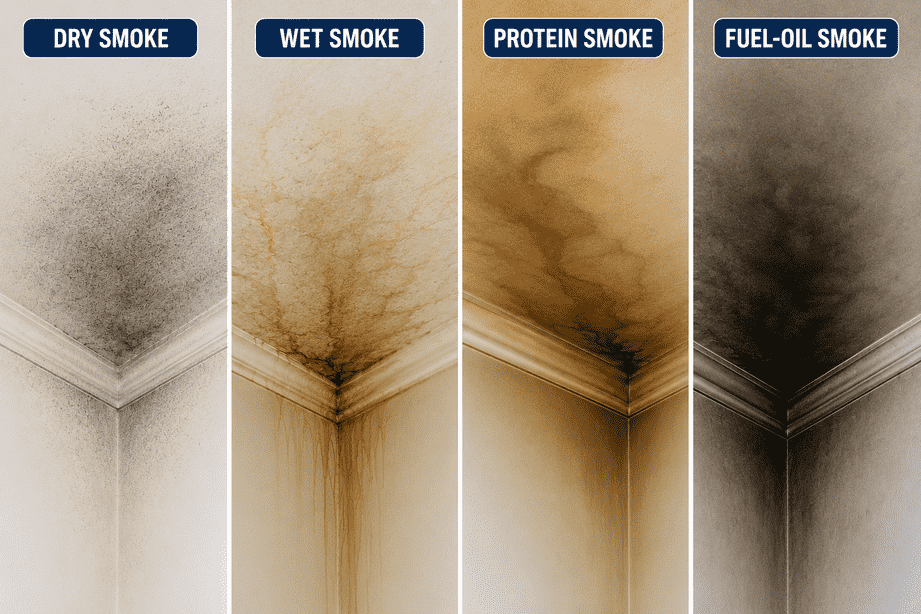
- Cooking smoke (protein smoke) leaves oily films that stick indefinitely.
- Fire smoke from wood or plastics can remain active for years inside walls and insulation.
The key to removing the odor is eliminating it at its chemical source, not covering it up.
Step-by-Step: How to Get Rid of Smoke Smell in Your Home
The process requires a combination of deep cleaning, odor neutralization, and air purification. Below is an expert breakdown you can follow or use to understand what professionals like Bee Dry Restoration do during smoke odor removal.
Ventilate and Purify the Air
Start by airing out the home to reduce initial odor concentration:
- Open all windows and doors to promote cross-ventilation.
- Use HEPA air purifiers to trap fine soot and smoke particles.
- Replace HVAC filters immediately, since they hold odor particles.
- Run the system on “fan” mode with a clean filter to circulate fresh air.
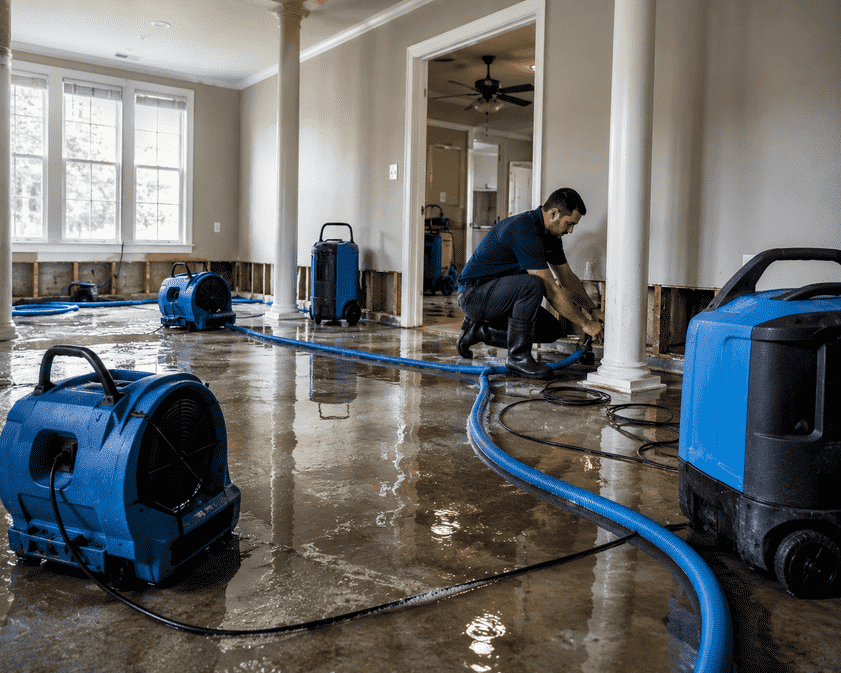
Bee Dry uses industrial air scrubbers with HEPA and activated carbon filters to remove both particulate matter and chemical vapors.
Wash or Replace Soft Materials
Soft materials are the hardest to restore because they absorb and hold odor.
Washable items:
- Wash curtains, bedding, and clothing using vinegar or baking soda additives.
- Repeat cycles until odor disappears.
Non-washable items:
- Upholstery, cushions, and carpets require steam cleaning or ozone treatment.
- If odor persists, padding or fabric replacement may be necessary.
Bee Dry Restoration uses thermal fogging and hydroxyl machines to deodorize fabrics and furniture at the molecular level, a method that’s safe for both people and pets.
Deep Clean Hard Surfaces
Soot and smoke residue stick to every surface; walls, ceilings, counters, and flooring.
DIY cleaning steps for light smoke exposure:
- Use dry chemical sponges (made for soot removal) to wipe walls.
- Follow with a mixture of warm water and mild alkaline cleaner (or TSP substitute).
- Rinse with clean water and dry thoroughly.
Avoid bleach or ammonia, which can worsen discoloration or corrosion.
For heavy contamination, professionals perform chemical neutralization using restoration-grade cleaning agents that break down carbon bonds, permanently removing odor sources.
Clean HVAC Systems and Ductwork
Smoke often hides in your air ducts, filters, and coils. When your HVAC runs, it redistributes odor throughout the house.
Professional HVAC cleaning includes:
- Replacing filters
- Cleaning duct interiors
- Sanitizing coils and blower components
- Deodorizing with HEPA air scrubbers or fogging agents
This step alone often eliminates 50–70% of lingering odor sources.
Use Professional Odor Neutralizers
The most effective methods for deep smoke odor elimination involve oxidation and molecular neutralization:
- Ozone Treatment: Ozone gas reacts with odor molecules, breaking them apart chemically. It’s powerful but should only be done by certified professionals, as exposure can be harmful during treatment.
- Hydroxyl Treatment: Hydroxyl radicals naturally oxidize odor molecules without harming fabrics, electronics, or humans, perfect for occupied homes.
- Thermal Fogging: Heats deodorizing agents to microscopic vapor that penetrates walls, carpets, and upholstery, neutralizing odor deep inside.
Bee Dry Restoration of Cleveland uses these technologies together for total odor eradication, not just masking.
Seal and Repaint Surfaces
After odor treatment, repainting walls or ceilings may still be necessary. However, seal first, paint later:
- Apply an odor-blocking primer (such as shellac-based or alkyd).
- Then paint with high-quality latex to seal surfaces fully.
Painting before sealing traps the odor inside and allows it to resurface later.

Professional vs. DIY Smoke Odor Removal
While light smoke exposure from candles or minor cooking may be manageable with ventilation and cleaning, heavy fire or nicotine odor requires professional remediation.
Here’s why:
Aspect | DIY Cleaning | Professional Restoration (Bee Dry) |
Reach | Surface-level | Deep penetration, odor source elimination |
Tools | Household cleaners | Ozone, hydroxyl, HEPA systems |
Safety | Limited control | Certified and insured technicians |
Time | Weeks of effort | 1–3 days for complete deodorization |
Results | Temporary | Permanent odor removal |
Hiring a certified restoration company ensures complete removal of both smell and airborne contaminants.
The timeline varies by size and severity of contamination:
Damage Level | Approximate Duration |
Light smoke or cooking odor | 1–2 days |
Moderate home contamination | 3–5 days |
Heavy fire or structural smoke | 1–2 weeks |
Bee Dry Restoration provides rapid response and same-day inspections for Cleveland homeowners to minimize downtime and secondary damage.
Common Mistakes That Make Smoke Odor Worse
- Using air fresheners or candles masks odor instead of removing it
- Delaying cleaning allows smoke residue to set deeper into materials
- Using water on soot-covered surfaces spreads oily residue and makes staining worse
- Skipping HVAC cleaning causes smoke odor to keep circulating through the home
- Painting over smoke stains locks odor inside walls instead of eliminating it
- Wiping soot without proper technique smears contamination across larger areas
- Using household cleaners not designed for smoke damage can set stains permanently
- Opening windows too early can push smoke particles deeper into walls and insulation
- Ignoring soft materials like carpets, curtains, and furniture where odor heavily embeds
- Not replacing or cleaning air filters after a fire allows odor to linger in the system
- Turning on HVAC systems too soon spreads smoke particles throughout the property
- Assuming the smell will fade over time when it typically gets worse without proper treatment
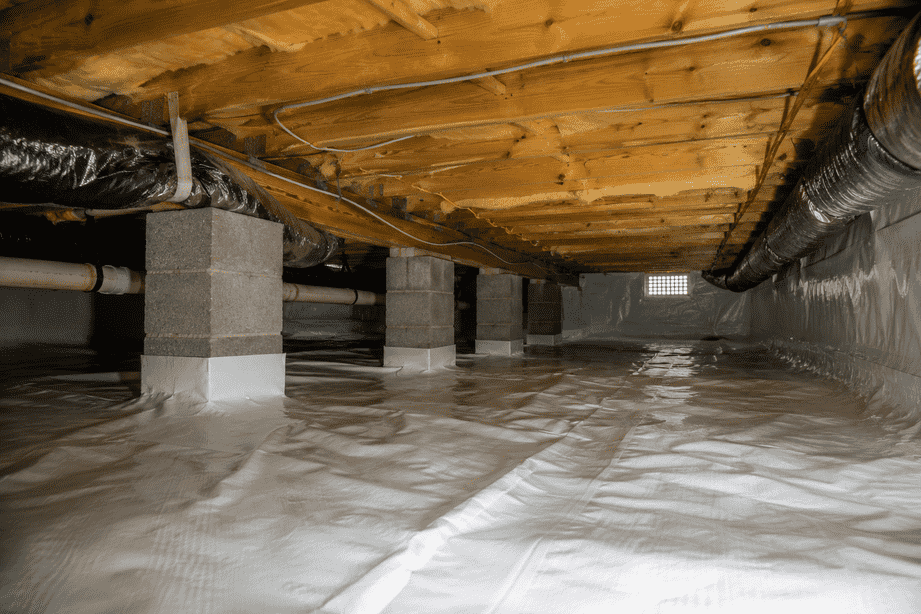
- Only cleaning visible areas while hidden contamination remains in subfloors and wall cavities
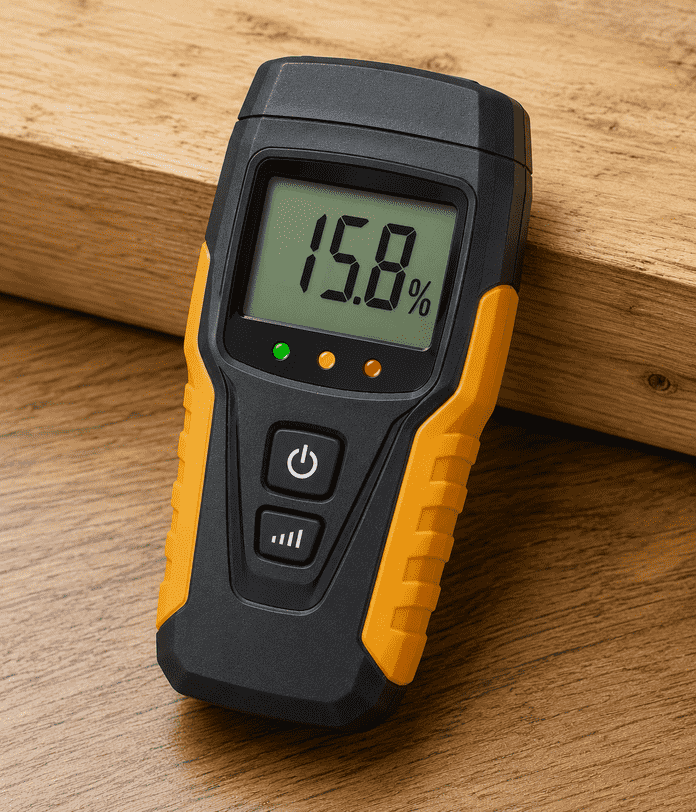
- Not addressing humidity levels, which can cause trapped smoke odor to re-release
Professional smoke and soot removal uses targeted, science-based methods to eliminate odor at the source, not just cover it up.
Health Risks of Lingering Smoke Odor
Even when you can’t see smoke, it can still be affecting your health. Lingering odor means toxic compounds remain in the air.
Common symptoms from chronic smoke exposure include:
- Coughing or throat irritation
- Headaches or dizziness
- Skin irritation
- Worsened asthma or allergies
- Fatigue or nausea
Children, seniors, and those with respiratory issues are especially vulnerable. That’s why smoke odor removal isn’t just cosmetic, it’s a health necessity.
Why Choose Bee Dry Restoration of Cleveland
As Cleveland’s trusted fire and smoke damage restoration experts, Bee Dry Restoration provides:
- IICRC-certified technicians trained in advanced smoke remediation
- 24/7 emergency response for fire cleanup and odor removal
- HEPA air filtration, ozone, and hydroxyl technologies
- Safe, environmentally responsible deodorization
- Free inspections and transparent cost estimates
We serve Cleveland, Mentor, Chardon, and surrounding Northeast Ohio communities, restoring homes safely and quickly.
Removing smoke odor effectively means doing more than just masking the smell, it means addressing the problem at its source. From soot removal to HVAC cleaning and ozone treatment, every step plays a role in restoring your home’s air quality.
Call Bee Dry Restoration today for professional smoke odor removal services across Cleveland and Northeast Ohio.
Frequently Asked Questions
Permanent odor removal requires ozone or hydroxyl treatment, deep cleaning, and sealing surfaces by professionals.
No. Without cleaning and deodorization, odor molecules remain trapped in materials for months or years.
Professional-grade ozone and hydroxyl systems are most effective; vinegar or baking soda may help only temporarily.
HEPA filters capture particles, but carbon filters or ozone treatment are needed to eliminate odors completely.
They use HEPA vacuums, chemical sponges, and oxidizing treatments to remove soot and neutralize odor molecules.
Only after odor is neutralized. Always apply an odor-blocking primer before repainting.
No. Lingering odor means soot and VOCs are still in the air, which can cause respiratory irritation.
In Cleveland, average prices range from $2,500 to $7,500, depending on home size and severity.