A musty odor that won’t quit. Dark staining along a baseboard. Condensation around windows or a past leak that “looked dry” but never really was. It’s normal to try quick fixes: spraying bleach, pointing a box fan, cracking a window. But if the smell returns or the stain grows, you’re right to wonder what to do next.
Understanding the mold remediation process is the fastest path from confusion to a safe, lasting solution: find the moisture, contain the area, remove contaminated materials correctly, dry the structure to measurable targets, and fix the cause so it doesn’t come back. If you’d like a certified team to handle it end-to-end, Bee Dry is ready to help.
Mold 101: Why It Keeps Coming Back
Mold isn’t the root problem, moisture is. Spores exist naturally, but they colonize when building materials stay damp. Porous surfaces like drywall, carpet pad, and insulation become ideal food sources, and airflow from fans can spread spores if the area isn’t contained. Real remediation targets all three pillars:
- Source: stop leaks, intrusion, or high humidity.
- Growth: remove colonized materials where needed; clean remaining surfaces correctly.
- Conditions: dry the structure to safe moisture levels and maintain them.
When any pillar is ignored, the problem returns often behind walls or under floors where you can’t see it.
Why Mold Is a Serious Issue
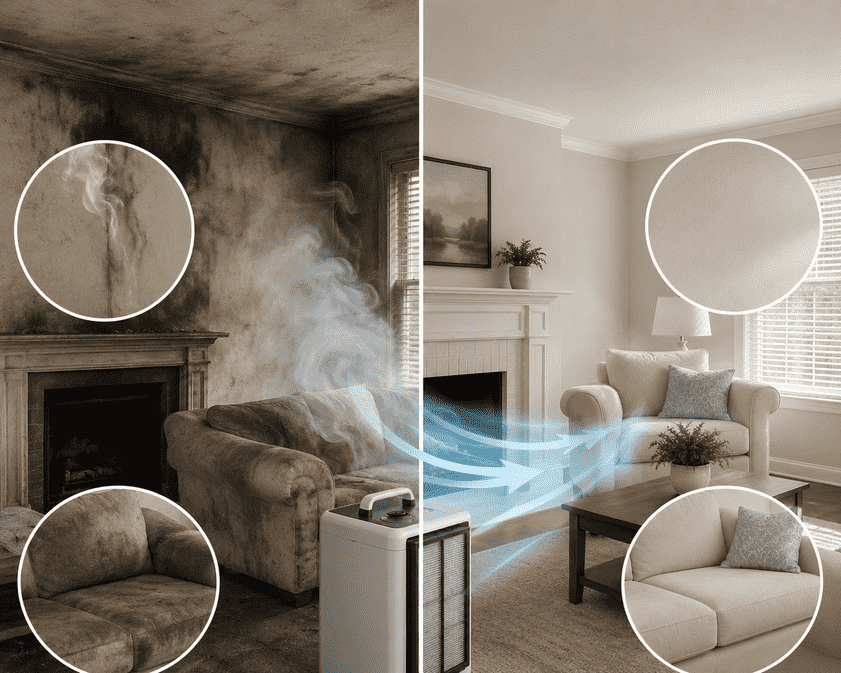
Mold is a fungus that grows in areas with moisture and high humidity, feeding on materials like drywall, wood, and fabric. It can damage surfaces and affect indoor air quality, leading to allergy and respiratory issues. Controlling moisture through proper ventilation, dehumidification, and quick water damage cleanup is key. If you notice visible mold or musty odors, a professional inspection and remediation is recommended instead of surface cleaning.
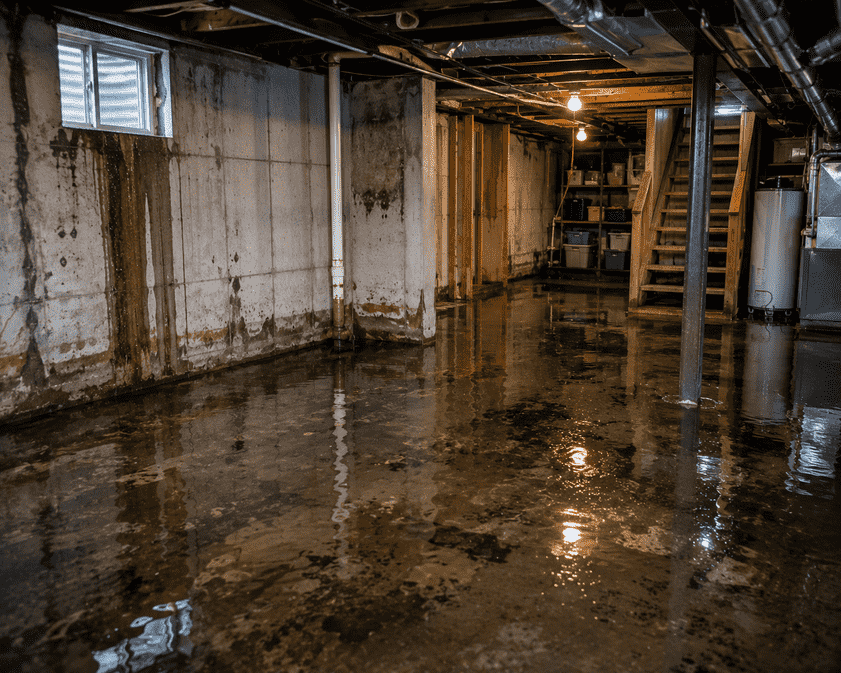
Seasonal moisture, temperature changes, and excess humidity can lead to leaks and condensation in basements, crawl spaces, and around poorly insulated areas. Issues like heavy rain, sump pump failure, or power outages can quickly make conditions worse and allow mold to spread.
If you suspect mold or have had recent water damage, professional mold removal and restoration services can stop the spread and protect your property. Bee Dry Restoration of Cleveland provides fast response and certified mold remediation in North Carolina to handle the problem the right way.
Signs of Mold and Common Causes
Recognizing Mold in Your Home
Mold often announces itself through its musty, earthy smell. Visible mold may appear as black, green, brown or white patches on walls, ceilings or floors. Mold can grow on paper, fabric, wallpaper glue, sheetrock and wood when moisture is present. It thrives in bathrooms, kitchens, basements, crawl spaces and around windows. Other signs include:
- Stained or discolored surfaces: Dark streaks on walls or ceilings may indicate hidden mold behind drywall.
- Peeling or bubbling paint: Moisture trapped behind paint can foster mold growth.
- Persistent allergy symptoms: Sneezing, coughing and itchy eyes that improve when you leave the house may signal mold exposure.
- Warped or rotting materials: Wood floors and baseboards that warp or rot from water damage can harbor mold.
Sources of Moisture and Mold Growth
Mold spores are ubiquitous, but they need moisture to grow. The EPA notes that moisture problems can stem from roof leaks, landscaping that directs water toward a building, unvented combustion appliances and insufficient maintenance. In Cleveland, common causes include:
- Basement leaks or flooding: High groundwater levels and heavy rain can lead to water seepage through foundation walls.
- Roof leaks: Ice dams from freezing and thawing cycles can cause water to back up under shingles and penetrate attic spaces.
- Plumbing leaks: Old copper or galvanized steel pipes may corrode and leak inside walls or under floors.
- Condensation: High indoor humidity combined with poor insulation causes condensation on windows, pipes and walls.
- Poor ventilation: Inadequate ventilation in bathrooms, kitchens and attics traps moisture.
By identifying these sources, homeowners can address underlying issues as part of their mold remediation strategy.
Mold Remediation Process
The mold remediation process is a structured approach to safely remove mold, address the source of moisture, and prevent future growth.
Inspection identifies visible and hidden mold using moisture meters and thermal imaging. Affected areas are then sealed off to prevent spores from spreading during remediation.
Mold remediation can release harmful spores, so proper PPE is essential. Technicians use respirators, gloves, goggles, and protective suits to prevent exposure and stop spores from spreading to clean areas.
Mold-damaged porous materials like drywall, carpet, and insulation are removed and safely bagged. Non-porous surfaces are cleaned with antimicrobial solutions, then HEPA vacuumed to remove remaining spores and improve air quality.
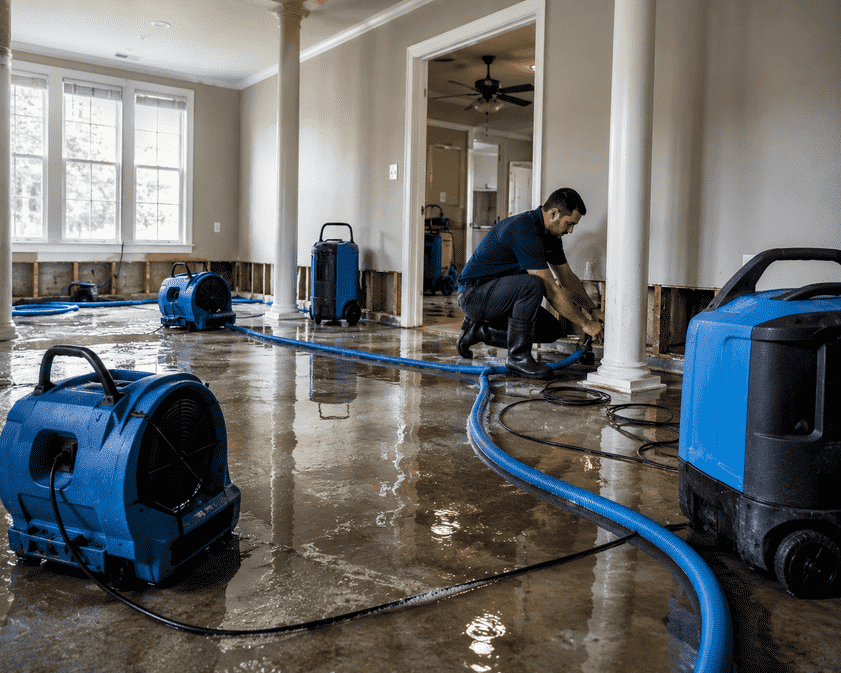
After cleaning, drying is critical to stop mold from returning. Industrial dehumidifiers and air movers remove moisture, while fixing leaks, improving ventilation, and keeping humidity at 30–50% help prevent future growth.
How Long Does Mold Remediation Process Takes?
Every house and scope is different, but this is a practical timeline:
- Assessment & plan: same day or next-day for urgent cases.
- Containment & removal: 1–3 days for small projects; more for multi-room or heavy demolition.
- Drying & prevention work: 2–5 days depending on materials, weather, and underlying issues.
- Verification & rebuild: verification can be same day; rebuild timing depends on finishes, scheduling, and permitting.
Fast decisions, clear access, and in-stock materials shorten timelines.
Costs: What Actually Drives Your Mold Remediation Quote
- Scope & square footage: how much material is damp or colonized.
- Access & complexity: built-ins, tall walls, occupied spaces, or tight mechanical chases.
- Category & contamination: clean-water moisture vs. prior sewage or heavy dust loads.
- Equipment runtime: number of air movers/HEPA units/dehumidifiers and how long they must run.
- Root-cause fixes: from a simple condensate safety switch to drainage or ventilation upgrades.
- Rebuild choices: basic drywall/paint vs. custom finishes and cabinetry.
Ask for a line-item scope (assessment, containment, removal, equipment, disinfecting, rebuild). It’s the best way to compare bids.

Professional Mold Remediation Versus DIY Mold Remediation
Homeowners can handle small mold issues, but there are limits. If mold covers more than about 10 square feet, involves contaminated water, HVAC systems, or health concerns, professional remediation is recommended.
Professional mold remediation includes:
- Certified technicians following industry standards
- Advanced equipment like HEPA filtration and dehumidifiers
- Safe removal and disposal of contaminated materials
- Identifying and fixing the moisture source to prevent return
For small DIY mold cleanup:
- Only treat areas under 10 square feet on non-porous surfaces
- Avoid drywall, carpet, and insulation
- Wear protective gear such as a mask, gloves, and goggles
- Seal off the area to prevent spores from spreading
- Fix moisture issues before cleaning
- Clean with mild detergent and fully dry the area
If mold spreads, keeps coming back, or affects air quality, it’s best to call a professional for safe and complete removal.
Preventing Mold Growth After Remediation
Preventing mold is easier and more cost-effective than dealing with remediation. Focus on controlling moisture and maintaining your home properly.
Fix water issues quickly:
- Keep gutters clean and extend downspouts away from the foundation
- Maintain roof flashing and ensure proper drainage around the home
- Install a sump pump with a backup for basement protection
Control indoor humidity:
- Use exhaust fans in bathrooms, kitchens, and laundry areas
- Run dehumidifiers or AC during humid conditions
- Keep indoor humidity between 30 to 50 percent
Improve ventilation and insulation:
- Ventilate attics and crawl spaces to improve airflow
- Insulate pipes, walls, and ductwork to reduce condensation
- Use vapor barriers in crawl spaces
Maintain and clean regularly:
- Clean and dry surfaces to prevent moisture buildup
- Use mold-resistant materials in high-moisture areas
- Store items in plastic containers instead of cardboard
- Replace HVAC air filters regularly
Consistent moisture control is the key to preventing mold from forming and spreading.
Choosing the Right Mold Remediation Service in Cleveland
Choose a qualified mold remediation company with certifications like IICRC and proven local experience. Look for 24/7 emergency service, verify insurance, and check reviews or references to ensure reliability.
Bee Dry Restoration of Cleveland offers certified remediation, fast response, and follows industry standards. Always compare quotes and make sure the plan includes moisture control to prevent mold from returning.
FAQs: Mold Remediation in Cleveland
If the affected area is under 10 sq ft, wear a respirator, gloves and goggles, clean with soap and water, dry completely and fix moisture sources.
Coverage varies. Policies may cover sudden events like pipe bursts but not gradual leaks or maintenance issues. Consult your insurer for specifics.
Simple jobs can take a few days. Complex projects involving demolition, drying and reconstruction may require one to two weeks.
For small projects, yes. For extensive remediation, it’s safer to relocate until containment, removal and drying are complete.
Ohio does not currently license mold remediators, but reputable companies follow IICRC standards. Always check references and certifications.
No. Paint or “sealers” don’t remove colonized material or hidden moisture; stains and odors return without proper removal and drying.