Mold damage is one of the most misunderstood issues homeowners face after water damage. Many people assume mold remediation is automatically covered by insurance if it follows a leak or flood. In reality, mold coverage is one of the most restricted, limited, and frequently denied areas of homeowners insurance.
Mold does not appear randomly. It develops when moisture is present long enough for spores to grow. Insurance companies focus less on the mold itself and more on how the moisture occurred, how long it was present, and whether it could have been prevented.
Bee Dry Restoration of Cleveland helps homeowners across Northeast Ohio understand what insurance may cover, what is commonly excluded, and why professional mold remediation is still necessary even when insurance does not pay.
Is Mold Damage Covered by Homeowners Insurance?
Mold damage may be covered by homeowners insurance only when it results from a sudden, covered water event and mitigation begins promptly. Mold caused by flooding, long-term leaks, delayed cleanup, or maintenance issues is commonly excluded.
Why Mold Damage Is Treated Differently by Insurance
Insurance policies are designed to cover sudden and accidental damage, not conditions that develop over time. Mold growth usually indicates prolonged moisture exposure, which insurers often classify as preventable.
Because mold can take weeks or months to become visible, insurers carefully examine timelines, moisture sources, and homeowner response before determining coverage.
How Mold Develops After Water Damage
Mold spores are naturally present in indoor air. When moisture is introduced and remains long enough, spores attach to surfaces and begin growing.
Common moisture sources include:
- Plumbing leaks
- Appliance failures
- Roof or window leaks
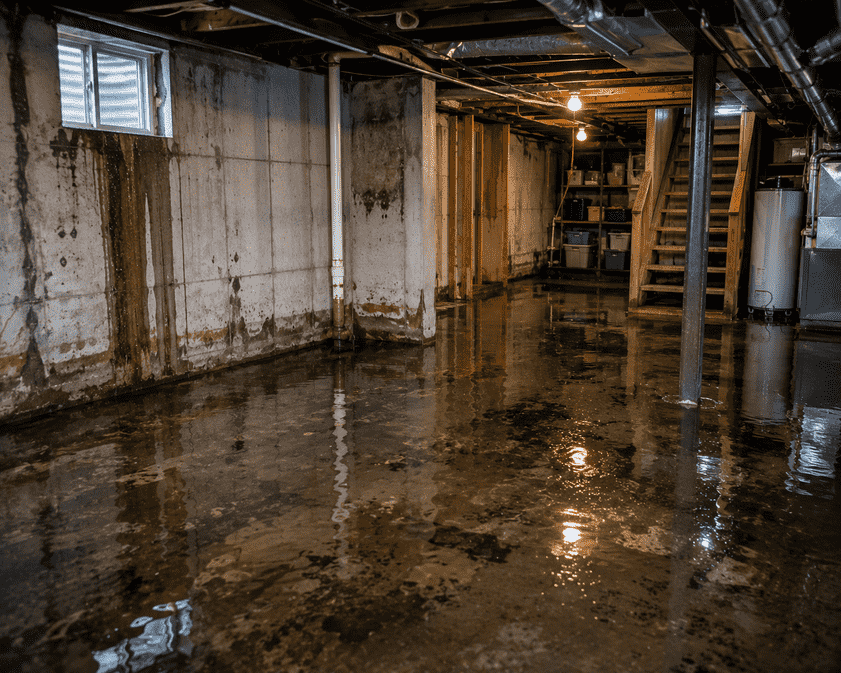
- Flooding or groundwater intrusion
- High indoor humidity
Under the right conditions, mold can begin growing within 24 to 48 hours after water exposure.

What Insurance Companies Look for in Mold Claims
When a mold claim is reviewed, insurance companies focus less on the presence of mold and more on how and when moisture occurred. Mold is treated as a result, not the primary cause of loss.
Insurers typically evaluate the following factors:
- The original source of moisture: Insurers determine whether moisture came from a covered internal source, such as a burst pipe or appliance failure, or from excluded sources like flooding, groundwater intrusion, or long-term humidity.
- Whether the water damage was sudden or gradual: Sudden events, such as a pipe break discovered quickly, are more likely to qualify for coverage. Gradual leaks, slow plumbing failures, and ongoing moisture intrusion are commonly classified as maintenance issues and excluded.
- How quickly mitigation began: Insurance reviews often look for mitigation to begin within the first 24 to 48 hours after discovery. Delays beyond this window increase the likelihood that mold growth is considered preventable.
- Whether maintenance issues were involved: Evidence of deteriorated plumbing, worn seals, clogged drainage, or aging materials can lead insurers to deny mold claims on the basis of lack of maintenance.
- How long moisture was present before discovery: Moisture that remains undetected for days or weeks allows mold to establish and spread. Insurers often rely on moisture patterns, staining, and material deterioration to estimate duration.
In many cases, insurers separate the initial water damage from mold that developed later. Even if the original water loss is covered, mold remediation may be excluded if it is linked to delayed discovery or delayed response.
This is why documentation of moisture levels, drying timelines, and mitigation steps plays a critical role in mold-related insurance reviews.
Common Mold Damage Exclusions in Homeowners Insurance
- Flood-Related Mold Damage: Mold caused by flooding or groundwater intrusion is usually excluded under standard homeowners policies. Flood damage requires a separate flood insurance policy, and mold resulting from flooding often falls outside coverage.
- Gradual Leaks and Long-Term Moisture: Slow plumbing leaks, failing seals, and ongoing moisture intrusion are among the most common reasons mold claims are denied. Insurers view these as maintenance issues rather than sudden events.
- Delayed Mitigation: Even when the initial water damage is covered, mold that develops due to delayed cleanup may be excluded. Insurance policies typically require homeowners to take reasonable steps to prevent further damage.
- High Humidity and Poor Ventilation: Mold caused by chronic humidity, condensation, or poor airflow is usually excluded. These conditions are often classified as preventable environmental issues.
- Maintenance-Related Problems: Clogged gutters, deteriorated roofing, failing plumbing connections, and aging materials are frequently cited as maintenance issues and excluded from coverage.
When Mold Damage May Be Covered
Mold coverage may apply in limited situations, such as:
- Mold resulting from a sudden pipe burst
- Mold discovered quickly after a covered water event
- Mold growth when mitigation began promptly
- Mold coverage included through a specific endorsement
Even when coverage applies, insurers often cap mold remediation payouts at relatively low limits.
Why Mold Coverage Is Often Limited
Mold remediation can be costly and complex. Because mold growth is often tied to delayed discovery or maintenance issues, insurers limit exposure by placing caps or exclusions on mold claims.
Coverage limits may apply to:
- Mold testing
- Removal of contaminated materials
- Containment and cleaning
- Air quality treatment
Homeowners should review policy language carefully to understand these limits.
Why Mold Damage Still Requires Immediate Action
Insurance coverage does not determine whether mold is dangerous. Mold can impact indoor air quality, aggravate respiratory conditions, and damage building materials regardless of coverage status.
Delaying remediation allows mold to spread into:
- Wall cavities
- Insulation
- Flooring systems
- HVAC components
Once mold spreads, remediation becomes more invasive and costly.
Professional Mold Remediation vs Surface Cleaning
Surface cleaning may remove visible mold, but it does not address underlying moisture or hidden growth.
Professional mold remediation includes:
- Identifying and correcting moisture sources
- Containment to prevent cross-contamination
- Removal of contaminated materials
- Cleaning and treating affected surfaces
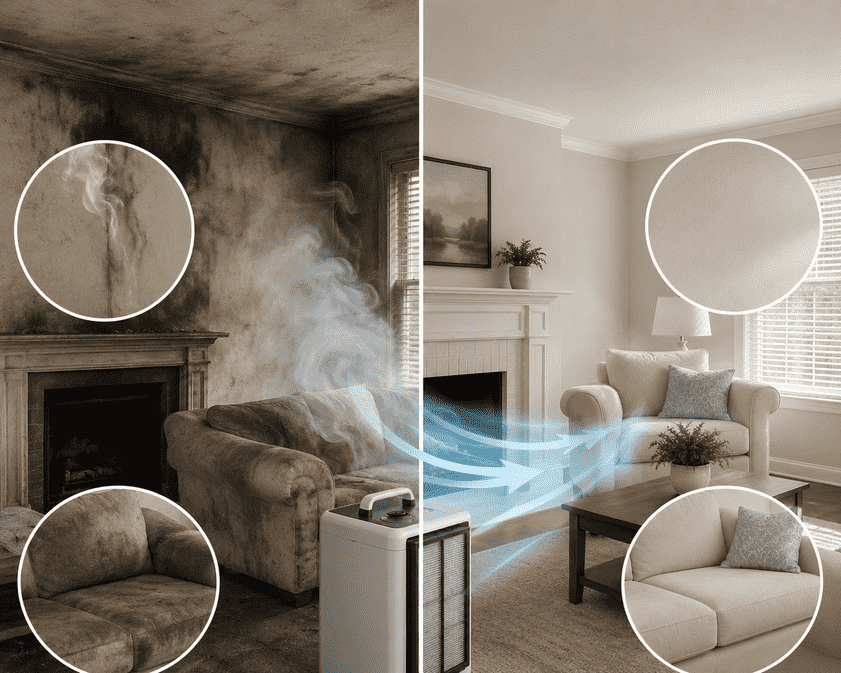
- Air filtration to reduce airborne spores
Without professional remediation, mold often returns.
How Bee Dry Restoration of Cleveland Handles Mold Damage
Bee Dry Restoration of Cleveland approaches mold remediation by focusing on moisture control, structural integrity, and indoor air quality.
Bee Dry helps homeowners by:
- Identifying hidden moisture sources
- Measuring moisture levels throughout the structure
- Removing contaminated materials safely
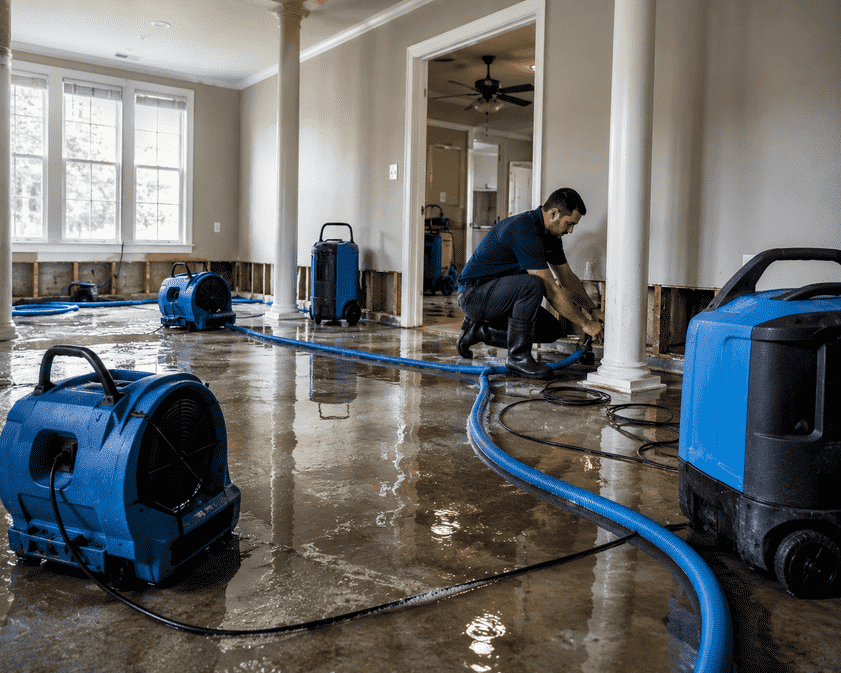
- Drying affected areas properly
- Preventing future mold growth
This process protects both the property and the health of occupants.
Insurance Partners Bee Dry Works With
Bee Dry Restoration of Cleveland works with many major insurance carriers during water and mold damage claims, including:
- State Farm
- Allstate
- Farmers Insurance
- Nationwide
- USAA
- Travelers
- Progressive
- Liberty Mutual
- Regional and specialty carriers
Working with an insurance carrier does not guarantee coverage. Claim decisions depend on individual policy terms, exclusions, and endorsements.

What Homeowners Should Do If Mold Is Discovered
If mold is discovered, action should be taken quickly and carefully. Mold growth indicates ongoing or past moisture, and disturbing affected areas can spread spores to other parts of the home.
Homeowners should take the following steps:
- Avoid disturbing affected areas: Scrubbing, sanding, or removing materials without containment can release spores into the air. Air movement from fans or HVAC systems can spread contamination to clean areas.
- Document visible damage immediately: Take clear photos and videos of visible mold, staining, damaged materials, and surrounding areas. Documentation should occur before cleanup alters conditions and is useful for both restoration planning and insurance review.
- Identify and stop the moisture source: Mold will continue to grow as long as moisture is present. Common sources include plumbing leaks, roof or window intrusion, condensation, and high humidity. Stopping the source is critical before remediation begins.
- Contact a qualified mold remediation company: Professional remediation includes moisture detection, containment, removal of contaminated materials, and air filtration. This process helps prevent cross-contamination and reduces the risk of mold returning.
- Review insurance policy language: Mold coverage varies widely and is often limited or excluded. Understanding policy terms helps homeowners set realistic expectations, but remediation should not be delayed while coverage is reviewed.
Ignoring mold almost always leads to larger problems. Mold can spread behind walls, under flooring, and into insulation within days. Prolonged exposure can damage building materials, reduce indoor air quality, and increase remediation costs significantly.
Early professional intervention limits the scope of contamination, protects occupant health, and helps preserve property value, regardless of insurance coverage.
Get Help With Mold Damage
If mold is present in your home and insurance coverage is unclear, waiting can make the problem worse. Mold does not stop growing because a claim is denied.
Bee Dry Restoration of Cleveland provides professional mold remediation and moisture control services to protect your home and indoor air quality.
Contact Bee Dry Restoration of Cleveland today to schedule a professional evaluation and get expert help with mold damage.
FAQs: Mold Damage and Insurance
Sometimes. Coverage may apply when mold results from a sudden, covered water event and mitigation begins promptly.
Most mold claims are denied due to flooding, long-term leaks, delayed cleanup, or maintenance-related issues.
Flood insurance may cover mold removal only if it is directly related to flood cleanup, depending on policy terms.
No. Delaying remediation increases health risks and damage.
Yes. Bee Dry focuses on safe remediation regardless of insurance outcomes.