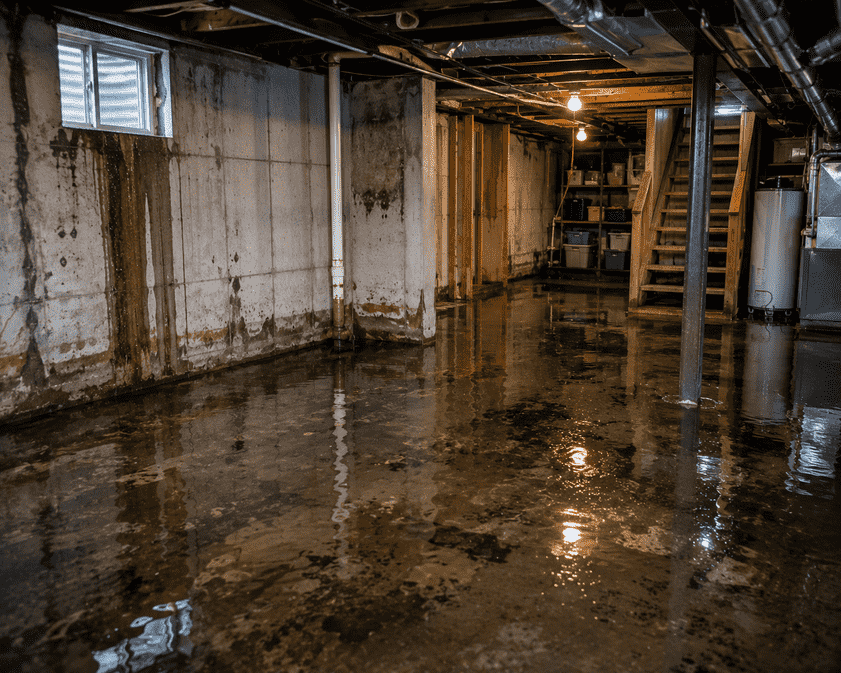
Flooding inside a home can happen suddenly. Heavy rain, burst pipes, sump pump failure, sewer backups, or stormwater intrusion can send water into basements and living spaces within minutes.
When this happens, many homeowners ask the same urgent question: Is it safe to stay in a flooded house?
In most situations, remaining inside a flooded home is not recommended. Standing water, soaked building materials, electrical hazards, and contaminated floodwater can create serious health and safety risks.
Understanding these risks can help you make the right decision quickly and protect your family, your property, and your indoor air quality.
Immediate Safety Hazards Inside a Flooded Home
Floodwater introduces several dangers that may not be visible at first. Even shallow water can cause significant structural and environmental damage.
Electrical Hazards
Water and electricity are a dangerous combination. Flooding can expose electrical outlets, wiring, appliances, and breaker panels to water.
Potential risks include:
- Electrical shock or electrocution
- Short circuits and electrical fires
- Damaged appliances and wiring
- Hidden electrical faults inside walls
If any part of your electrical system has been exposed to water, turn off power to affected areas immediately and avoid using electrical devices until a qualified professional evaluates the system.
Using appliances while standing in water significantly increases the risk of shock.
Structural Damage
Floodwater can weaken structural components of a home, especially if water remains for hours or days.
Common structural problems after flooding include:
- Warped or buckling flooring
- Saturated drywall and insulation
- Foundation cracks
- Sagging ceilings
- Compromised support beams
Prolonged moisture can cause building materials to swell, rot, or deteriorate. If you notice shifting walls, unusual cracks, or structural instability, the safest option is to leave the home until a professional inspection is completed.
Contaminated Floodwater
Not all water damage is the same. Floodwater may contain harmful contaminants depending on the source.
Possible contamination sources include:
- Sewage backups
- Stormwater runoff
- Groundwater intrusion
- Agricultural runoff
- Industrial chemicals
- Bacteria and viruses
Exposure to contaminated water can lead to infections, respiratory illness, skin irritation, and gastrointestinal disease.
Even water that appears clean may carry microorganisms or pollutants.
Health Risks After Flooding
Flood damage affects more than just your property. It can also create environmental conditions that impact your health.
Mold Growth
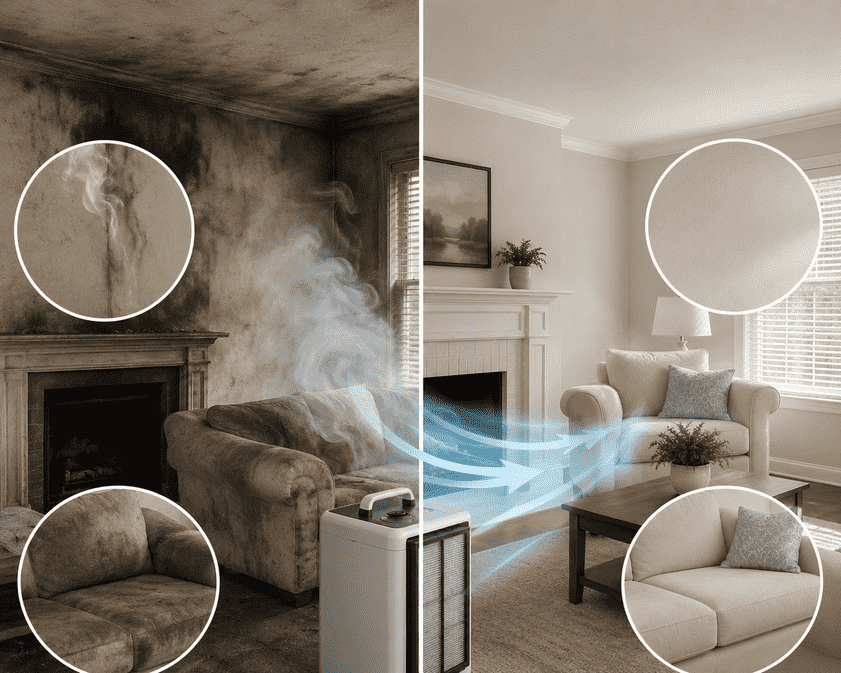
One of the most common consequences of water damage is rapid mold growth. Under the right conditions, mold can begin developing within 24 to 48 hours after water intrusion if building materials remain wet.
Areas most vulnerable to mold growth include:
- Drywall
- Wood framing
- Carpeting
- Upholstery
- Insulation
- Subflooring
Mold releases microscopic spores into the air, which can trigger:
- Asthma attacks
- Allergic reactions
- Respiratory irritation
- Headaches
- Chronic sinus issues
Professional structural drying and mold prevention are critical after flooding.
Poor Indoor Air Quality
Standing water and damp building materials create the ideal environment for microbial growth.
This can lead to:
- Musty odors
- Mold spores in the air
- Bacterial contamination
- Elevated humidity levels
Poor indoor air quality can cause symptoms such as:
- Coughing
- Headaches
- Fatigue
- Eye irritation
- Breathing difficulty
Proper drying, air filtration, and dehumidification are essential to restore healthy indoor air.
Pest Infestations
Flood conditions often drive pests into homes.
Common pests after flooding include:
- Rats
- Mice
- Cockroaches
- Mosquitoes
- Flies
Standing water becomes a breeding ground for mosquitoes, while rodents may seek shelter in dry areas of the home.
These pests can spread bacteria and diseases and contaminate surfaces.
When It May Be Safe to Stay in Your Home
In very limited situations, homeowners may be able to remain in the house during cleanup.
This is generally only possible when:
- Flooding involves clean water from a supply line
- Water damage is minor and localized
- The electrical system is not affected
- There is no sewage contamination
- The structure remains stable
- Drying begins immediately
Even then, precautions should include:
- Wearing waterproof boots and gloves
- Keeping children and pets away from flooded areas
- Turning off power to affected rooms
- Using fans and dehumidifiers for drying
- Monitoring for mold growth
If conditions worsen or contamination is suspected, evacuation is the safest option.
When You Should Leave a Flooded House Immediately
You should evacuate your home if any of the following conditions exist:
- Significant structural damage
- Sewage contamination or wastewater intrusion
- Electrical systems exposed to water
- Strong mold or mildew odor
- Standing water covering large areas
- Health symptoms from exposure
- Floodwater entering living spaces
Remaining in these conditions can put your health and safety at risk.
Why Professional Water Damage Restoration Is Important
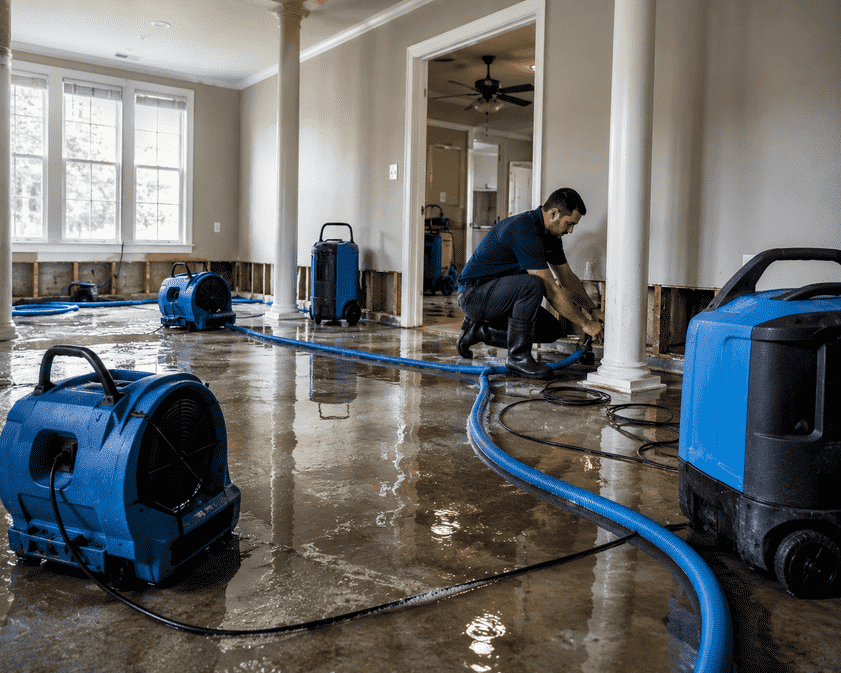
Flood cleanup is complex and often requires specialized equipment.
Professional restoration teams use advanced tools to fully remove moisture and prevent long-term damage.
Typical water damage restoration services include:
- Emergency water extraction
- Structural drying and dehumidification
- Moisture detection using thermal imaging
- Mold remediation and prevention
- Sewage cleanup and sanitation
- Odor removal and air purification
- Structural repairs and rebuilding
Quick response is critical because moisture trapped in walls, floors, and insulation can cause ongoing damage.
Professional Flood Cleanup in Cleveland, Ohio
If your home has experienced flooding, acting quickly can reduce damage and prevent mold growth. Bee Dry of Cleveland provides 24/7 emergency water damage restoration for homeowners throughout Northeast Ohio.
Our certified restoration specialists offer:
- Emergency water removal
- Basement flood cleanup
- Structural drying
- Mold remediation
- Sewage backup cleanup
- Odor removal
- Moisture detection and damage assessment
If you are dealing with water in your basement, burst pipe flooding, or storm damage, our team can restore your property safely and efficiently.
Contact Bee Dry Restoration of Cleveland today for immediate assistance and professional water damage restoration.
Frequently Asked Questions
In most cases, homeowners should not remain inside a flooded home for extended periods. Standing water can quickly lead to mold growth, electrical hazards, and structural damage.
Yes. Floodwater may contain bacteria, viruses, chemicals, and sewage contamination. Exposure can cause infections, respiratory problems, skin irritation, and gastrointestinal illness.
Small clean-water leaks may be manageable with pumps and dehumidifiers. However, large floods, sewage backups, or contaminated water should always be handled by professional water damage restoration specialists.
Yes. Electricity should be shut off immediately in affected areas to prevent electrical shock. Never operate electrical appliances in flooded spaces.
Standard homeowners insurance usually covers burst pipes and internal water damage but does not cover natural flood damage from storms or rising water. Flood insurance policies are typically required for that coverage.