Basements are one of the most common areas for mold growth in Northeast Ohio homes. Cleveland’s humid summers, heavy rains, lake-effect moisture, and freezing winters create the perfect conditions for damp foundations and condensation issues. When moisture lingers, mold follows.
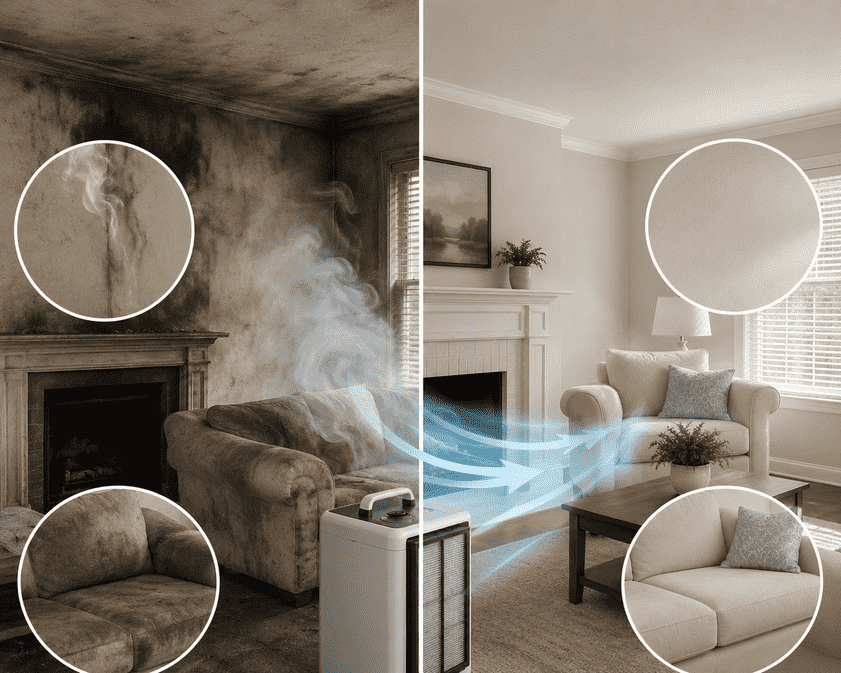
Mold is not just a cosmetic problem. It can damage drywall, framing, insulation, flooring, and stored belongings. It can also trigger allergies, respiratory irritation, and long-term indoor air quality issues. The key to prevention is simple: control moisture before mold has a chance to grow.
This 2026 guide outlines proven strategies used by Bee Dry Restoration of Cleveland to help homeowners keep their basements dry, healthy, and protected year-round.
Why Basements Are Prone to Mold
Mold spores are naturally present in indoor and outdoor air. They only grow when three conditions are present:
- Moisture
- Organic material such as wood or drywall
- Moderate temperatures
Basements provide all three.
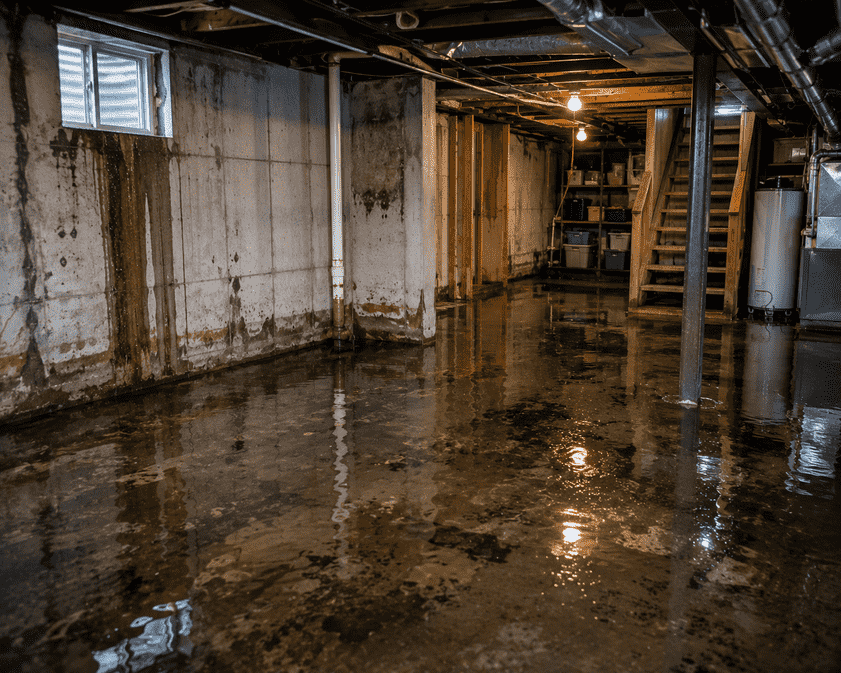
Moisture enters basements through foundation seepage, poor exterior drainage, plumbing leaks, condensation on cold surfaces, high humidity, and inadequate ventilation. Because basements sit below grade, they are constantly exposed to surrounding soil moisture and hydrostatic pressure.
Without moisture control, mold growth can begin within 24 to 48 hours of water exposure.
The Foundation of Mold Prevention: Moisture Control
Controlling moisture is the single most important step in preventing basement mold.
Maintain Proper Humidity Levels
Basement humidity should remain between 30 and 50 percent. Once humidity rises above 60 percent, mold growth becomes highly likely. Use a digital hygrometer to monitor relative humidity. In Cleveland’s summer months, humidity can climb quickly, especially in unfinished basements.
Use a Dehumidifier
A dehumidifier is often essential in Northeast Ohio homes.
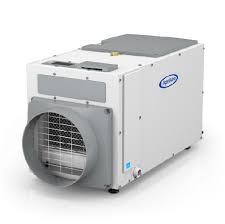
Portable units work well for smaller basements. Larger spaces may benefit from whole-house dehumidifiers integrated with HVAC systems.
Set the unit to maintain humidity around 45 percent. Clean filters regularly and ensure continuous drainage to prevent overflow.
Year-round operation is recommended in most homes.
Improve Exterior Drainage
Water around your foundation increases the risk of seepage and damp basement walls.
- Grade the Soil Properly: The ground should slope away from the home at a minimum of 2 to 5 percent. If soil has settled over time, regrading may be necessary.
- Clean Gutters and Downspouts: Clogged gutters cause water to overflow directly beside the foundation. Clean gutters at least twice per year and extend downspouts four to six feet away from the home.
- Install or Maintain a Sump Pump: If your basement has a history of water intrusion, a sump pump may be necessary. Install a battery backup system to ensure operation during power outages.
- Inspect Drainage Systems: Perimeter drains, French drains, and exterior waterproofing systems should be inspected periodically to ensure proper function.
Seal Cracks and Stop Seepage
Small cracks can allow significant moisture intrusion over time.
Inspect foundation walls and floors for cracks or gaps. Use epoxy or polyurethane injection kits for minor cracks. Larger structural cracks should be evaluated professionally.
Waterproof sealants and masonry coatings can provide additional moisture resistance when applied correctly.
Not all basement moisture comes from outside.
- Repair Plumbing Leaks Immediately: Check under sinks, around water heaters, washing machines, and utility connections. Even slow drips can create mold conditions.
- Prevent Pipe Condensation: Cold water pipes often “sweat” when humid air contacts them. Wrap pipes with foam insulation to prevent condensation.
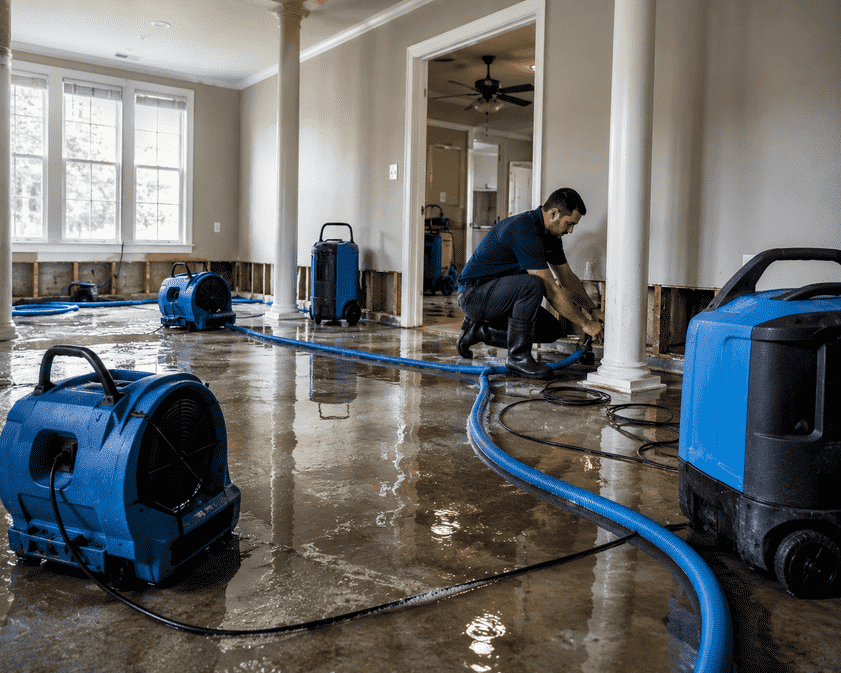
- Dry Wet Materials Quickly: If flooding or leaks occur, dry all affected materials within 24 to 48 hours. Remove saturated drywall, insulation, or carpeting if necessary.
Improve Ventilation and Airflow
Stagnant air traps moisture.
- Use Exhaust Fans: Bathrooms, laundry areas, and kitchens should vent directly outdoors. Run exhaust fans during and after moisture-producing activities.
- Increase Air Circulation: Ceiling fans, portable fans, and proper HVAC airflow reduce moisture buildup.
- Avoid Opening Windows on Humid Days: Bringing in warm, humid air during summer can increase basement moisture levels. Only ventilate naturally when outdoor humidity is lower than indoor humidity.
Condensation forms when warm air meets cold surfaces.
- Insulate Basement Walls: Rigid foam board or closed-cell spray foam insulation reduces condensation risk and adds energy efficiency.
- Insulate Rim Joists: Sealing and insulating rim joists prevents humid air infiltration.
- Install Vapor Barriers: Vapor barriers beneath slabs or within crawl spaces prevent ground moisture migration.
Choose Mold-Resistant Materials
When finishing a basement, select materials designed for moisture exposure.
- Moisture-resistant drywall
- Fiberglass-faced wall panels
- Galvanized steel framing
- Mold-resistant paint
- Luxury vinyl plank or tile flooring
- Sealed concrete floors
- PVC trim
Avoid untreated wood, standard drywall in high-moisture areas, and carpet installed directly over concrete.
Mold feeds on organic materials.
Store belongings in sealed plastic containers rather than cardboard boxes. Elevate items off concrete floors. Vacuum regularly using a HEPA filter vacuum to reduce airborne spores.
Clutter reduces airflow and increases mold risk.
Maintain HVAC and Dehumidification Systems
Proper HVAC performance directly impacts basement moisture control.
- Change filters every 2 to 3 months
- Inspect condensate drain lines
- Service air conditioning systems annually
- Clean dehumidifier coils and filters
Poor maintenance leads to humidity spikes and hidden moisture problems.
Monitor Conditions Regularly
Early detection prevents major damage.
Inspect your basement at least twice per year and after heavy rainfall or snowmelt. Look for:
- Musty odors
- Damp spots
- Peeling paint
- Efflorescence on walls
- Warped wood
- Visible mold growth
If humidity remains above 60 percent despite running a dehumidifier, further waterproofing or ventilation upgrades may be required.
When to Call a Professional
DIY prevention works for basic maintenance. However, professional evaluation is recommended if you experience:
- Repeated water intrusion
- Persistent musty odors
- Visible mold growth larger than a few square feet
- Foundation seepage
- High humidity that will not stabilize
- Structural concerns
Bee Dry Restoration of Cleveland specializes in moisture control, basement waterproofing, mold inspection, and professional mold remediation. Our IICRC-certified team understands Northeast Ohio soil conditions, lake-effect moisture patterns, and local construction practices.
We provide long-term solutions, not temporary fixes.
Conclusion
Basement mold prevention is not complicated, but it requires consistency. Control moisture. Improve drainage. Seal cracks. Ventilate properly. Insulate smartly. Monitor conditions regularly.
A dry basement protects your home’s structure, preserves indoor air quality, and prevents costly mold remediation in the future.
If you want professional guidance or suspect hidden moisture issues, contact Bee Dry Restoration of Cleveland today for a comprehensive basement evaluation.
FAQs
Maintain humidity between 30 and 50 percent, fix leaks immediately, improve ventilation, seal foundation cracks, and use mold-resistant materials.
Keep relative humidity below 50 percent. Mold risk increases significantly once levels exceed 60 percent.
In Northeast Ohio, most basements benefit from year-round dehumidification due to seasonal humidity and condensation.
Common causes include foundation seepage, poor drainage, plumbing leaks, condensation, high humidity, and inadequate airflow.
Yes. Basement waterproofing reduces water intrusion and moisture buildup, eliminating conditions that allow mold to grow.
At least twice per year, and more often if your home is surrounded by trees.