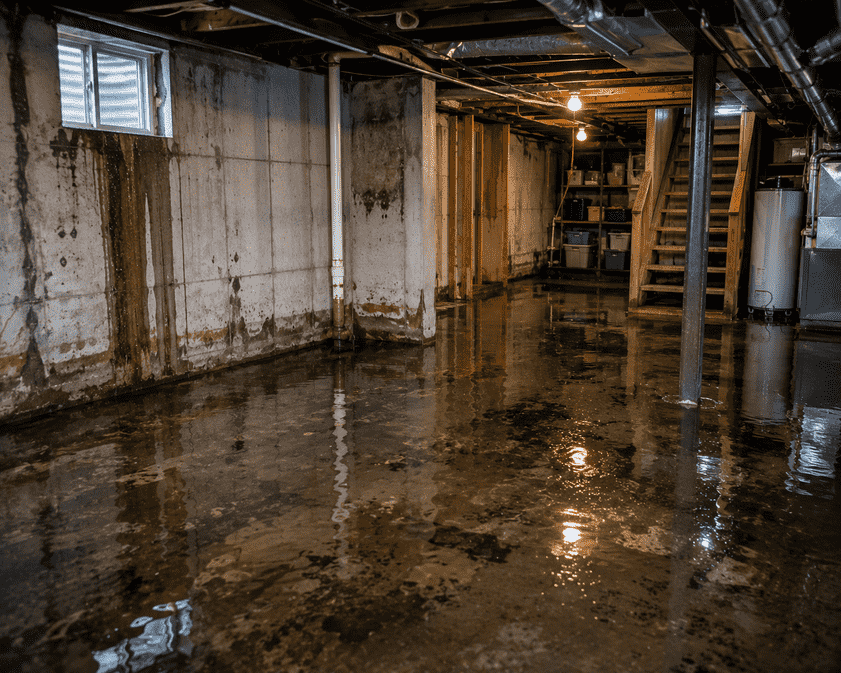
Water damage turns a home upside down fast. Floors are wet, walls are soaked, and the smell sets in before anyone has time to think clearly. Then comes the insurance policy. Pages of unfamiliar terms. Exclusions that were never explained. Deadlines that feel impossible to meet while water is still spreading.
Most homeowners do not know where to start. They are not trying to negotiate a claim or argue coverage. They just want to understand what their policy actually says and what they should do next.
Bee Dry Restoration of Cleveland helps homeowners across Northeast Ohio by walking them through their insurance policy in plain language after water damage. The goal is not to interpret or negotiate coverage. The goal is to help homeowners understand their situation, avoid costly mistakes, and take the right steps while professional mitigation is already underway.
This guide explains where homeowners typically get stuck with insurance after water damage, how Bee Dry helps them understand their policy, and why this guidance often makes the difference between controlled restoration and avoidable damage.
How Does Bee Dry Help Homeowners With Insurance After Water Damage?
Bee Dry helps homeowners understand their insurance policy by explaining coverage terms in plain language, identifying common exclusions, clarifying mitigation requirements, and setting realistic expectations while restoration begins.

Why Homeowners Struggle With Insurance After Water Damage
Insurance policies are not written for emergencies. They are written in formal language that assumes time, clarity, and calm decision-making. Water damage creates the opposite environment.
Homeowners often struggle because:
- Policy language is unfamiliar
- Coverage depends on cause and timing
- Exclusions are buried in sections rarely read
- Mitigation requirements are not obvious
- Claims timelines overlap with active damage
Many homeowners delay action because they believe they need insurance answers first. That delay often causes more damage than the original water event.
Where Most Homeowners Get Stuck
- Not Knowing What Type of Water Damage They Have: Insurance treats water damage differently depending on source. Flooding, sewage backup, sump pump failure, burst pipes, and gradual leaks are handled differently. Homeowners often do not know which category applies.
- Confusion Between Mitigation and Repairs: Policies often require mitigation to prevent further damage, even when repairs are not yet approved. Many homeowners assume cleanup must wait until coverage is confirmed.
- Misunderstanding Exclusions and Endorsements: Sewage backups, sump pump failures, and mold damage often require specific endorsements. Homeowners frequently discover these limits only after damage occurs.
- Unclear Timelines and Responsibilities: Insurance policies typically require prompt notice and reasonable steps to prevent further damage. These requirements are not always obvious during a stressful situation.
Step-by-Step: How Homeowners Should File an Insurance Claim After Water Damage
Most homeowners do not struggle because they refuse to act. They struggle because they do not know the correct order. These steps reflect how insurance companies actually expect water damage claims to unfold.
Step 1: Stop the Water Source Immediately
Shut off the main water supply or isolate the affected fixture if possible. If the source is not stopped, insurance may classify additional damage as preventable.
Step 2: Document Damage Before Cleanup Begins
Take photos and videos of:
- Standing water
- Wet walls, ceilings, and flooring
- Visible water paths or staining
- Damaged personal property
Documentation should occur before materials are removed or altered.
Step 3: Review Your Policy for Water Damage Sections
Focus only on relevant sections:
- Water damage coverage
- Exclusions
- Endorsements such as water backup or sump pump coverage
- Duties after loss
Homeowners do not need to interpret the policy. They need to understand what applies.
Step 4: Notify Your Insurance Carrier Promptly
Report the loss as soon as practical. Provide basic facts only:
- When the damage was discovered
- What areas were affected
- That mitigation is beginning to prevent further damage
Avoid guessing the cause if it is not confirmed.
Step 5: Begin Professional Mitigation Immediately
Most policies require homeowners to take reasonable steps to prevent further damage. Professional mitigation:
- Limits secondary damage
- Reduces mold risk
- Protects structural materials
Waiting for adjuster approval often creates more claim issues than starting mitigation.
Step 6: Keep Records of All Mitigation Work
Maintain copies of:
- Photos
- Moisture readings
- Drying logs
- Invoices for emergency services
This information helps homeowners understand the scope of damage and supports claim review.
Step 7: Wait Until Drying Is Complete Before Repairs
Repairs should not begin until moisture levels return to safe ranges. Repairing too early can trap moisture and cause future damage that insurance will not cover.
Step 8: Ask Questions Before Making Assumptions
If something is unclear, ask for clarification before acting. Many costly mistakes happen when homeowners assume coverage or wait too long to move forward.
Why This Step Order Matters
Insurance claims are not denied because homeowners start mitigation. Claims are often limited because:
- Damage worsened after discovery
- Moisture spread due to delays
- Mold developed from inaction
Following this order protects both the home and the claim.
Where Bee Dry Fits Into This Process
Bee Dry Restoration of Cleveland helps homeowners:
- Understand policy language in plain terms
- Know which steps must happen immediately
- Avoid delays that increase damage
- Document conditions clearly while mitigation is underway
The goal is clarity, not confusion, during a stressful situation.

How Bee Dry Approaches Insurance Guidance
Bee Dry does not interpret policies or negotiate claims. Instead, Bee Dry focuses on education and clarity so homeowners understand what they are reading and what actions are required.
This approach helps homeowners make informed decisions rather than assumptions.
Reading the Policy With the Homeowner
One of the first things Bee Dry does is review the relevant parts of the homeowner’s policy with them.
This includes:
- Identifying the type of water damage described
- Reviewing sections related to mitigation responsibilities
- Highlighting common exclusions that may apply
- Explaining terminology in plain language
This conversation helps homeowners understand what their policy is likely to cover and what may fall outside coverage.
Explaining Key Insurance Terms in Plain Language
Insurance policies often include terms homeowners have never encountered before.
Bee Dry helps explain:
- Sudden and accidental loss
- Gradual damage
- Reasonable steps to prevent further damage
- Covered perils
- Exclusions and sublimits
Understanding these terms helps homeowners avoid actions that could complicate coverage later.
Setting Realistic Expectations Early
One of the most valuable things Bee Dry provides is honest expectation setting.
Homeowners learn:
- What insurance commonly covers
- What is often excluded
- Why mitigation must begin immediately
- Why some costs may be out of pocket
This clarity prevents surprises and reduces stress during restoration.
Helping Homeowners Avoid Costly Mistakes
Many insurance-related problems come from well-intended mistakes.
Bee Dry helps homeowners avoid:
- Waiting for adjuster approval before cleanup
- Using surface cleanup methods only
- Throwing away damaged materials before documentation
- Attempting repairs before drying is complete
- Assuming insurance will cover everything
Avoiding these mistakes often limits damage and repair costs.
Starting Mitigation While Insurance Questions Are Answered
Understanding insurance does not stop water from spreading. Bee Dry begins professional mitigation while insurance questions are addressed.
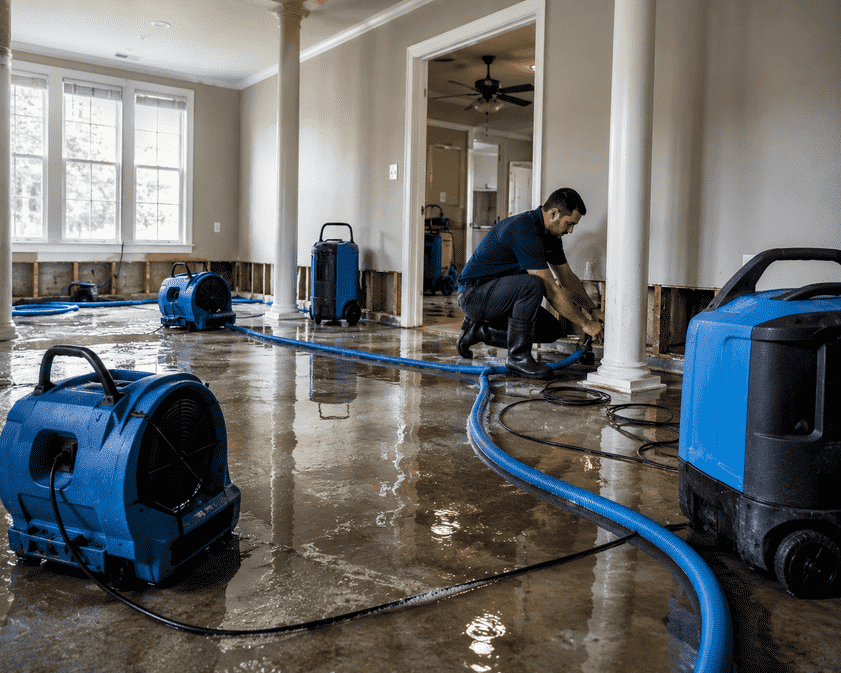
Professional mitigation includes:
- Moisture detection inside walls and flooring
- Controlled drying of structural materials
- Removal of materials that cannot be dried safely
- Monitoring moisture levels until safe ranges are reached
This protects the home regardless of coverage outcomes.
Documentation That Supports Understanding
Water damage is often hidden. Clear documentation helps homeowners understand what is affected, what is drying, and why specific restoration steps are required.
Bee Dry documents damage and drying conditions so homeowners can see the full scope of moisture impact.
Documentation typically includes:
- Moisture readings before, during, and after drying: Confirms how deeply water penetrated materials and verifies when areas return to safe levels.
- Identification of hidden water intrusion: Detects moisture inside walls, floors, ceilings, and cabinets that is not visible on the surface.
- Photo documentation of affected materials: Shows which materials can be dried safely and which require removal.
- Records of mitigation steps taken: Tracks extraction, drying equipment placement, and airflow management.
- Drying progress monitored over time: Verifies that moisture levels are improving and helps prevent mold growth or future damage.
This documentation gives homeowners a clear, factual picture of what is happening inside their home and helps them make informed decisions during restoration.
Helping Homeowners Communicate Clearly With Insurance
While Bee Dry does not negotiate claims, the team helps homeowners understand how to communicate clearly.
This includes:
- Knowing what information insurers typically ask for
- Understanding why certain questions are asked
- Avoiding speculation about cause
- Providing accurate timelines
Clear communication reduces confusion and delays.
Why This Guidance Makes a Real Difference
Homeowners who understand their policy are more confident, make faster decisions, and avoid unnecessary delays.
This often leads to:
- Less secondary damage
- Lower overall restoration costs
- Fewer disputes or misunderstandings
- Smoother restoration timelines
Understanding the policy does not change coverage, but it changes outcomes.
How Bee Dry Helps Even When Insurance Does Not Pay
When coverage is denied or limited, Bee Dry focuses on stabilizing the property based on actual conditions inside the home.
Bee Dry helps homeowners by:
- Explaining why coverage does not apply in plain terms: Common reasons include flooding classifications, sewage exclusions, sump pump failure, gradual leaks, or delayed mitigation. Understanding this prevents homeowners from waiting for coverage that will not apply.
- Helping homeowners decide how to proceed safely: Restoration priorities are based on health, safety, and structural risk, not insurance status. This allows homeowners to take control of next steps instead of remaining stuck.
- Prioritizing critical restoration steps first: Immediate focus is placed on water extraction, drying structural materials, and preventing contamination spread. Cosmetic repairs are addressed only after moisture is controlled.
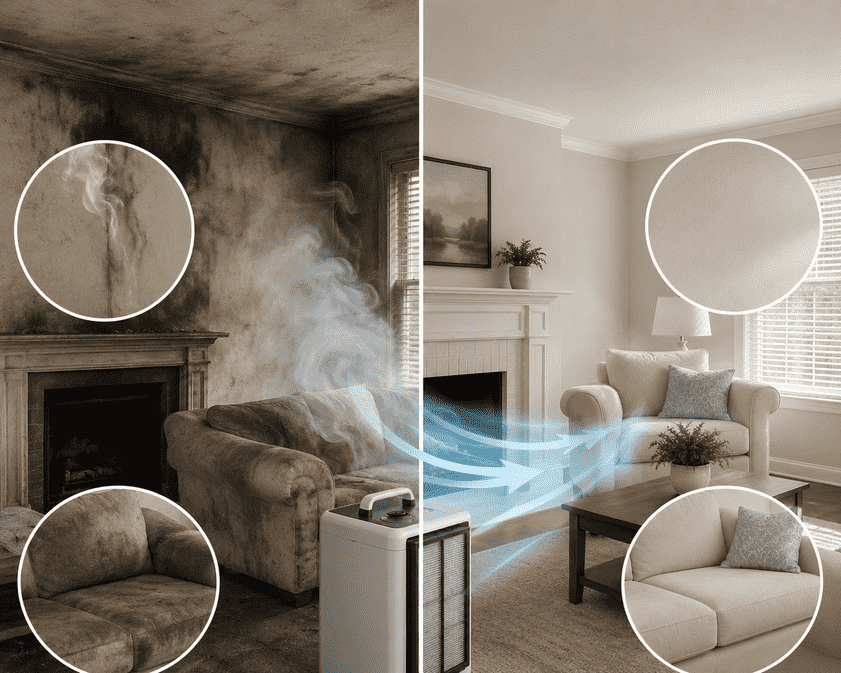
- Preventing mold and secondary damage: Mold can begin developing within 24 to 48 hours after water exposure. Prompt drying and material removal reduces the likelihood of mold growth and deeper structural damage.
- Limiting long-term repair costs: Water left inside walls, flooring, or insulation often leads to material deterioration that requires full replacement. Early professional mitigation can reduce the scope of repairs even when insurance does not contribute.
Restoration decisions are made based on moisture levels, material condition, and indoor air quality risks, not on whether insurance pays. This approach protects the home, occupant health, and property value.
Insurance Partners Bee Dry Works With
Bee Dry Restoration of Cleveland works with many major insurance carriers during water damage claims, including:
- State Farm
- Allstate
- Farmers Insurance
- Nationwide
- USAA
- Travelers
- Progressive
- Liberty Mutual
- Regional and specialty carriers
Working with an insurance carrier does not guarantee coverage. Claim decisions depend on individual policy terms, exclusions, and endorsements.

What Homeowners Should Do If They Feel Overwhelmed
If you feel stuck after water damage:
- Stop the water source if possible
- Begin professional mitigation
- Document damage
- Review your policy with guidance
- Ask questions before making assumptions
You do not need to understand everything at once. You just need a clear starting point.
Get Help Understanding Your Insurance After Water Damage
If you are confused by your insurance policy after water damage, you are not alone. Most homeowners are.
Bee Dry Restoration of Cleveland helps homeowners understand what their policy says, what steps are required, and how to protect their home while restoration begins.
Contact Bee Dry Restoration of Cleveland today to schedule a professional evaluation and get guidance you can trust.
FAQs: Understanding Insurance After Water Damage
No. Bee Dry helps homeowners understand policy language and requirements in plain terms but does not negotiate claims or interpret coverage decisions.
Yes. Most homeowners policies require prompt action to prevent further damage, even while coverage is still being reviewed.
Because water continues to spread into building materials. Delaying mitigation often leads to secondary damage that may not be covered.
No. Understanding the policy helps homeowners make informed decisions, avoid delays, and prevent mistakes that increase damage.
Yes. Bee Dry focuses on stabilizing and restoring the home based on actual damage conditions, regardless of insurance outcomes
Yes. Bee Dry documents moisture levels, affected areas, and mitigation steps to help homeowners understand the full scope of damage.