You know that sticky, heavy feeling in the air when it’s been raining for days? Or the musty smell that just lingers in the basement no matter how much you clean? That’s high indoor humidity — and while it might just feel uncomfortable at first, the truth is, it can cause serious health problems and damage your home if ignored.
Most people think of humidity as just “air that feels damp.” But once indoor moisture levels creep above 50% relative humidity (RH) — especially here in Cleveland, with our lake-effect weather and damp basements — you’re inviting mold, dust mites, and bacteria to thrive. And that doesn’t just put your comfort at risk. It can put your family’s health on the line.
Let’s dig into why controlling indoor humidity matters so much — and what can happen if you let it slide.
Why Humidity Gets Out of Control Indoors
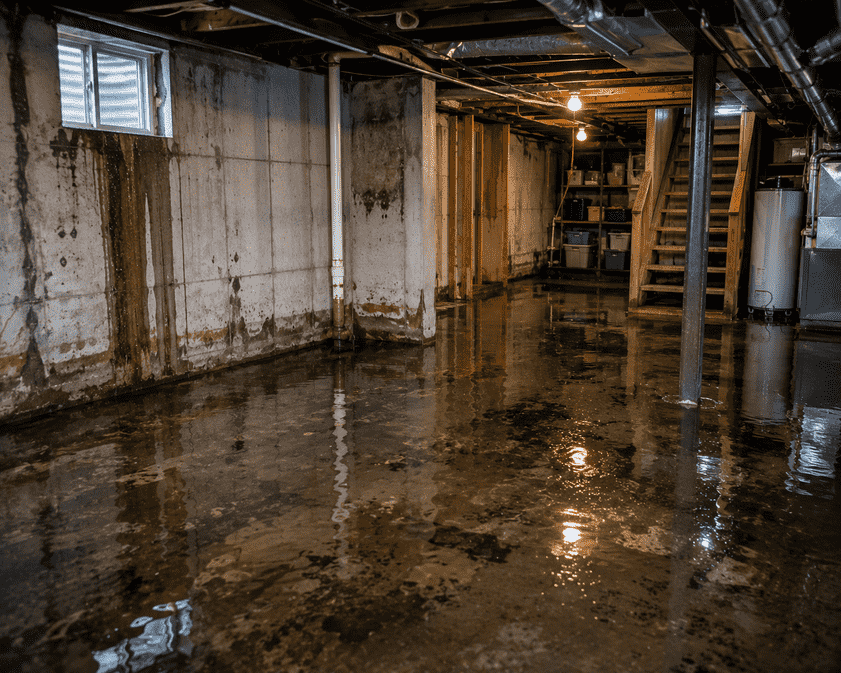
Indoor air naturally holds some moisture, but the problem starts when water sneaks in and has nowhere to go. Common culprits in Northeast Ohio include:
- Basements and crawlspaces that soak up dampness from the soil.
- Water leaks or burst pipes that aren’t dried out fast enough.
- Storm damage or flooding from heavy summer rains.
- Everyday living — cooking, showering, even breathing adds moisture to the air.
Normally, your HVAC system or a dehumidifier helps balance this out. But when humidity rises above 60%, it creates an environment where mold, dust mites, and other biological contaminants multiply. That’s when health risks start showing up.
The Big Health Risks of High Indoor Humidity
1. Mold Growth and Allergies
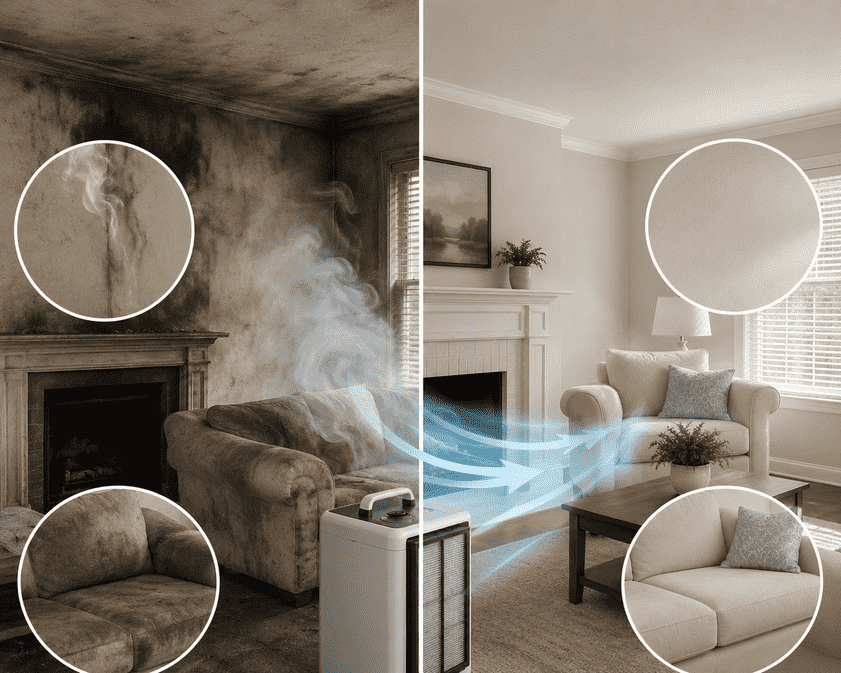
Mold doesn’t need much to grow — just moisture and 24–48 hours. Once it takes hold in damp drywall, carpet, or insulation, it releases spores into the air. Breathing those spores can trigger:
- Stuffy noses
- Itchy eyes
- Coughing or wheezing
- Worsening asthma symptoms
Children, seniors, and anyone with allergies or weakened immune systems are hit the hardest.
2. Dust Mites and Asthma Triggers
Dust mites are microscopic pests that love humid environments. They feed on skin flakes (gross, I know) and produce waste particles that become powerful allergy and asthma triggers. Studies show keeping indoor RH below 50% can drastically cut down on dust mites.
3. Musty Odors That Won’t Go Away
That “old basement smell” isn’t just annoying — it’s a red flag. Musty odors are caused by mold and mildew releasing gases as they grow. These odors cling to carpets, furniture, and even clothes, which means every time you walk into the house, you’re breathing in reminders that something unhealthy is brewing.
4. Respiratory Infections and Illness
Excess moisture doesn’t just encourage mold and dust mites. It also helps bacteria and viruses stick around longer in the air. Humid air can irritate airways, making you more likely to catch colds, develop bronchitis, or experience flare-ups of chronic breathing conditions.
5. Stress on the Body
You may not think of humidity as stressful, but your body works harder to regulate temperature in damp air. That’s why a humid house feels hotter than the thermostat says. Over time, this can lead to:
- Poor sleep
- Fatigue
- Dehydration
- Higher risk of heat-related illness in summer

Signs Your Home’s Humidity Is Too High
Not sure if humidity is behind your home’s issues? Here are the red flags:
- Condensation on windows or cold pipes
- Musty smells in the basement or closets
- Peeling paint or wallpaper
- Warping wood floors or furniture
- Allergy or asthma symptoms flaring indoors
- A dehumidifier bucket that fills daily
Tip: A $10 hygrometer (humidity gauge) can tell you instantly if your air is over 50% RH. If it’s creeping toward 60%, it’s time to take action.
Why Health Risks Show Up So Quickly
Think about it this way: high humidity is like leaving food out on the counter. The longer it sits, the more it spoils. Moisture creates the perfect conditions for:
- Mold (24–48 hours to start growing)
- Dust mites (explode in population above 50% RH)
- Bacteria (love damp surfaces and stagnant air)
That’s why EPA guidelines recommend keeping indoor RH between 30% and 50%. Above 60%? You’re basically giving mold and dust mites a green light to set up shop.
DIY Dehumidifiers vs. Professional Solutions
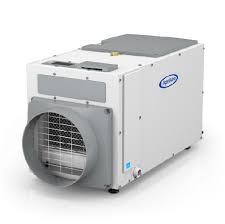
Sure, you can grab a dehumidifier from the hardware store — and for a single bedroom or a small problem, it’ll help. But for whole basements, crawlspaces, or water-damaged areas, DIY just isn’t enough.
Here’s why:
Problem | DIY Portable Unit | Professional Service |
Capacity | 20–55 pints/day | 70–170+ pints/day |
Coverage | One room | Entire home/building |
Hidden Moisture | Can’t reach | Detects behind walls/floors |
Mold Risk | Still possible | Prevented with complete drying |
Monitoring | None | 24/7 with moisture mapping |
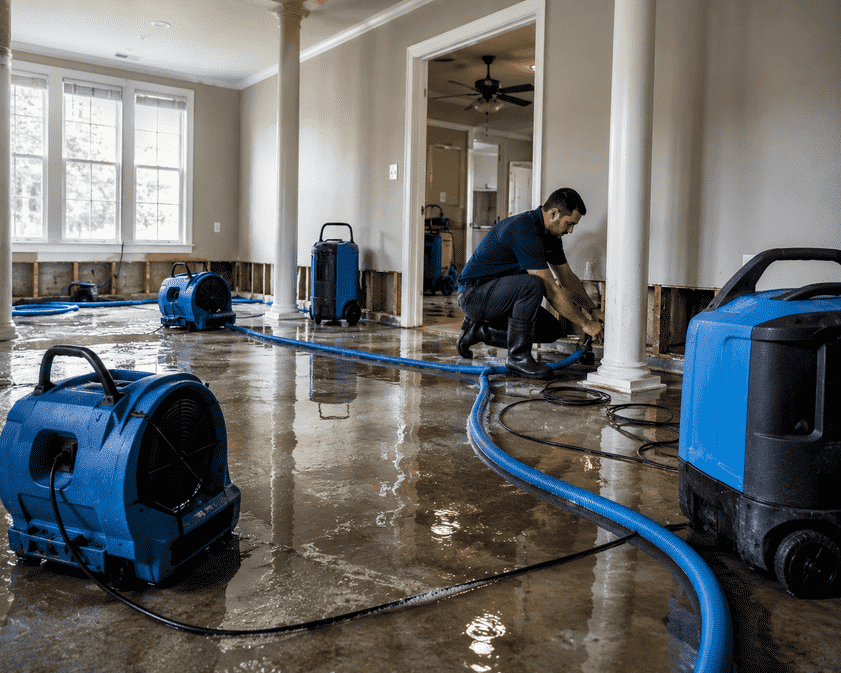
Professional dehumidification means industrial-grade machines, expert placement, and ongoing monitoring — not just plugging something in and hoping for the best.
Protecting Your Health and Home in Cleveland
Here in Northeast Ohio, with our humid summers, unpredictable storms, and older housing stock, high indoor humidity is more than just a comfort issue. It’s a health and financial risk if you ignore it.
- Don’t wait until the musty smell is unbearable.
- Don’t brush off window condensation as “just the weather.”
- And definitely don’t assume a $200 dehumidifier will solve structural or hidden moisture problems.
Professional services like Bee Dry Restoration of Cleveland have the right equipment and know-how to keep your home safe. That means healthier air, lower energy bills, and peace of mind that mold and allergens won’t creep back in.
Frequently Asked Questions
Yes. Dust mites and mold thrive above 50% RH, releasing allergens that cause sneezing, itchy eyes, and breathing difficulties.
Humid air worsens asthma by encouraging dust mites and mold spores, both of which are major asthma triggers. It also makes breathing harder.
Absolutely. Mold can start growing within 24–48 hours of water exposure in humid conditions. Keeping RH below 50% helps prevent it.
The EPA recommends keeping indoor RH between 30% and 50%. Anything above 60% raises health risks significantly.
Yes. Musty smells are caused by mold and mildew off-gassing. If your home smells musty, it’s a sign of excess moisture and microbial growth.
For small rooms, maybe. But for basements, crawlspaces, or water damage, professional dehumidification is needed to fully remove hidden moisture.
Look for condensation on windows, musty smells, or warped wood. A digital hygrometer is the easiest way to measure RH.