Disasters don’t check your calendar. A burst pipe at 2 a.m., a kitchen fire at dinner, a sewer backup after a storm—each can leave you wondering what’s safe to touch, what to save, and what to do first. You may have already tried towels and box fans, cracking windows, or spraying bleach on visible stains. Sometimes that buys time—but in many cases, waiting can turn a fixable problem into major damage.
This guide walks through the top signs you need emergency restoration after home damage, what you can safely try right now, and help you choose a trusted local provider like Bee Dry Restoration of Cleveland, known for their reliable 24/7 emergency help.
Time matters: wet materials can start growing mold within 24–48 hours, and items that can’t be dried and cleaned promptly often need to be discarded to avoid health and structural issues.
Why You Can’t Delay Restoration
Delays can multiply damage and cost—fast. Here’s why acting quickly is crucial:
- Mold can begin growing within 24–48 hours of water damage.
- Soot, smoke, and water can compromise the integrity of your home’s structure.
- Insurance coverage may depend on how fast you act after discovering the damage.
- Ohio’s fluctuating humidity and temperatures can worsen untreated moisture issues.
Fast emergency property restoration not only reduces damage but also preserves your safety, your finances, and your peace of mind.
Top Signs You Need Emergency Restoration Services
1) Water has soaked floors, walls, or ceilings—and it’s been more than a day
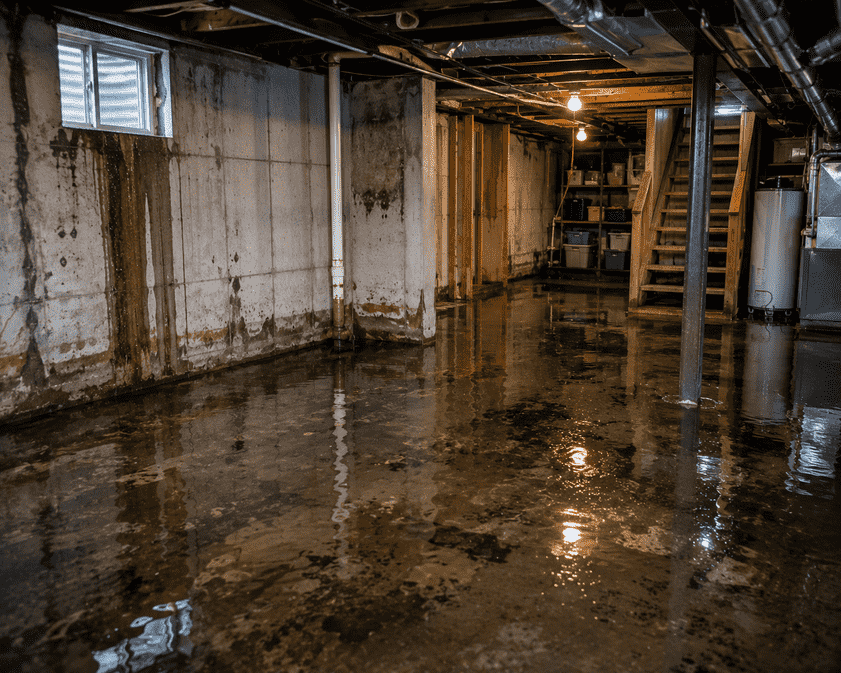
If you see sagging drywall, buckling floors, or soaked insulation, it’s urgent. After 24–48 hours, drywall, wood, and fabrics become prime mold habitats if not dried properly. Fans alone rarely pull out the moisture trapped inside assemblies. Call now if materials are still damp to the touch or if you smell a musty odor.
2) Sewage or dark, foul water entered the space
Backups and floodwaters can carry pathogens and chemicals. This is considered Category 3 (“black”) water in industry standards and requires specialized PPE, removal of contaminated porous materials, and disinfecting protocols—not a DIY mop-up.
3) Visible mold growth—or a persistent musty odor
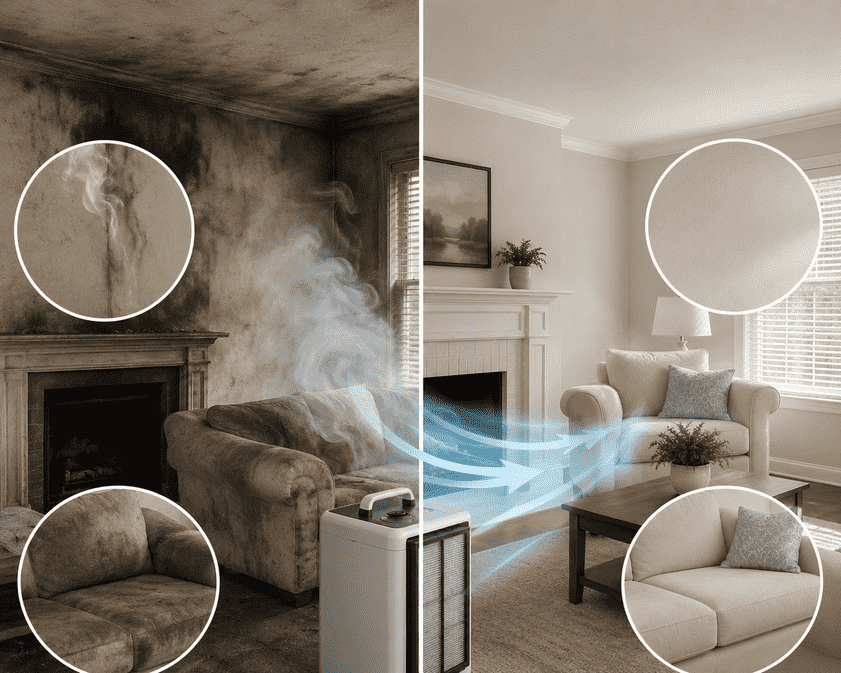
Mold can be visible (spots or fuzzy growth) or hidden (behind baseboards or under flooring) but often comes with a persistent earthy/musty smell. Rapid response—drying, source control, and proper remediation—prevents spread and protects air quality.
4) Soot, smoke film, or oily residue after a fire—even a small one
Smoke is acidic. Left on metals, wiring, and electronics, it can corrode and cause short circuits. Delays increase staining and odor penetration into porous surfaces. Electronics need specialized cleaning before power-up to avoid failures or hazards.
5) Electrical issues, tripped breakers, or burnt smells
If breakers won’t reset or you smell scorched insulation, stop using power in the affected area. Water and electricity are a dangerous combination. If you notice any of the following, it’s a critical sign you need on-site restoration services to prevent electrocution or fire, and you should seek help immediately:
Flickering lights: Especially if correlated with dampness or water intrusion.
Burning smells: Often associated with electrical shorts caused by moisture.
Tripped circuit breakers: Repeatedly tripping breakers can indicate a short circuit due to water damage.
Sparks or arcing: A highly dangerous sign that requires immediate attention and emergency help.
6) Structural Compromise: Water leaking through a ceiling or pooling in a crawlspace
Damage isn’t always immediately apparent. Active leaks can collapse ceilings or saturate insulation and framing. Sometimes, the signs you need on-site restoration services are related to the structural integrity of your home:
- Cracks in walls or foundations: Especially if they appear suddenly or widen after an event like heavy rain or an earthquake (though rare in Cleveland, it’s a general indicator).
- Sagging floors or ceilings: Can indicate water damage to joists or support beams, necessitating help.
- Loose tiles or grout: May suggest moisture infiltration beneath the surface, a sign for on-site restoration services.
7) Warping, bubbling, or staining that keeps spreading
Paint bubbles, warped baseboards, and spreading water lines signal trapped moisture. Without dehumidification and verified dry standards, damage continues behind the scenes.
8) Odors that worsen when HVAC runs
Musty or acrid odors pulled through returns can spread contaminants. Your heating, ventilation, and air conditioning (HVAC) system can be susceptible to water damage, especially if water infiltrates your attic or basement where components are often located. Signs you need on-site restoration services related to HVAC include:
Unusual noises from the system: Could indicate water affecting internal components.
Reduced airflow or inconsistent temperatures: May be a result of water damage impacting the system’s efficiency.
Visible mold or mildew around vents: Suggests moisture has entered the ductwork, a clear indicator for help.
What homeowners can try first (safe, effective DIY)
These are stabilization steps—meant to reduce risk until professionals arrive. If anything feels unsafe, stop immediately.
- Make it safe:
- Turn off electricity to impacted areas with standing water.
- If you suspect sewage, avoid contact and keep children/pets away.
- Stop the source:
- Close fixture shutoffs; if a supply line burst, use the home’s main shutoff.
- If a fire just occurred and it’s out, ventilate with caution (avoid spreading soot).
- Limit spread:
- Move dry belongings to a safe, clean space.
- Place foil or blocks under furniture legs on wet floors.
- Blot—not scrub—soot from surfaces to avoid smearing.
- Promote initial drying:
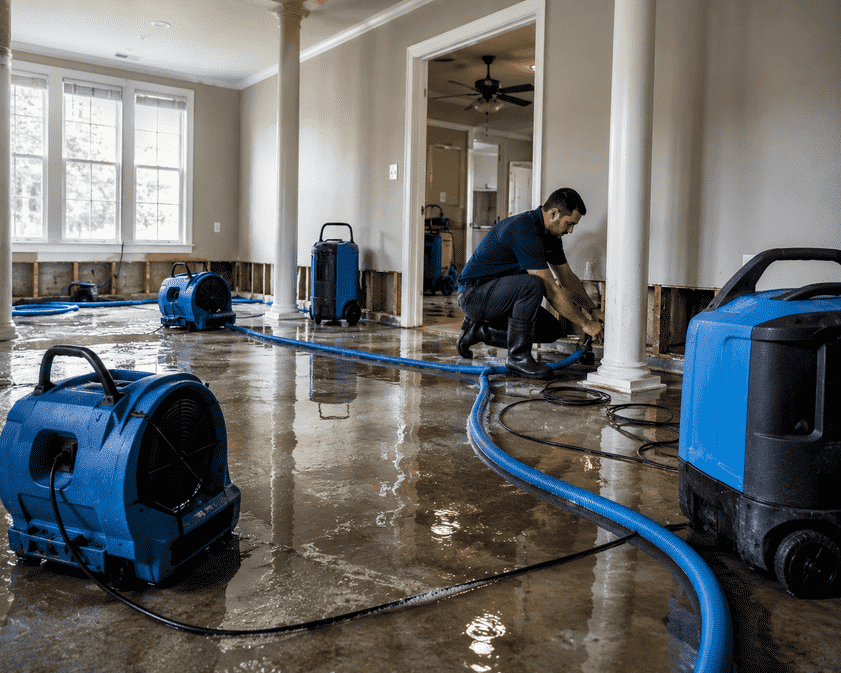
- If clean water (not sewage/floodwater) and safe to do so, use towels and a wet/dry vac; run fans and a dehumidifier with windows closed to remove moisture from air.
- Remove small rugs to dry separately.
- Do not use household fans on areas with visible mold growth—this can spread spores.
- Document everything:
- Take photos and short videos before you move items; save receipts.
- Start an inventory for insurance.
Recognizing When DIY Isn’t Enough
- It’s been 24–48 hours and materials are still damp.
- There’s sewage, dark water, or suspected contamination.
- You see mold, heavy soot, or electrical damage.
- Water migrated into ceilings, wall cavities, subfloors, or a crawlspace.
- The area smells worse when the HVAC runs.
These scenarios call for professional mitigation guided by industry standards to avoid structural damage, health risks, and denied claims.

When to Call for Professional Restoration Services
The decision to call for professional help is often as important as recognizing the signs you need on-site restoration services. For homeowners in the Cleveland area, understanding when to engage experts is key to receiving effective help.
The Importance of Prompt Action
The longer water or other damage sits, the more pervasive and destructive it becomes. What might start as a minor leak can quickly lead to structural damage, mold infestation, and compromised air quality. Acting swiftly upon recognizing the signs you need on-site restoration services can significantly mitigate the extent of the damage and the cost of repairs, highlighting the need for help.
Why Choose a Professional Restoration Company?
While DIY might seem appealing for minor issues, significant water damage, fire damage, or mold problems require specialized knowledge, equipment, and techniques. Professional restoration companies possess:
- Expertise: Trained technicians understand the science behind water mitigation, drying, and mold remediation.
- Advanced Equipment: Industrial-grade dehumidifiers, air movers, and moisture meters are essential for thorough drying and preventing secondary damage.
- Safety Protocols: Professionals are equipped to handle hazardous materials like mold and to work safely around damaged electrical systems.
- Insurance Navigation: They can often assist in navigating the complexities of insurance claims for on-site restoration services in Cleveland.
Choosing the Right Emergency Restoration Company in Cleveland
Local Knowledge is Critical
A Cleveland-based provider understands Lake Erie weather patterns, older housing stock, and Ohio’s insurance nuances. Choose a local team over out-of-town chains.
24/7 Availability
Disasters don’t wait. Make sure the company offers on-site restoration services in Cleveland 24/7 and can be on location within hours.
Proper Certification and Licensing
Look for:
- IICRC certification (for water, fire, and mold)
- General contractor license in Ohio
- Liability and workers’ comp insurance
Full-Service Capabilities
From mold remediation to structural rebuilds, pick a company that can manage everything. This reduces delays and ensures cohesive project oversight.
Transparent Pricing
Trustworthy companies offer detailed estimates, communicate openly, and won’t surprise you with hidden fees.
Most Common Emergency Restoration Cases
Emergency Type | Common Causes | Action Needed |
Water Damage | Burst pipes, sump failure | Immediate extraction + drying |
Fire Damage | Electrical faults, cooking fires | Soot cleaning + HVAC duct sanitation |
Mold Infestation | Leaky roofs, basement flooding | Mold removal + material replacement |
Wind/Storm Damage | Tornadoes, winter storms | Window boarding + roof tarp installation |
Sewer Backups | Old infrastructure, heavy rain | Biohazard cleaning + pipe repair |
Frequently Asked Questions
Immediately—within the first 24 hours for best results and insurance coverage.
Most policies do, but documentation and quick action are required.
Yes, mold can start developing within 24–48 hours after water exposure.
Ensure safety, stop the source of damage, and begin damage assessment.
ou can choose. Insurers often recommend providers, but the final decision is yours.
Yes. Bee Dry is Cleveland-based, fully licensed, and offers 24/7 restoration support.
If your home in Cleveland shows any of the top signs you need emergency restoration after home damage, fast, expert help prevents small losses from becoming big rebuilds. Bee Dry Restoration of Cleveland stabilize, dry, clean, and verify—then restore your space so life can move forward.
Ready for help? Book a priority inspection—get a clear plan and a crew that gets it done right.