A burst pipe can flood a home in minutes. Floors soak through, drywall absorbs water, and moisture spreads into walls and ceilings almost immediately. Many homeowners assume insurance will cover everything, only to find out later that coverage depends on timing, cause, and how quickly action was taken.
Water damage from burst pipes is one of the most common insurance claims. It is also one of the most misunderstood. Coverage is often available, but it is not automatic, and mistakes made in the first few hours can affect both repairs and the claim outcome.
Bee Dry Restoration of Cleveland helps homeowners across Northeast Ohio respond correctly after burst pipe incidents by stopping damage fast, preventing secondary issues, and documenting conditions properly while insurance decisions are being made.
Does Homeowners Insurance Cover Water Damage from Burst Pipes?
Homeowners insurance often covers water damage from burst pipes if the pipe failure was sudden and accidental and mitigation begins promptly. Damage caused by long-term leaks, freezing due to lack of maintenance, or delayed cleanup may be excluded.

Why Burst Pipes Are Common in Northeast Ohio
Burst pipes are especially common in colder climates like Northeast Ohio. Freezing temperatures, aging plumbing systems, and poorly insulated pipes increase risk.
Common causes of burst pipes include:
- Freezing temperatures causing pipes to expand
- Sudden pressure changes in plumbing systems
- Corrosion in older pipes
- Improper pipe installation
- Blockages that increase internal pressure
Insurance companies evaluate not just the burst itself, but why it happened.
How Insurance Companies Evaluate Burst Pipe Claims
Insurance companies focus on cause and response, not just damage.
When reviewing a burst pipe claim, insurers typically evaluate:
- Whether the pipe failure was sudden and accidental
- Whether reasonable maintenance was performed
- How quickly the homeowner responded
- How long water was present before mitigation began
The burst pipe itself may be covered, but secondary damage may not be if delays or maintenance issues are involved.
When Water Damage from Burst Pipes Is Usually Covered
Coverage is more likely when insurance companies determine the pipe failure was sudden, accidental, and not the result of neglect or long-term conditions. The homeowner’s response time and preventive actions also play a major role.
Coverage is more likely when:
- The pipe burst suddenly and unexpectedly: Sudden pipe failures, pressure-related bursts, or abrupt freezing events are more likely to qualify as covered losses.
- The leak was discovered quickly: Early discovery limits water exposure and supports the argument that damage was not ongoing or preventable.
- Water damage mitigation began promptly: Starting professional extraction and drying soon after discovery demonstrates reasonable steps to prevent further damage.
- There is no evidence of long-term leakage: Clean break lines, fresh water staining, and the absence of rot or heavy corrosion help support a sudden-loss classification.
- The homeowner took reasonable steps to prevent further damage: Shutting off the water supply, protecting unaffected areas, and contacting professionals to support coverage eligibility.
- The home was properly heated during freezing conditions: Maintaining heat and taking basic winter precautions reduces the likelihood that insurers will classify the event as neglect.
- The pipe was located in a conditioned or protected space Pipes inside walls, ceilings, or conditioned areas are more likely to be considered reasonably protected.
- The plumbing system showed no prior unresolved issues A lack of previous leaks, temporary repairs, or known plumbing defects supports a sudden failure determination.
- The damage occurred during normal occupancy Homes that were occupied or regularly monitored are less likely to face coverage challenges tied to delayed discovery.
- The water source was fresh and uncontaminated Clean water from supply lines is more commonly covered than sewage or contaminated water sources.
Examples of Commonly Covered Burst Pipe Scenarios
Insurance coverage is often approved in situations such as:
- A supply line bursting overnight while the home was occupied
- A pipe freezing during an unexpected cold snap despite the home being heated
- A plumbing failure inside a concealed wall discovered within a short timeframe
- A washing machine or refrigerator supply line rupturing suddenly
- A pressure-related pipe failure caused by a municipal water surge
Even in these situations, coverage depends on policy language and documented response time.
Why This Matters for Homeowners
Insurance coverage is not determined by damage severity alone. It is based on cause, timing, and homeowner response. Acting quickly and documenting conditions clearly improves the likelihood that a burst pipe claim is evaluated as a covered loss.
When Burst Pipe Claims Are Commonly Denied or Limited
Insurance coverage for burst pipe damage depends heavily on cause, condition, and response. Claims are often denied or limited when insurers determine the damage was preventable, gradual, or worsened due to inaction.
Claims may be denied or reduced when:
- The pipe failure resulted from long-term corrosion or deterioration: Rusted, thinning, or aging pipes are often classified as maintenance-related issues rather than sudden failures.
- The leak was ongoing and unnoticed for weeks or months: Moisture patterns, staining, warped materials, and mold growth are commonly used to estimate duration. Long-term exposure is usually excluded.
- The home was unheated during freezing weather: If a property was left without heat or reasonable precautions were not taken, insurers may deny coverage for frozen or burst pipes.
- Mitigation did not begin promptly after discovery: Delays in water extraction and drying often lead insurers to classify additional damage as preventable secondary loss.
- Mold developed due to delayed response: Even when the initial burst pipe is covered, mold caused by inaction or slow cleanup is frequently excluded or capped.
- The pipe was located in an unconditioned or poorly insulated space: Pipes in crawl spaces, attics, garages, or exterior walls may be denied if insulation or freeze protection was inadequate.
- Previous leaks or repairs indicate a known issue: Prior plumbing problems, patch repairs, or repeated leaks may be used to argue the condition was known and unresolved.
- The damage occurred while the property was vacant without proper safeguards: Extended vacancy without regular inspections or winterization can affect coverage eligibility.
- Improper installation or code-related issues were present: Pipes installed incorrectly or not meeting local code requirements may be excluded from coverage.
- Attempts were made to repair or dry the area before documentation: Removing materials or repairing damage before documentation can complicate claims and lead to disputes over extent and cause.
Insurance policies generally exclude damage caused by neglect, lack of maintenance, or preventable conditions. Even when the initial pipe failure is covered, insurers may limit payment to only the portion of damage they consider unavoidable.
How Long Homeowners Should Wait Before Cleanup
Homeowners should not wait.
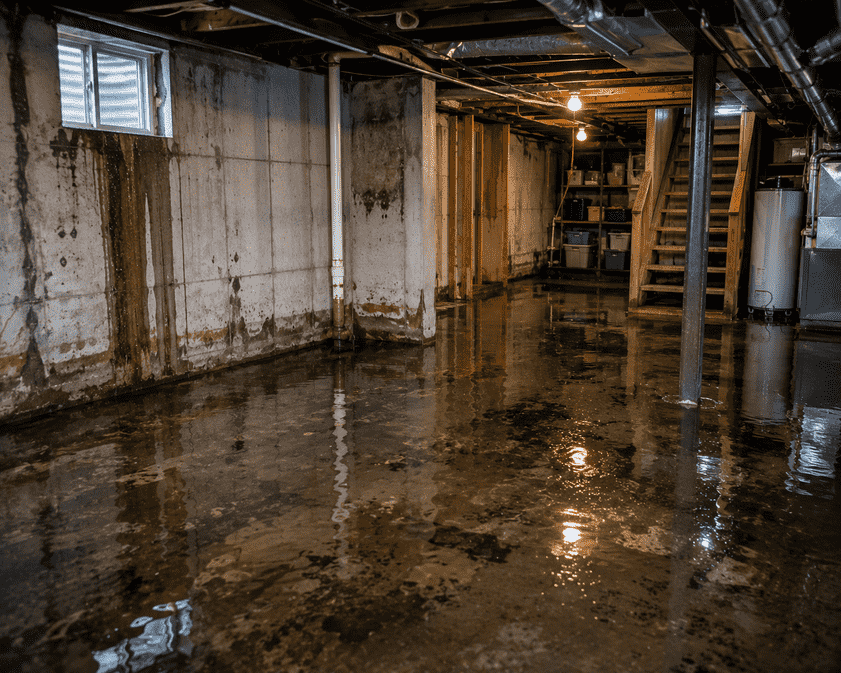
Water damage continues spreading regardless of insurance status. Moisture absorbs into drywall, insulation, subflooring, and framing within hours.
Delaying cleanup can lead to:
- Mold growth within 24 to 48 hours
- Structural weakening of building materials
- Odor problems caused by trapped moisture
- Increased repair costs
Most insurance policies require homeowners to take reasonable steps to prevent further damage.
Why Delaying Mitigation Can Affect Coverage
Some homeowners worry that starting cleanup will interfere with their claim. In reality, delayed mitigation often creates more claim problems.
Insurance companies may question claims when:
- Drying did not begin promptly
- Secondary damage developed
- Mold growth occurred due to delays
- Damage worsened after discovery
Secondary damage caused by delay is often excluded even if the original burst pipe was covered.
Professional Mitigation vs Surface Cleanup
Surface cleanup removes visible water but does not remove moisture trapped inside materials.
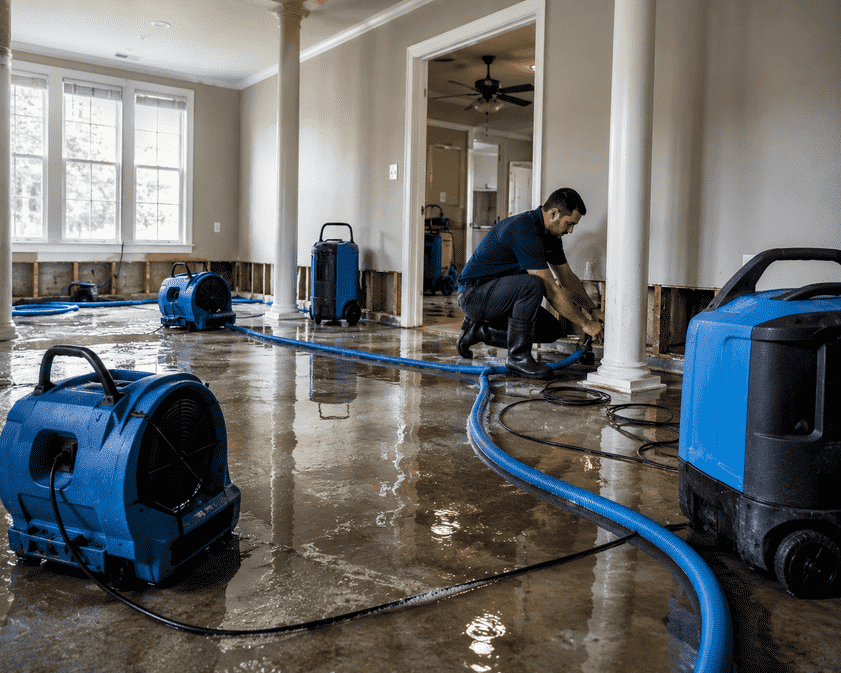
Professional water damage mitigation includes:
- Moisture detection inside walls and flooring
- Controlled drying of structural materials
- Removal of materials that cannot be dried safely
- Monitoring moisture levels until safe ranges are reached
Household fans and basic cleanup methods can spread moisture and increase mold risk.
How Water Damage Progresses After a Burst Pipe
Water damage follows predictable stages.
- 0 to 12 hours: Water spreads into wall cavities and subflooring. Drywall and insulation absorb moisture. Wood framing begins swelling.
- 12 to 24 hours: Moisture becomes trapped behind finished surfaces. Flooring adhesives weaken. Odors may begin developing.
- 24 to 48 hours: Mold growth can begin. Structural materials lose integrity. Insulation becomes ineffective.
- 48 hours and beyond: Mold colonies expand. Odors persist. Framing and subfloors deteriorate. Repair costs increase significantly.

Common Mistakes Homeowners Make After a Burst Pipe
Common errors include:
- Waiting for insurance approval before cleanup
- Assuming all water damage is covered
- Using surface cleanup methods only
- Discarding damaged materials before documentation
- Delaying professional assessment
- Attempting repairs before drying is complete
Most of these mistakes increase damage and complicate claims.
How Bee Dry Restoration of Cleveland Helps After a Burst Pipe
Bee Dry Restoration of Cleveland restores homes based on real damage conditions, not assumptions.
Bee Dry helps homeowners by:
- Identifying visible and hidden moisture
- Beginning controlled drying immediately
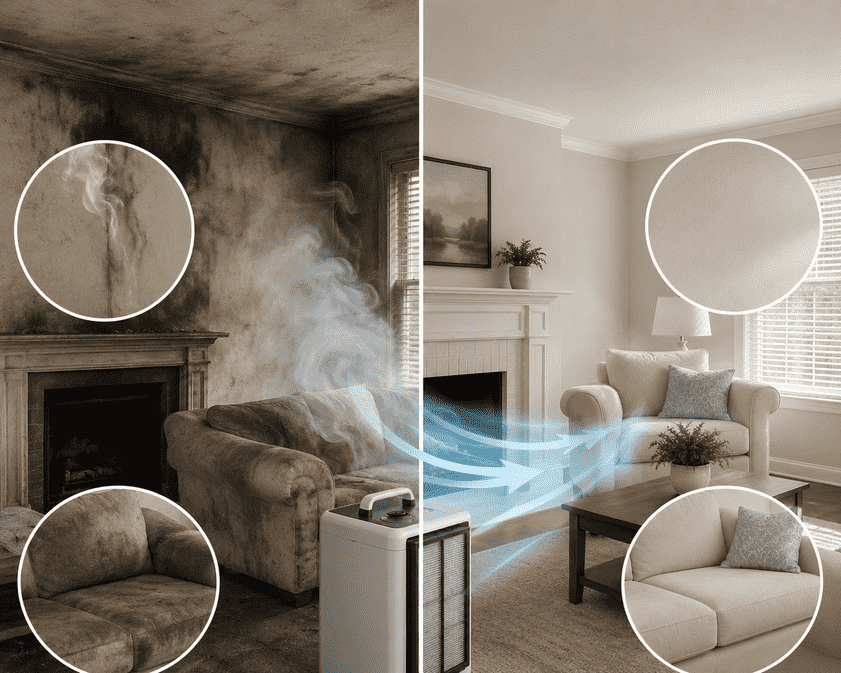
- Preventing mold growth
- Documenting conditions clearly
- Explaining restoration needs so homeowners can make informed decisions
This approach protects the structure and supports a smoother claims process.
Insurance Partners Bee Dry Works With
Bee Dry Restoration of Cleveland works with many major insurance carriers, including:
- State Farm
- Allstate
- Farmers Insurance
- Nationwide
- USAA
- Travelers
- Progressive
- Liberty Mutual
- Regional and specialty carriers
Working with an insurance carrier does not guarantee coverage. Claim decisions depend on individual policy terms, exclusions, and endorsements.

What Homeowners Should Do Immediately After a Burst Pipe
A burst pipe can release large amounts of water in a short period of time. The actions taken in the first few hours play a major role in how much damage occurs and how the insurance claim is reviewed.
If a pipe bursts, homeowners should take the following steps:
- Shut off the main water supply immediately: Turning off the water stops additional flooding and limits further damage. If the pipe is frozen, leave the faucet open after shutting off the supply to relieve pressure once thawing begins.
- Disconnect electrical hazards if safe to do so: Standing water near outlets, appliances, or electrical panels can be dangerous. If water is present near electrical components, power should be shut off at the breaker if it can be done safely.
- Document damage as soon as conditions are safe: Take photos and videos of affected rooms, ceilings, walls, flooring, and any visible water paths. Documentation should occur before cleanup alters conditions and helps establish when the damage was discovered.
- Contact your insurance provider promptly: Most homeowners policies require timely notice of water damage. Providing basic facts without speculation helps start the claims process without affecting coverage decisions.
- Begin professional mitigation as soon as possible: Water begins absorbing into drywall, insulation, and subflooring within hours. Professional extraction and drying reduce the risk of mold growth and secondary damage.
- Consult a qualified restoration company: A professional assessment identifies hidden moisture, determines which materials can be dried, and establishes a proper drying plan. This prevents long-term issues that surface weeks or months later.
Delaying action after a burst pipe allows moisture to spread deeper into the structure. Mold can begin developing within 24 to 48 hours, and repair costs increase as more materials require removal instead of drying.
Get Help After a Burst Pipe
If your home has water damage from a burst pipe and you are unsure how insurance will respond, waiting can make the situation worse.
Bee Dry Restoration of Cleveland provides professional assessment, emergency mitigation, and complete restoration services to protect your home.
Contact Bee Dry Restoration of Cleveland today to schedule a professional evaluation and get immediate help with burst pipe water damage.
FAQs: Burst Pipes and Insurance Coverage
In many cases, yes. Homeowners insurance often covers water damage from burst pipes when the failure was sudden and accidental and mitigation began promptly after discovery.
It may be covered if the home was properly heated and reasonable precautions were taken. Claims are often denied when homes were left unheated or pipes were not maintained.
Yes. Most policies require homeowners to prevent further damage. Professional mitigation can begin before an adjuster visit as long as damage is documented properly.
Usually no. Insurance typically covers the resulting water damage, not the repair or replacement of the failed pipe itself.
Coverage depends on how quickly the damage was discovered and whether reasonable care was taken to maintain the property. Delayed discovery can affect coverage.
Repairs should begin only after the structure is fully dried and moisture levels return to safe ranges. Repairing too early can trap moisture and cause future damage.