Water damage is one of those problems no homeowner or business ever wants to deal with. Whether it’s a burst pipe, a flooded basement, or storm damage, the mess is overwhelming and the clock is ticking. What many don’t realize is that drying out a property is about more than just mopping up water.
That’s where dehumidification comes in. It plays a critical role in water damage restoration, making sure that not only is standing water removed, but also that hidden moisture is eliminated. Without it, mold, odors, and structural problems are almost guaranteed.
Let’s break down why dehumidification is such a vital step in restoration, how it works, and what you should expect when professionals handle the job.
Why Water Damage Is So Dangerous
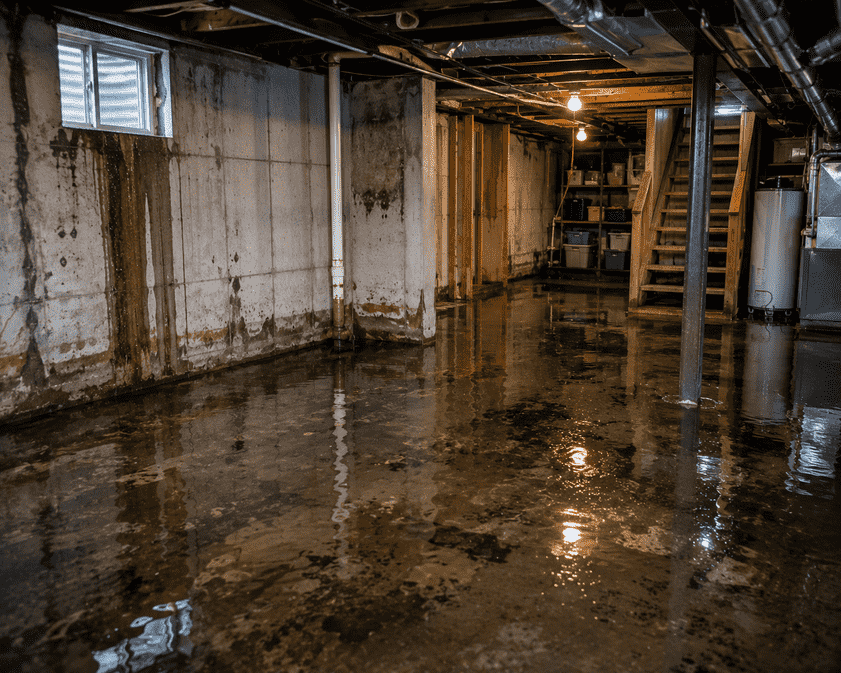
When water enters a home or building, it doesn’t just stay on the surface. It soaks into:
- Drywall and insulation.
- Wooden framing, floors, and furniture.
- Carpets, rugs, and upholstery.
- Basements and crawlspaces.
If this moisture isn’t removed quickly, the results are serious:
- Mold growth: Mold can begin within 24–48 hours.
- Structural damage: Wood warps, drywall crumbles, and paint peels.
- Health risks: Damp environments trigger allergies, asthma, and respiratory issues.
- Odors: Musty smells spread throughout the home.
Water extraction alone doesn’t solve these problems. That’s where dehumidification steps in.

The Science Behind Dehumidification
Dehumidification is the process of removing moisture from the air and materials until they reach safe levels, typically 30–50% relative humidity (RH).
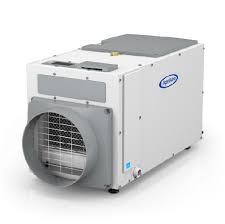
Professional-grade dehumidifiers work by:
- Drawing in humid air.
- Passing it over cooling coils or desiccant material.
- Condensing water vapor into liquid.
- Draining away the collected water.
- Releasing drier, cleaner air back into the space.
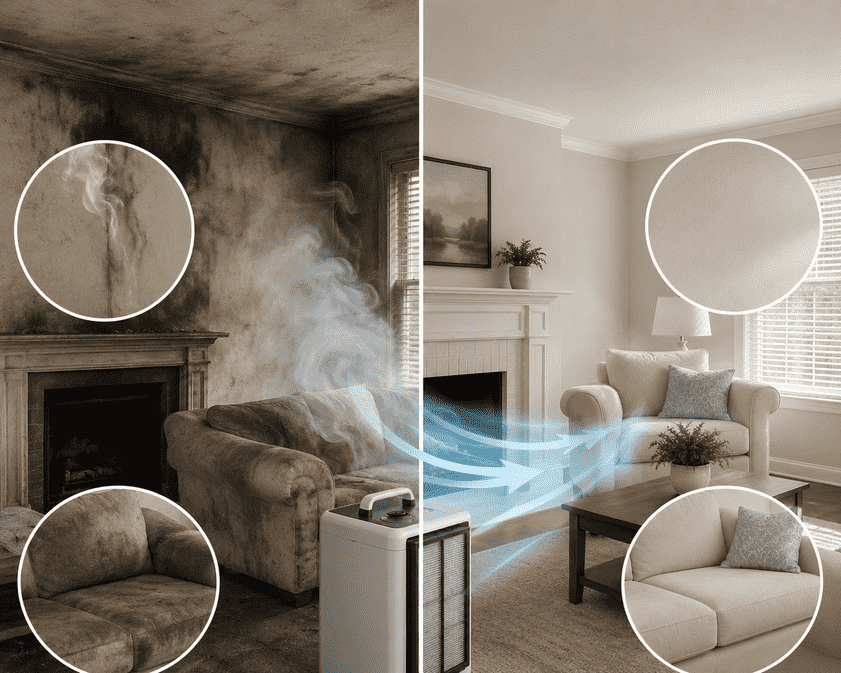
By continuously cycling the air, dehumidifiers reduce humidity, allowing wet surfaces to dry faster and preventing mold from taking hold.
Why Dehumidification Is Important in Restoration
1. Stops Mold Before It Starts
Mold spores are always present indoors. With water damage, all they need is moisture to multiply. Dehumidifiers remove that moisture, stopping mold before it spreads.
2. Protects Structural Integrity
Excess water warps wood, crumbles drywall, and weakens foundations. Dehumidification pulls hidden dampness from building materials, protecting your property from costly repairs.
3. Restores Indoor Air Quality
Moist air creates musty odors and promotes bacteria growth. By lowering humidity, dehumidifiers restore fresh, clean air.
4. Speeds Up Drying Time
Air movers and fans help evaporate water, but without dehumidifiers, that moisture just lingers in the air. Dehumidification completes the process, drying out structures much faster.
5. Reduces Energy Costs During Recovery
Drier air feels cooler and allows HVAC systems to run more efficiently, which is important during restoration when energy use is already high.
Types of Dehumidifiers Used in Restoration
Restoration professionals use different equipment depending on the situation:
Refrigerant Dehumidifiers
- Work like air conditioners.
- Best for warm, humid conditions.
- Commonly used for standard water-damage jobs.
Desiccant Dehumidifiers
- Use a chemical desiccant to absorb moisture.
- Effective in colder environments or when aggressive drying is needed.
- Ideal for drying dense materials like hardwood or plaster.
In most cases, multiple units are placed strategically and adjusted throughout the process to ensure complete drying.
The Professional Process: How Dehumidification Fits In
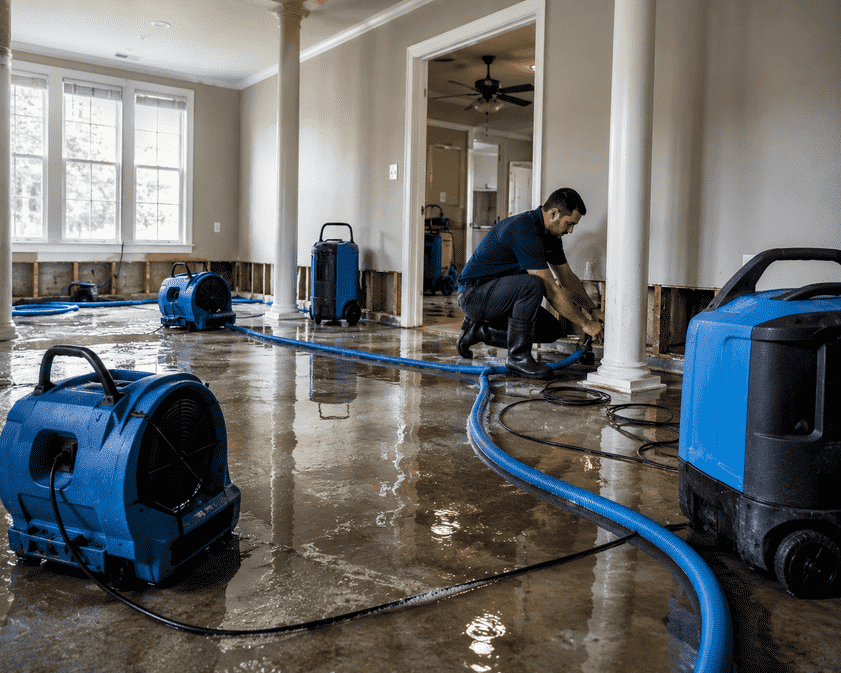
Here’s what happens when a restoration team like Bee Dry Restoration of Cleveland arrives after water damage:
- Assessment: Technicians inspect the extent of damage and measure moisture levels in the air, walls, and floors.
- Water extraction: Pumps and vacuums remove standing water.
- Air movers set up: Fans circulate air to speed evaporation.
- Dehumidifiers placed: Industrial units pull moisture out of the air and materials.
- Monitoring: Humidity and moisture levels are tracked daily until safe levels are reached.
- Final checks: The property is inspected to ensure no hidden dampness remains.
This combination of extraction, air movement, and dehumidification is the gold standard for effective water damage restoration.
Why DIY Isn’t Enough
Many homeowners try running a portable dehumidifier after water damage. While it may help small spaces, it can’t match professional equipment.
DIY limitations include:
- Too small for large or severe damage.
- Can’t dry hidden moisture in walls or subfloors.
- No monitoring to ensure moisture targets are met.
- Risk of mold growth if drying isn’t complete.
Professional dehumidifiers can remove 70–170+ pints per day, compared to 20–55 pints for most DIY models. For major water damage, that difference is critical.
Cost Considerations
Water damage restoration can feel expensive, but ignoring humidity issues costs far more in the long run.
- Average water-damage restoration: $1,361–$6,270 (national average: $3,814).
- Mold remediation: $4.75–$5.50 per sq. ft.
- Severe damage repairs: $16,000+ in extreme cases.
Compared to those costs, professional dehumidification is a smart investment to prevent bigger problems.
Signs You Still Have Hidden Moisture
After cleanup, how do you know if your home is truly dry? Look for:
- Persistent musty odors.
- Condensation on windows or pipes.
- Warping floors or peeling paint.
- Recurring allergy or asthma symptoms indoors.
If any of these appear, it’s likely humidity is still too high and professional dehumidification is needed.
FAQs About Dehumidification in Water Damage Restoration
Dehumidification removes hidden moisture, prevents mold growth, protects structures, and restores indoor air quality after water damage.
It depends on severity, but typically 24–72 hours or longer until humidity and material moisture levels are safe.
Small units may help in minor cases, but professional-grade equipment is needed to dry large areas and hidden moisture effectively.
Moisture trapped in walls, floors, or furniture can cause mold, odors, structural damage, and costly repairs.
Mold can begin to grow within 24–48 hours if moisture isn’t removed. Dehumidification helps stop it before it spreads.
Professionals use refrigerant dehumidifiers for warm, humid conditions and desiccant dehumidifiers for colder environments or dense materials.
Yes. Drier air feels cooler, so HVAC systems don’t work as hard, reducing energy use during recovery.
Bee Dry Restoration of Cleveland offers 24/7 water extraction, dehumidification, and restoration services to fully dry and protect your home.
Water damage restoration is a race against time. Extracting water is only the first step. Without professional dehumidification, hidden moisture can linger, leading to mold, structural damage, and health risks.
Dehumidifiers do the heavy lifting in restoring your home or business to a safe, dry condition. They speed drying, protect materials, improve air quality, and give you peace of mind.
If you’re facing water damage in Cleveland, don’t wait. Bee Dry Restoration of Cleveland provides 24/7 emergency dehumidification and water-damage restoration services to protect your home, your health, and your investment.