When water damage hits your home, hardwood floors are often the first thing at risk. Whether it’s from a pipe burst, appliance leak, or stormwater, moisture can quickly seep into the wood, causing warping, cupping, or even permanent damage. But before you start planning a costly floor replacement, consider this: Can water-damaged hardwood floors be saved? Here’s when drying mats work.

Understanding How Water Damages Hardwood Floors
Hardwood flooring is composed of solid or engineered planks made from species like oak, maple, cherry and walnut. Under normal conditions, wood contains moisture; typical moisture content ranges from 6–12 percent. When water saturates a floor—whether from a burst pipe, roof leak, appliance failure or flooding—it forces the wood to absorb far more moisture than it can tolerate. The first signs of water damage often include:
- Cupping: Edges of the boards rise higher than the centers.
- Crowning: Centers of the boards rise higher than the edges.
- Buckling: Boards separate from the subfloor.
- Discoloration: Dark spots and staining appear.
- Mold growth and musty odors: Moisture fosters fungal growth.
Water can penetrate beyond the boards into the subfloor, trapping moisture below the surface. When left untreated, saturated subfloors can cause structural damage. Because Cleveland homes often feature hardwood floors laid over plywood or concrete slabs, water infiltration can travel horizontally and vertically, affecting adjacent rooms and walls.
Factors That Determine Whether Water‑Damaged Hardwood Floors Can Be Saved
1. Time Since Exposure
The most crucial factor is how quickly you respond. Industry experts emphasize that water-damaged wood floors can often be saved if action is taken within the first 24–48 hours. In these early hours, removing standing water and reducing humidity prevents the wood from swelling to the point of permanent deformation. One restoration company notes that mold growth can occur within 48–72 hours when moisture content exceeds 16 percent, underscoring the need to act fast.
2. Moisture Content
Professionals use moisture meters to determine the extent of water saturation. Normal hardwood contains 6–12 percent moisture; after flooding, moisture levels can spike to 40 percent or higher. Some experts consider moisture readings over 15 percent a warning for mold growth and note that levels above 18 percent can corrode metal fasteners that hold flooring in place. A reading above 20 percent often indicates severe damage that may require replacement.
3. Type of Water
Not all water is equal. Clean water from a broken pipe or rainwater that enters quickly and is removed within hours offers the best chance for saving floors. Greywater from washing machines or dishwasher leaks contains contaminants that can promote bacteria and mold. Blackwater—water containing sewage or floodwater that has flowed over soil—requires professional remediation and usually necessitates removing the flooring entirely for health and safety reasons.
4. Type of Wood and Installation Method
Different species and construction methods respond differently to moisture. Solid hardwood can sometimes be sanded and refinished after drying, while engineered wood (with thin veneers over plywood) may delaminate and require replacement. Flooring installed with glue directly on concrete may trap water under the surface, making drying more challenging.
Nail‑down floors may allow some airflow if boards are removed strategically. Local Cleveland homes often feature oak strip flooring from the early 20th century; these boards swell and shrink dramatically with changes in moisture and require careful drying to prevent cracking.
5. Extent and Type of Damage
Assess whether the damage is surface, deep penetration or structural:
- Surface damage occurs when water is quickly removed and hasn’t penetrated. Floors may show light cupping or discoloration but remain structurally sound.
- Deep penetration means water has seeped into wood fibers and subflooring, causing boards to expand, cup and warp. The longer moisture remains, the higher the risk of mold and rot.
- Structural compromise occurs when water saturates the wood and subfloor long enough to break adhesive bonds and warp boards beyond repair. Buckled boards, delamination and subfloor swelling indicate structural damage.
Minor cupping and discoloration often signal that floors can be saved, whereas severe warping, cracked boards and fungal growth suggest replacement may be necessary.
When Drying Mats Work
Drying mats, sometimes called rescue mats, are specialized devices that use negative pressure to draw moisture out of hardwood floors. They consist of sealed mats connected to a suction pump and dehumidifier. The system pulls water and moisture vapour from between the boards and through the subfloor, accelerating the drying process. Drying mats are particularly effective when:
- Response is rapid. When floors are treated within the first 24–48 hours, drying mats can remove trapped water before it spreads.
- Water exposure is limited. They work best for clean-water incidents like spills, small leaks or localized flooding—not for long‑term saturation or sewage contamination.
- Damage is moderate. They can reverse cupping and warping but cannot correct boards that have buckled or separated from the subfloor. If boards have delaminated or nails have rusted, removal may be inevitable.
- Moisture is still contained. If moisture has wicked into drywall, cabinets or insulation, additional equipment and removal may be necessary.
- The hardwood is solid wood—not laminate or engineered wood.
In Cleveland, drying mats are popular for salvaging hardwood in heritage homes after plumbing leaks or ice-dam leaks. Professionals often pair mats with dehumidifiers and air movers to ensure the entire room reaches equilibrium moisture levels. While DIY rental kits exist, professional operators know how to measure moisture, monitor progress and reposition mats to avoid over-drying or cracking boards.
Step‑by‑Step: Salvaging Water‑Damaged Hardwood Floors
If your home experiences water damage, follow these steps to maximise the chance of saving your hardwood floors:
1. Ensure Safety and Stop the Water
- Turn off electricity to affected areas if water is near outlets or appliances.
- Identify and stop the water source: shut off the main water valve, repair leaking pipes or tarps for roof leaks.
- Use protective gear—rubber boots and gloves—to avoid injury or exposure to contaminants.
2. Document the Damage
Before you begin cleanup, photograph and video the damage for insurance claims. The Texas Department of Insurance emphasises that homeowners should document damaged property and keep receipts for repairs to ease the claims process. In Cleveland, where basements and ground floors often flood due to heavy rainfall and sewer backups, accurate documentation helps adjusters verify your claim.
3. Remove Standing Water
Use wet/dry vacuums, squeegees and towels to remove pooled water. Work from the edges toward the center to prevent pushing water under baseboards or into unaffected rooms. Extraction should be thorough; leaving residual puddles can prolong drying and promote mold growth.
4. Move Furniture and Rugs
Remove area rugs, furniture and household items from the affected area. Wet rugs should be hung or laid out to dry. Furniture with wooden legs should be lifted off the floor using blocks or foil to prevent further staining and moisture transfer.
5. Start Aggressive Drying
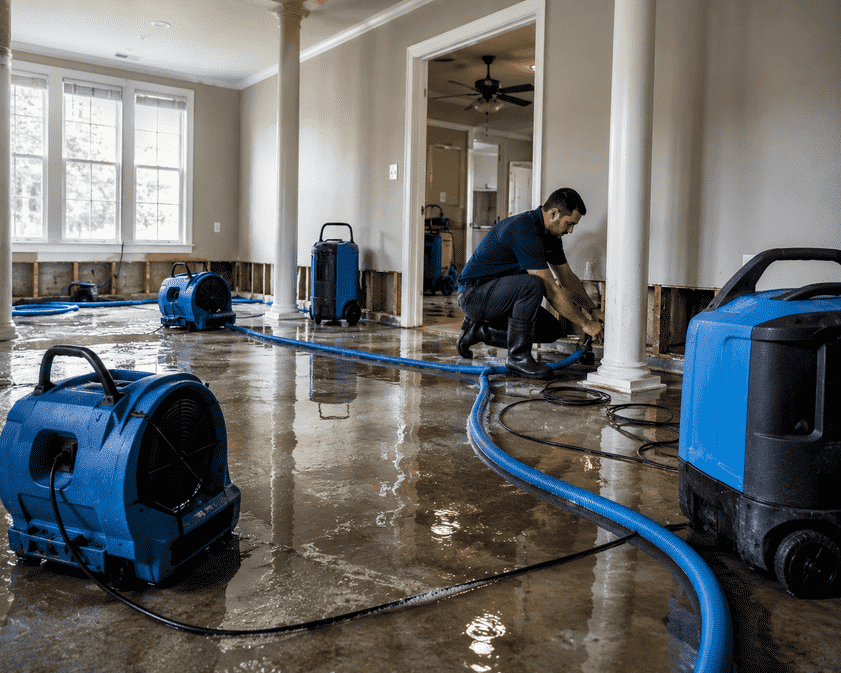
- Air movers (fans) increase air circulation across the surface of the floor. Place them at an angle to create cross‑currents that draw moisture out of crevices.
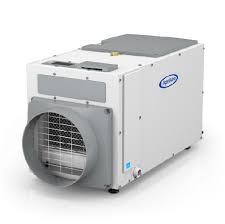
- Dehumidifiers reduce ambient humidity. Maintain indoor relative humidity between 30 and 45 percent to ensure moisture evaporates effectively and doesn’t recondense on the wood.
- Drying mats can be applied if moisture is trapped below the surface. Professionals will tape mats to the floor and connect them to suction hoses and a water‑extraction machine. They monitor moisture content daily to decide when to move the mats.
- Temperature control is important; moderate heat speeds up evaporation. Avoid raising temperature too high, as it can cause boards to dry too fast and crack.
Certified Restoration notes that hardwood flooring moisture can spike to 40 percent after flooding and may remain elevated for weeks. Intensive drying equipment is necessary to draw moisture down to normal levels; the process can take three to seven days depending on exposure. Disaster Kleen notes that repairs are successful 98 percent of the time when done in the first 24–48 hours.
6. Monitor and Assess
Check moisture content daily with a moisture meter. Measure at several points: near the source of water, at the perimeter and in unaffected areas to establish a baseline. When readings drop below 12 percent and remain stable for 24 hours, the floor is typically ready for restoration work like sanding and refinishing.
7. Clean and Disinfect
Once the floor is dry, clean surfaces using a mild detergent and disinfectant to remove contaminants. If water exposure came from grey or blackwater, contact a professional to disinfect thoroughly. Remove any water‑damaged insulation, drywall or cabinets; the EPA warns that wet or moldy ceiling tiles, insulation and drywall should be discarded because porous materials are hard to disinfect.
8. Sand and Refinish or Replace Boards
If boards have slight cupping, sanding can restore an even surface. Wait until moisture has equalised throughout the board to prevent sanding through high spots. Boards that have warped or delaminated will need to be replaced. Matching species, width and finish can be challenging—especially in Cleveland’s historic homes—so contact a flooring specialist if you need replacement.
9. Check the Subfloor and Structural Elements
Inspect the subfloor for moisture. Plywood or OSB subfloors may retain water and swell, causing continued warping if not dried properly. Concrete slabs can hold moisture long after the surface appears dry. Use moisture barriers or sealants if necessary. If the subfloor is compromised or shows mold growth, it may require removal.
10. Take Preventive Measures
After restoration, take steps to prevent future water damage:
- Install water alarms and leak sensors near appliances, water heaters and sump pumps.
- Maintain gutters and downspouts, ensuring they drain away from the foundation. The North Carolina Cooperative Extension advises homeowners to keep gutters and downspouts clean so water doesn’t pool around the foundation—a recommendation equally relevant in Cleveland.
- Monitor indoor humidity with a hygrometer and use dehumidifiers in basements and crawl spaces.
- Seal foundation cracks and maintain sump pumps and back‑water valves to prevent sewer backups. Cleveland’s combined sewer system makes homes vulnerable to sewage intrusion during heavy rain.
- Insulate pipes and maintain consistent indoor temperatures in winter to prevent freezing and bursting.

When Should You Replace the Floor?
While many water‑damaged floors can be restored, certain situations call for replacement:
- Extensive buckling or warping: Boards that have detached from the subfloor cannot be reattached without replacement.
- Delamination in engineered wood: Thin veneers may separate and cannot be repaired.
- Prolonged exposure: Floors that remained wet for several days or weeks are likely contaminated with mold and bacteria. Certified Restoration notes that severe damage and high moisture content often require replacement.
- Blackwater contamination: Sewage and floodwater require removing all affected materials to eliminate pathogens.
- Pre‑existing damage: Worn or rotting floors may not justify costly drying and refinishing.
If replacement is necessary, consider upgrading to water-resistant hardwood or engineered products designed for moisture tolerance. These materials can help mitigate future issues.
Local Considerations for Cleveland Homeowners
Cleveland’s weather and infrastructure create unique challenges for maintaining hardwood floors:
1. Climate and Weather
- Humidity: Summers are muggy, with average July humidity around 70 percent. High humidity slows evaporation and requires powerful dehumidifiers when drying floors.
- Lake‑effect snow and rain: Lake Erie’s influence means heavy snowfalls and rainstorms. Snow melting off roofs can leak into attics and walls, while storms can cause roof leaks or flooding.
- Freeze–thaw cycles: Winter temperatures fluctuate above and below freezing, causing pipes to burst and creating ice dams on roofs.
2. Housing Stock
Many Cleveland homes were built before 1950. These houses often feature hardwood floors over uninsulated basements or crawl spaces. Their plumbing and roofing systems may be outdated, increasing leak risk. Older homes may have multiple layers of flooring or asbestos-containing materials; professional assessment ensures safe removal when necessary.
3. Combined Sewer System
Cleveland’s older neighborhoods rely on combined sewers that carry both wastewater and stormwater. Heavy rainfall can overwhelm these systems, causing backups into basements. If your home has experienced sewer backups, replace flooring and subflooring due to contamination.
4. Insurance and Local Regulations
Homeowners insurance typically covers sudden and accidental water damage (e.g., burst pipe) but excludes flood damage from rising water. Basement flooding in Cleveland often requires separate flood insurance. When in doubt, contact your insurer to understand your coverage. Projects that involve replacing large sections of flooring or subflooring may require permits and should be handled by licensed contractors. In Ohio, there is no statewide contractor licensing for residential repairs, but Cleveland and other municipalities require permits for certain renovations.
5. Trusted Local Expertise
Although many homeowners start by turning on fans and mopping up, professional restoration companies provide specialised equipment and experience. Bee Dry Restoration of Cleveland is one trusted provider offering on‑site restoration services in Cleveland | 24/7 emergency help. They use industrial-grade drying mats, dehumidifiers and moisture‑monitoring tools to salvage floors and other materials.
While Bee Dry is not the only option, their familiarity with Cleveland’s unique climate and housing stock makes them a reliable choice. Always compare multiple providers and ensure they are insured and certified before proceeding.
Frequently Asked Questions
Yes, if addressed quickly. Many floors can be salvaged within 24–48 hours using drying mats and professional drying equipment.
Shut off electricity and the water source. Remove standing water, document damage and call a professional for assessment.
Drying can take 3–7 days using fans, dehumidifiers and drying mats. Moisture must return to around 6–12 percent before refinishing.
Drying mats are effective for clean water incidents caught early, but they cannot fix severe warping, buckling or contamination.
Insurance typically covers sudden water damage but may exclude flood or sewer backups. Contact your provider to confirm.
If boards are buckling, delaminating, or remain saturated after drying efforts, or if contamination is present, replacement is recommended.
Hardwood floors add warmth and value to Cleveland homes, but when water strikes, quick action and knowledge are essential. By understanding how moisture affects wood, recognizing signs of salvage versus replacement and acting within the crucial 24–48 hour window, you can often save your floors. Drying mats, dehumidifiers and professional monitoring help draw out water and restore moisture levels.
However, severe warping, long exposure or contamination require replacement to protect your family’s health and your home’s structure. If disaster strikes, document the damage, start drying immediately and call a trusted local expert. Bee Dry Restoration of Cleveland provides on‑site restoration services in Cleveland | 24/7 emergency help and uses advanced equipment to salvage hardwood floors whenever possible. Don’t let water ruin your home’s beauty—act quickly, choose qualified professionals, and restore your floors with confidence.
Need help after a leak or flood?
Contact Bee Dry Cleveland today for a free floor inspection and expert water damage restoration.
Need a plumber? Call our partners at +1(800)-Plumber!