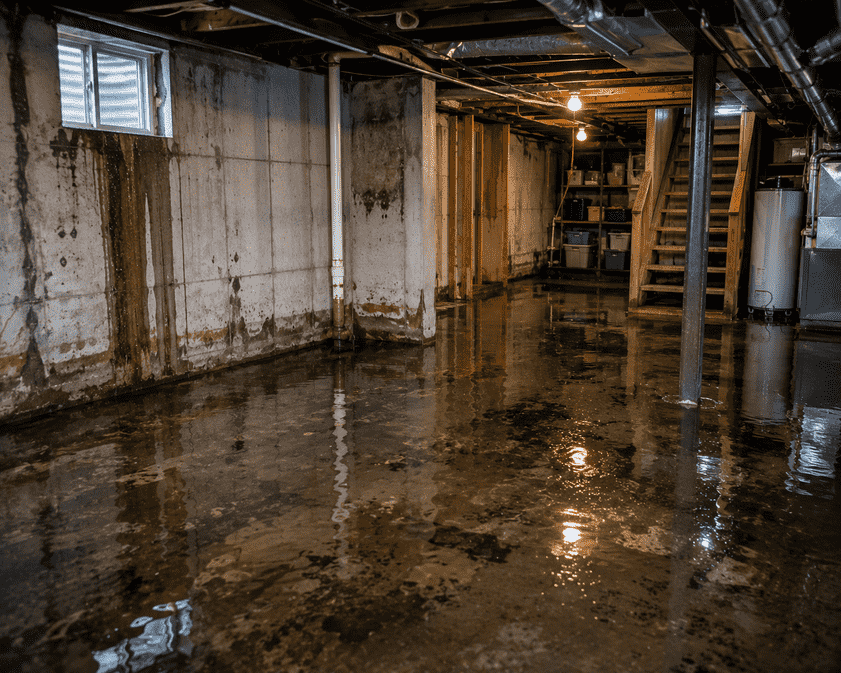
Sometimes water damage starts with something small. A damp basement corner. A stain on the ceiling. A musty smell after a storm that does not go away. Most homeowners clean it up, dry the area, and hope the problem is solved.
The problem is that water damage often spreads where you cannot see it. Moisture can stay trapped behind walls, under floors, and inside insulation long after surfaces look dry. Over time, this can lead to mold, structural damage, and expensive repairs.
The sooner the problem is handled, the easier and less expensive it usually is to fix. Bee Dry Restoration of Cleveland helps homeowners find hidden moisture, stop the damage, and restore the property before things get worse.
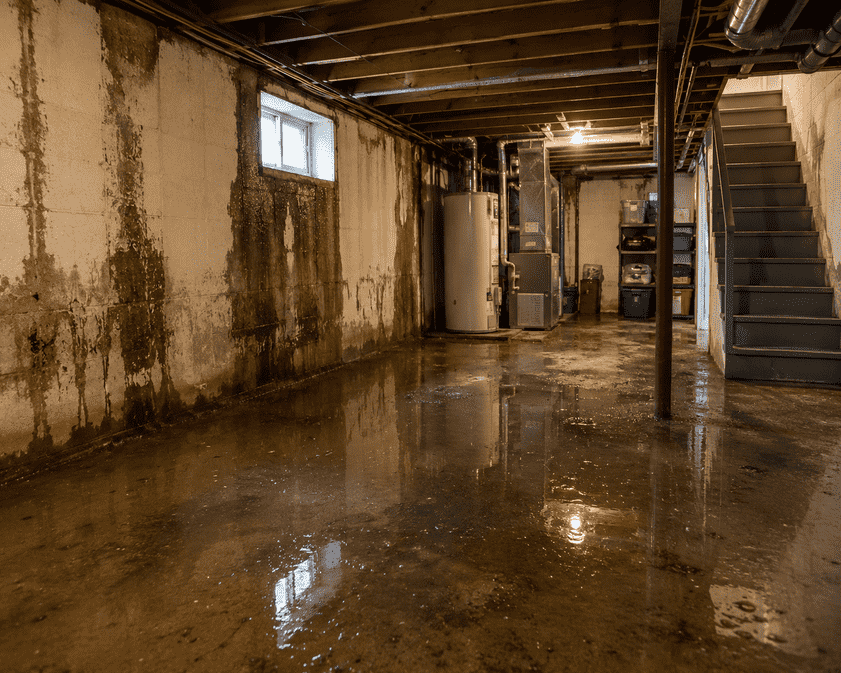
Why Waiting Makes It Worse
The First 24 to 48 Hours
Moisture spreads into walls, flooring, and insulation.
Paint bubbles and flooring starts warping.
Electrical risks increase.
Days 3 to 7
Mold growth and odors begin developing.
Drywall and subfloors start weakening.
Metal surfaces may begin rusting.
Weeks to Months
Structural rot spreads through the property.
Damp areas attract pests and insects.
Repair costs and insurance issues increase.
Common Ways Water Sneaks In
- Roof and flashing leaks especially around chimneys, valleys, and skylights.
- Gutters/downspouts and grading that dump water near the foundation.
- Foundation seepage from hydrostatic pressure, cracks, or failed waterproofing.
- Sump pump failure or power outage during storms.
- Sewer backups and contaminated “black” water events.
- Frozen/burst pipes in rim joists, crawl spaces, or exterior walls.
- Appliance and fixture failures (washer hoses, water heaters, dishwasher seals).
- HVAC condensate clogs that overflow pans into ceilings.
Why Water Damage Should Never Be Ignored
Water damage rarely stays in one place. What starts as a small leak or damp area can quickly spread into walls, flooring, and insulation. The longer moisture sits, the more damage it causes behind the scenes.
1. Mold and Mildew Growth
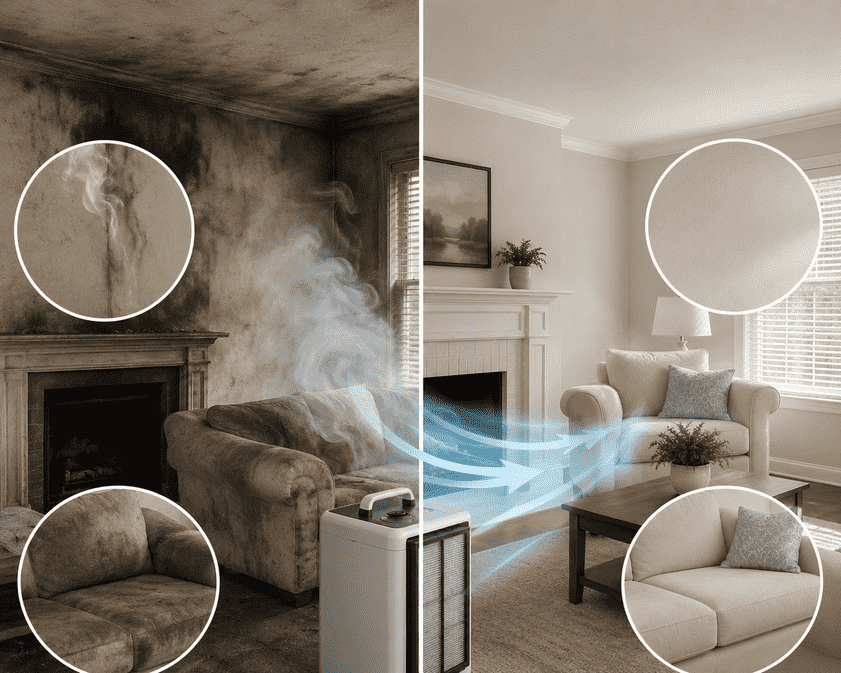
Mold grows fast when moisture is left untreated. After a pipe leak, roof leak, or flood, damp materials like drywall, wood, and carpet create the perfect environment for mold growth. In many cases, mold can begin spreading within 24 to 48 hours.
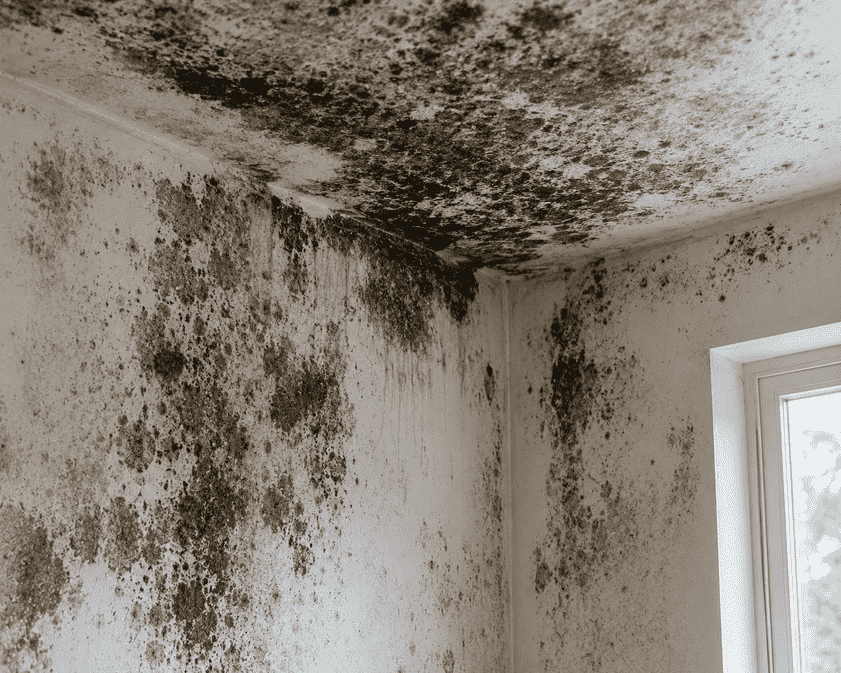
Common problem areas include:
behind walls
under flooring
inside cabinets
crawl spaces and basements
Mold spores can affect indoor air quality and may trigger coughing, allergies, asthma symptoms, and strong musty odors. Once mold spreads, cleanup becomes more difficult and expensive. Ignoring water damage often turns a small moisture issue into a larger mold remediation project.
Water damage affects more than what you can see on the surface. As moisture spreads through the property, it can weaken materials, create safety hazards, and lead to much bigger repairs over time.
2. Structural Damage and Rot
Water slowly breaks down wood, drywall, and other building materials. Floors may begin to warp, drywall can soften, and wood framing may start to rot. In severe cases, homeowners notice sagging ceilings, soft spots in floors, or cracked walls.
Hardwood flooring is especially vulnerable after flooding because trapped moisture continues spreading beneath the surface. The longer materials stay wet, the higher the risk of mold growth and structural weakening.
3. Electrical Hazards and Fire Risk
Water and electricity are a dangerous combination. Moisture inside walls or flooring can reach outlets, wiring, and breaker panels, increasing the risk of electrical shorts and fire hazards.
Warning signs may include:
- flickering lights
- tripped breakers
- buzzing outlets
- burning smells
If water reaches electrical systems, shut off power to the affected area and contact a professional immediately.
4. Pest Infestations
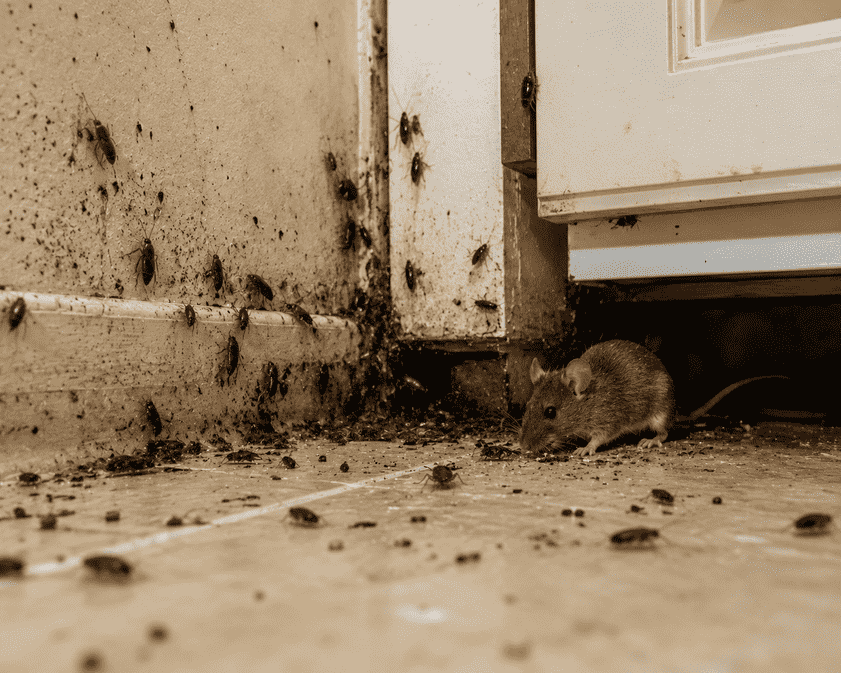
Damp areas attract pests like termites, carpenter ants, cockroaches, and rodents. Wet wood and hidden moisture create ideal conditions for infestations, especially in basements, crawl spaces, and wall cavities.
These pests can damage insulation, wood framing, and even electrical wiring, adding another layer of repair costs.
5. Health Risks and Contamination
Standing water and damp materials can quickly become contaminated with bacteria and other harmful microorganisms. Sewage backups and floodwater are especially dangerous because they may contain harmful pathogens.
Moisture problems can also affect indoor air quality and trigger:
- allergies
- respiratory irritation
- asthma symptoms
- strong musty odors
Children, older adults, and people with weakened immune systems are often more sensitive to these conditions.
6. Repair Costs Rise Quickly
Water damage becomes more expensive the longer it sits. A small repair today can turn into major reconstruction if moisture spreads into flooring, insulation, drywall, or structural framing.
Fast water removal and structural drying help reduce:
- repair costs
- mold growth
- material replacement
- long-term property damage
Quick action also improves the chances of saving flooring, walls, and other materials before permanent damage occurs.
What Homeowners Can Try First
Make the Area Safe: Shut off power if safe and keep people away from wet areas.
Stop the Water Source: Shut off the main water supply and prevent additional water from spreading.
Remove Standing Water: Use towels or a wet/dry vacuum to remove clean standing water quickly.
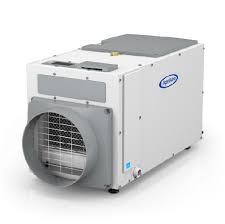
Start Drying: Run dehumidifiers and airflow to reduce trapped moisture.
Document Everything: Take photos and save records for insurance claims.
When DIY Is Not Enough
Call a professional if water reaches walls, flooring, insulation, or mold and odors begin developing.
When Drying Mats Work and When They Don’t
Hardwood floors can absorb water quickly after leaks or flooding, but fast drying can sometimes prevent permanent damage. One of the most effective tools restoration companies use is a hardwood floor drying mat system.
How Drying Mats Work
Drying mats connect to specialized suction equipment that pulls trapped moisture out from hardwood flooring. The mats are placed directly over wet boards to help speed up the drying process and reduce further damage.
When Drying Mats Work Best
Recent Water Damage: Drying mats are most effective within the first 24 to 48 hours.
Moderate Moisture Levels: Floors with limited moisture absorption are often easier to save.
Minor Cupping: Slightly warped boards may flatten during the drying process if the wood is still structurally stable.
When Drying Mats May Not Be Enough
Delayed Cleanup: Long-term moisture exposure can permanently damage hardwood flooring.
Severe Saturation: Heavily soaked floors and subflooring may require replacement.
Contaminated Water: Sewage or floodwater usually requires removal of affected materials.
Structural Damage: Damaged subfloors or support materials often need repairs beyond surface drying.
Professional restoration companies use moisture meters and thermal imaging to determine whether hardwood flooring can be saved or if replacement is the safer option.
Long-Term Consequences of Ignoring Water Damage
Compromised Structural Integrity: Water weakens wood, drywall, and flooring over time, causing warping, sagging, and hidden rot.
Extensive Mold Growth: Damp materials create ideal conditions for mold growth behind walls, under flooring, and inside insulation.
Reduced Property Value: Water stains, odors, and damaged materials can lower property value and raise concerns during inspections.
Pest Infestations: Damp areas attract termites, rodents, and insects that can cause additional damage.
Health Risks: Mold, bacteria, and contaminated water can trigger allergies, respiratory issues, and poor indoor air quality.
Higher Repair Costs: Small water problems often turn into expensive repairs when moisture spreads through the property.
Prevention Tips and Regular Maintenance
Preventing water damage is usually much easier and less expensive than repairing it later. Regular maintenance and quick preparation can help protect your home from leaks, flooding, and moisture problems.
Inspect Your Roof: Replace damaged shingles and check flashing around vents and chimneys after storms.
Clean Gutters and Downspouts: Keep gutters clear and direct water away from the foundation.
Check Plumbing Regularly: Look for pipe leaks, corrosion, and dripping fixtures, especially in older homes.
Protect Basements and Crawl Spaces: Use dehumidifiers, seal foundation cracks, and install a sump pump with battery backup.
Maintain HVAC Systems: Clean filters and inspect condensation lines to prevent overflow and moisture buildup.
Prepare for Winter Weather: Insulate exposed pipes and remove heavy snow or ice buildup from the roof.
Reduce Flooding Risks: Grade soil away from the home and test sump pumps before heavy rain arrives.
Know Emergency Shutoffs: Make sure everyone knows where the water shutoff and breaker panel are located.
Keep Emergency Supplies Ready: Fans, tarps, wet/dry vacuums, and dehumidifiers can help during early cleanup.
Have a Restoration Company Ready: Working with Bee Dry Restoration of Cleveland gives homeowners fast access to emergency water damage restoration when problems happen.
The Role of Professional Restoration Services
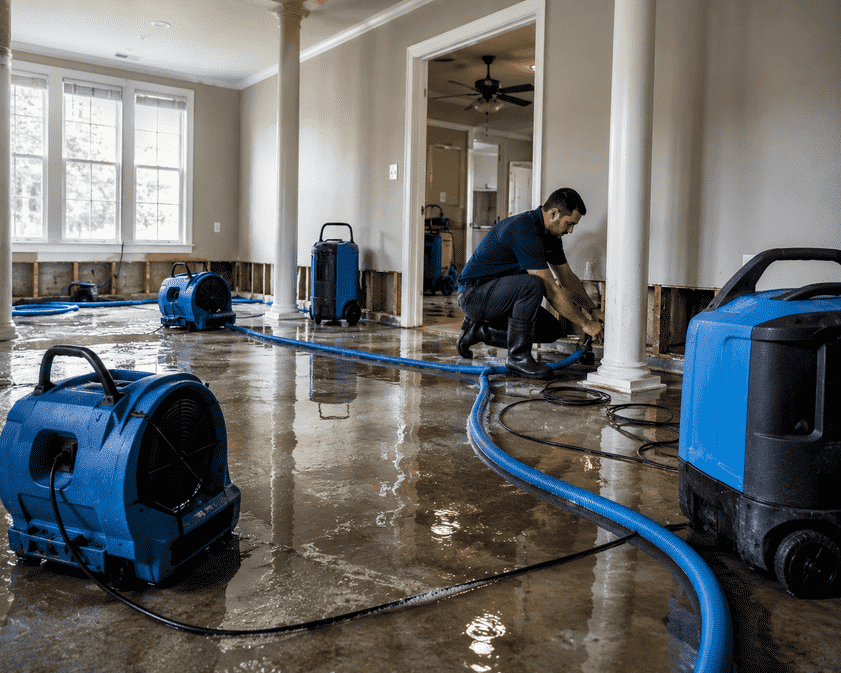
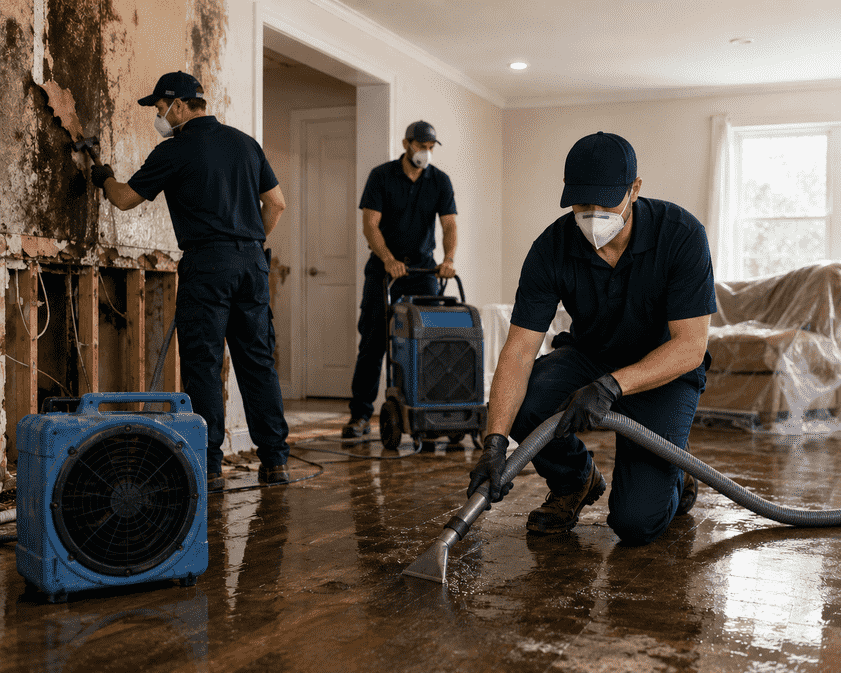
Professional restoration companies have equipment and training that most homeowners do not. Fast response and proper drying help reduce long-term damage and mold growth.
Water Extraction: High-powered equipment removes standing water quickly.
Moisture Detection: Moisture meters and thermal imaging help locate hidden water behind walls and flooring.
Structural Drying: Commercial dehumidifiers, air movers, and drying systems reduce trapped moisture.
Mold Remediation: Professionals safely remove mold and treat affected areas to help prevent regrowth.
Structural Repairs: Damaged drywall, flooring, subfloors, and framing can be repaired or replaced.
Insurance Support: Restoration companies document damage and help during the claims process.
Working with a local company also matters. Bee Dry Restoration of Cleveland understands Northeast Ohio weather, older homes, basement flooding issues, and common water damage problems throughout the area.
What Happens If You Ignore Water Damage? The Bottom Line
Water damage rarely stays small for long. Moisture spreads behind walls, under flooring, and into structural materials, leading to bigger repairs and higher costs over time.
Fast action helps limit the damage. Proper water extraction, structural drying, and moisture detection can prevent mold growth and long-term issues.
Bee Dry Restoration of Cleveland provides fast inspections and emergency restoration services throughout Northeast Ohio. Our team identifies the source, explains the damage, and creates a clear restoration plan to help get your home back to normal.